
Beautiful Plants For Your Interior
Beautiful Plants For Your Interior
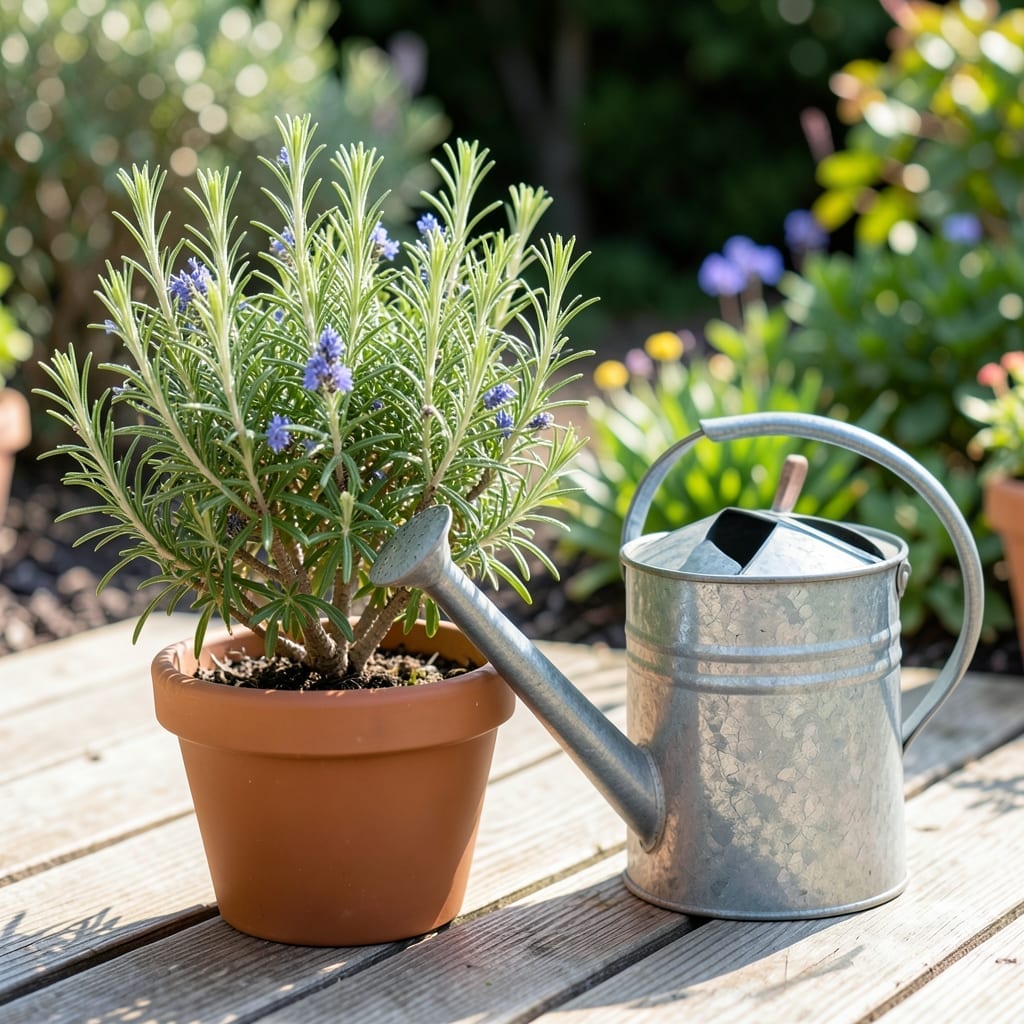
Overwatering is the number one killer of rosemary, yet many gardeners still get it wrong. This hardy 🌿 Rosemary thrives on neglect, but nailing the right water balance is key.
Originating from the dry Mediterranean, it prefers well-draining soil and can handle drought better than soggy roots. The trick is learning to read its subtle cues.
I’ll show you exactly how to water Rosemary for vibrant growth without the guesswork. Let’s turn your plant into that fragrant garden centerpiece you’ve always wanted.
As a Mediterranean native, rosemary thrives in dry conditions and despises soggy roots. Its watering needs change with the seasons, so I adjust my approach to match its natural rhythm.
In spring and fall, I water my rosemary every 7-10 days, allowing the soil to dry out completely between sessions. This mimics its native habitat’s seasonal moisture patterns.
| Season | Frequency | Amount | Notes |
|---|---|---|---|
| Spring | Every 7-10 days | Deep soak | New growth period |
| Summer | Every 10-14 days | Deep soak | Check soil moisture |
| Fall | Every 2 weeks | Moderate | Reduce as temps drop |
| Winter | Monthly | Light | Dormant period |
During summer’s heat, I extend the interval to 10-14 days, but I always check the soil first. If the top 2-3 inches are dry, it’s time to water deeply.
I’ve learned that well-draining soil is non-negotiable for rosemary. Sandy or loamy mixes work best, as they prevent water from pooling around the roots, which can lead to root rot.
For container-grown rosemary, the rules change slightly. These dry out faster, so I check them every 5-7 days in warm weather, always ensuring the pot has drainage holes.
The finger test is my go-to method: I stick my finger into the soil up to the second knuckle. If it feels dry, it’s watering time. If there’s any moisture, I wait.
I always water in the early morning to give the plant time to absorb moisture before the heat of the day. This also helps prevent fungal diseases that can develop with evening watering.
Remember, rosemary is drought-tolerant once established. It’s far better to underwater than overwater this resilient herb. When in doubt, wait an extra day or two.
In winter, I barely water at all—just enough to keep the soil from completely drying out. The plant is dormant, so it needs very little moisture during this time.
By following this seasonal schedule and paying attention to your plant’s specific needs, you’ll find rosemary is one of the easiest herbs to maintain in your garden. 🌿
Your rosemary plant will show clear signs when its water needs aren’t met. I’ve learned to watch for yellowing leaves or drooping stems, which often mean it’s getting too much water.
On the other hand, brown crispy tips or wilting foliage usually indicate it’s thirsty. The key is catching these signs early before they become serious problems.
For overwatered rosemary, I immediately stop watering and check the roots. If they’re dark and mushy, I trim the affected parts and repot in fresh dry soil to save the plant.
When I spot underwatering signs, I give the plant a deep watering until water runs out the drainage holes. Then I adjust my schedule to water a bit more frequently.
I’ve found that container plants show stress faster than in-ground ones. Their limited soil dries out quickly, but also gets waterlogged easily if drainage isn’t perfect.
The soil test is my best tool for confirmation. For overwatering, the soil stays wet days after watering. For underwatering, it’s bone dry several inches down.
Remember, rosemary is forgiving and often recovers quickly once you adjust your watering approach. 🌿