
Beautiful Plants For Your Interior
Beautiful Plants For Your Interior
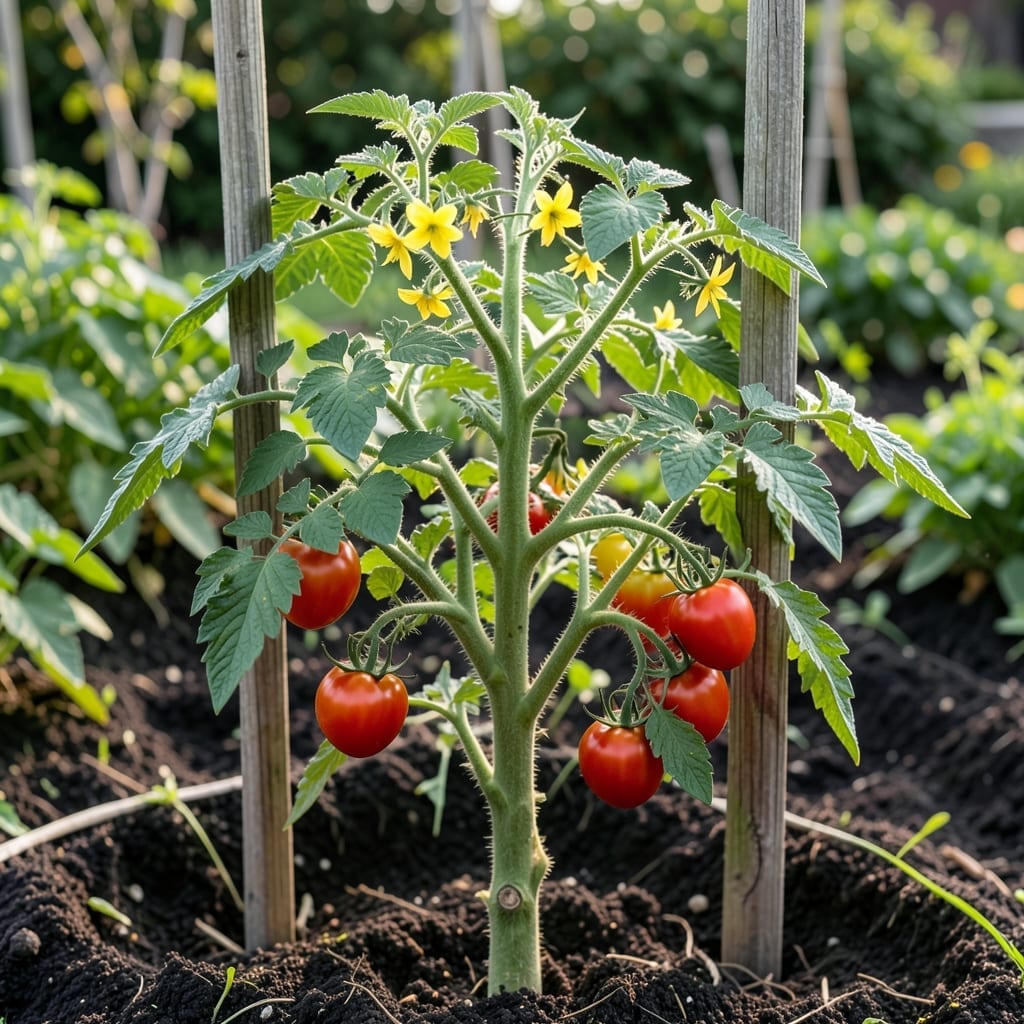
Nothing beats the taste of homegrown 🍅 Tomato plants, but their success hinges on one critical factor: sunlight. Get this wrong, and you’ll end up with sparse foliage or poor fruit production.
I’ve seen gardeners struggle with leggy stems and lackluster harvests, all because their plants weren’t getting enough light. The good news? Fixing this is simpler than you think.
Discover the ideal daily sun requirements for thriving Tomato plants and how to adjust for your garden’s unique conditions. Let’s make this season your most productive yet.

I’ve learned that tomato plants thrive with 6-8 hours of direct sunlight daily. This isn’t just a suggestion—it’s a necessity for robust growth and bountiful harvests. Without enough light, your plants will struggle to produce fruit.
Different tomato varieties have slightly varying needs. Cherry tomatoes can manage with 6 hours of sun, while larger beefsteak or heirloom types demand 8+ hours for optimal sugar development and fruit size.☀️
| Variety | Daily Sun Needs | Notes |
| Cherry Tomatoes | 6-8 hours | Tolerates slightly less sun |
| Beefsteak | 8+ hours | Needs full sun for size |
| Heirloom | 8+ hours | Maximizes flavor and yield |
| Determinate | 6-8 hours | Good for containers |
| Indeterminate | 8+ hours | Best for large, vining plants |
In my experience, indeterminate varieties like ‘Sungold’ or ‘Brandywine’ perform best with full sun exposure. These vining plants grow continuously and need ample light to sustain their vigorous growth and fruit production.
Determinate tomatoes, such as ‘Roma’ or ‘Celebrity’, are a bit more forgiving. They can produce a decent crop with 6 hours of sun, making them ideal for gardens with partial shade or container growers with limited space.
Don’t overlook the growth stages. Seedlings need 12-16 hours of light indoors to prevent legginess. Once transplanted, consistent sunlight ensures strong stems and healthy foliage, which are crucial for supporting fruit development.
Sunlight affects flavor too. Tomatoes grown in full sun develop higher sugar content, resulting in sweeter, more flavorful fruit. If your garden gets intense afternoon sun, consider providing light shade during the hottest part of the day to prevent sunscald.
For those in hotter climates, morning sun is ideal. It provides the energy needed for photosynthesis without the risk of heat stress. In cooler regions, maximize sun exposure by planting in the sunniest spot available and using reflective mulches to bounce light onto the plants.
If you’re growing in containers, place them where they can follow the sun throughout the day. A south-facing balcony or patio is perfect. Rotate pots regularly to ensure even growth and prevent plants from leaning toward the light.
Remember, sunlight needs can vary based on your specific microclimate. Observe your plants daily—healthy leaves and steady fruit set are good indicators you’re meeting their light requirements.🌱
I’ve noticed that tomato plants without enough light often develop leggy stems and pale leaves. These are classic signs your plants are stretching for more sun, which weakens their structure and reduces fruit production.
Another red flag is slow fruiting or smaller-than-expected tomatoes. If your plants flower but fail to set fruit, or the tomatoes stay tiny, they’re likely starving for sunlight. This happens because photosynthesis slows down without adequate light.
Your tomatoes may suffer from leggy growth, pale leaves, or poor fruiting if they don’t receive enough daily sunlight.
To fix this, I recommend relocating potted tomatoes to sunnier spots. If they’re in the ground, consider pruning nearby plants that cast shade or using reflective mulches to bounce extra light onto the foliage.
Another trick I use is thinning out dense foliage to improve air circulation and light penetration. This is especially helpful for bushy determinate varieties that can get crowded. Just be careful not to remove too many leaves, as they’re essential for photosynthesis.
Container growers have an advantage here. You can move pots to follow the sun throughout the day. A west-facing balcony might get intense afternoon sun, while an east-facing spot offers gentler morning light.
If you’re stuck with partial shade, focus on shade-tolerant varieties like ‘Stupice’ or ‘Siberian’. These can produce decently with 4-6 hours of sun, though yields will still be lower than in full sun.
Remember, even sun-loving tomatoes need protection from extreme heat. In scorching climates, a bit of afternoon shade can prevent sunscald on fruits while still meeting their light needs.🌱