
Beautiful Plants For Your Interior
Beautiful Plants For Your Interior
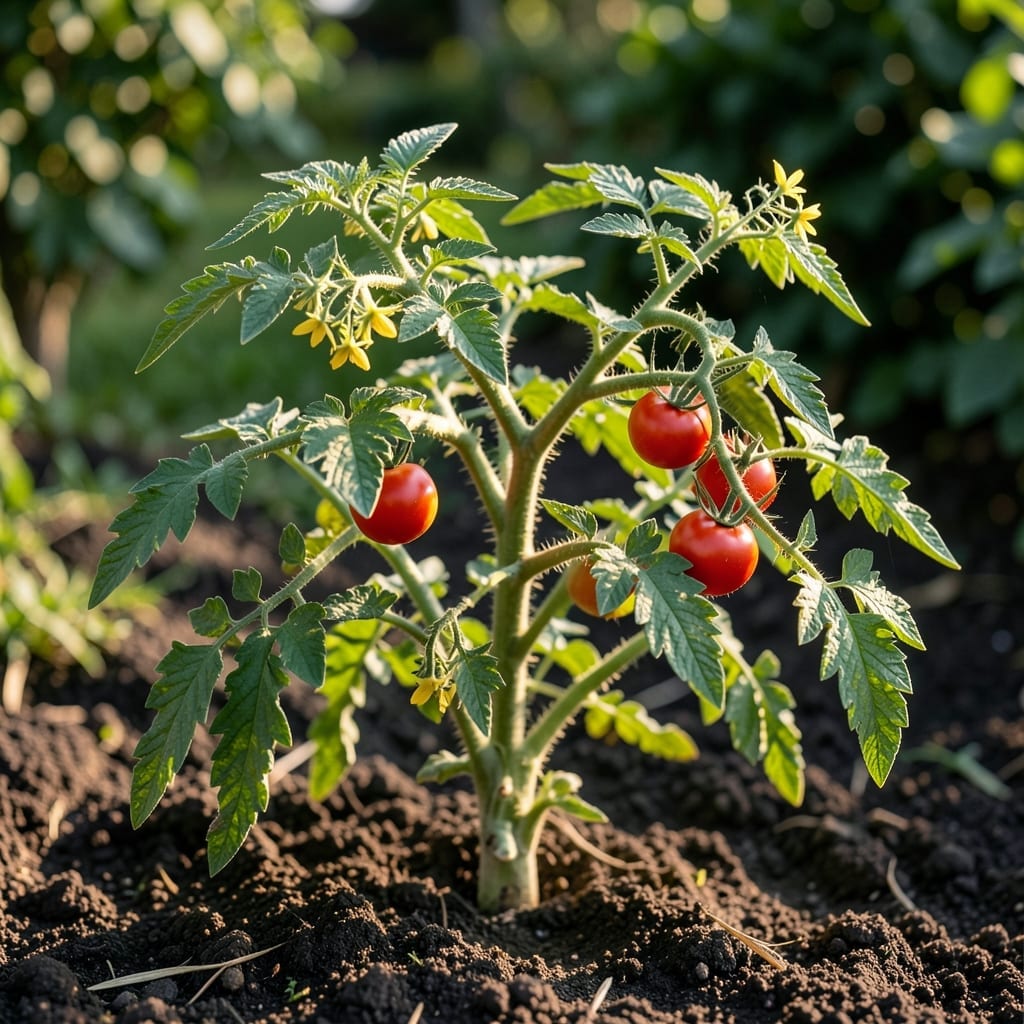
I’ve seen too many gardeners struggle with weak, spindly Tomato plants that never produce. The issue often comes down to one simple factor: sunlight. Getting this wrong can mean the difference between a bountiful harvest and a disappointing season.
Whether you’re growing in containers or a garden bed, understanding light needs is crucial. Even the healthiest soil won’t compensate for poor sun exposure.
Discover how to give your 🍅 plants exactly what they need to thrive. I’ll show you the ideal daily sunlight requirements and how to spot when your plants aren’t getting enough.

I always tell gardeners that sunlight is the secret ingredient for juicy, flavorful tomatoes. While most varieties need plenty of sun, the exact amount can vary. Getting this right ensures strong stems and abundant fruit production.
In my experience, 6-8 hours of direct sun is ideal for most tomatoes. However, cherry tomatoes can thrive with slightly less, while beefsteak varieties often demand more for their large fruits.
| Tomato Variety | Minimum Sun | Ideal Sun |
|---|---|---|
| Cherry Tomatoes | 4-6 hours | 6-8 hours |
| Heirloom Tomatoes | 6 hours | 8+ hours |
| Beefsteak Tomatoes | 6 hours | 8-10 hours |
| Roma Tomatoes | 5-6 hours | 7-8 hours |
Sunlight directly impacts your tomato’s sugar content and fruit size. More sun typically means sweeter tomatoes with thicker walls. I’ve noticed my south-facing plants always outperform those in partial shade.
For container gardeners, balcony placement matters. I recommend west or south-facing spots for maximum exposure. Even a few extra hours can make a noticeable difference in yield.
Morning sun is particularly valuable as it dries dew quickly, reducing fungal disease risk. I always prioritize east-facing locations when afternoon shade is unavoidable.
If you’re growing indeterminate varieties, they’ll need more sun to support their continuous growth. My ‘Sungold’ cherry tomatoes produce best with full sun all day long.
Determinate tomatoes, like many Roma varieties, can tolerate slightly less sun. But I still aim for at least 6 hours for consistent fruit production and plant health.
Remember that sun intensity varies by region. In hotter climates, afternoon shade can actually prevent sunscald on fruits. I use shade cloth during peak hours in my Zone 9 garden.
For best results, observe your garden’s sun patterns before planting. I track sunlight with a simple app to ensure I’m placing my tomatoes in the optimal spot each season.
I’ve seen firsthand how sun-starved tomatoes struggle to thrive. Leggy stems and pale leaves are the first red flags. These plants stretch toward light, becoming weak and top-heavy.
Another clear sign is poor flowering. Without adequate sun, your plants may produce fewer blooms or drop flowers before they set fruit. This directly impacts your harvest.
⚠️ Sun Deprivation Warning Signs
Watch for yellowing leaves, slow growth, and small fruits. These indicate your tomatoes need more light exposure to produce well.
Leaf yellowing often starts on the lower leaves first. This happens because the plant can’t photosynthesize enough to sustain all its foliage. I check my plants weekly for this telltale sign.
You might also notice thinning stems that can’t support the plant’s weight. In severe cases, the plant may stop growing altogether. I’ve rescued many tomatoes by simply moving them to a sunnier spot.
For container tomatoes, uneven growth is common. One side may grow toward the light while the other remains stunted. I rotate my pots every few days to ensure even exposure.
If you see these signs, act quickly. Relocate plants to a sunnier area or prune nearby shade. Even an extra 2-3 hours of sun can make a dramatic difference in your tomato’s health and productivity.
Remember that indoor tomatoes need even more attention. I use grow lights to supplement natural light for my windowsill plants. Without this, they’ll never reach their full potential.