
Beautiful Plants For Your Interior
Beautiful Plants For Your Interior
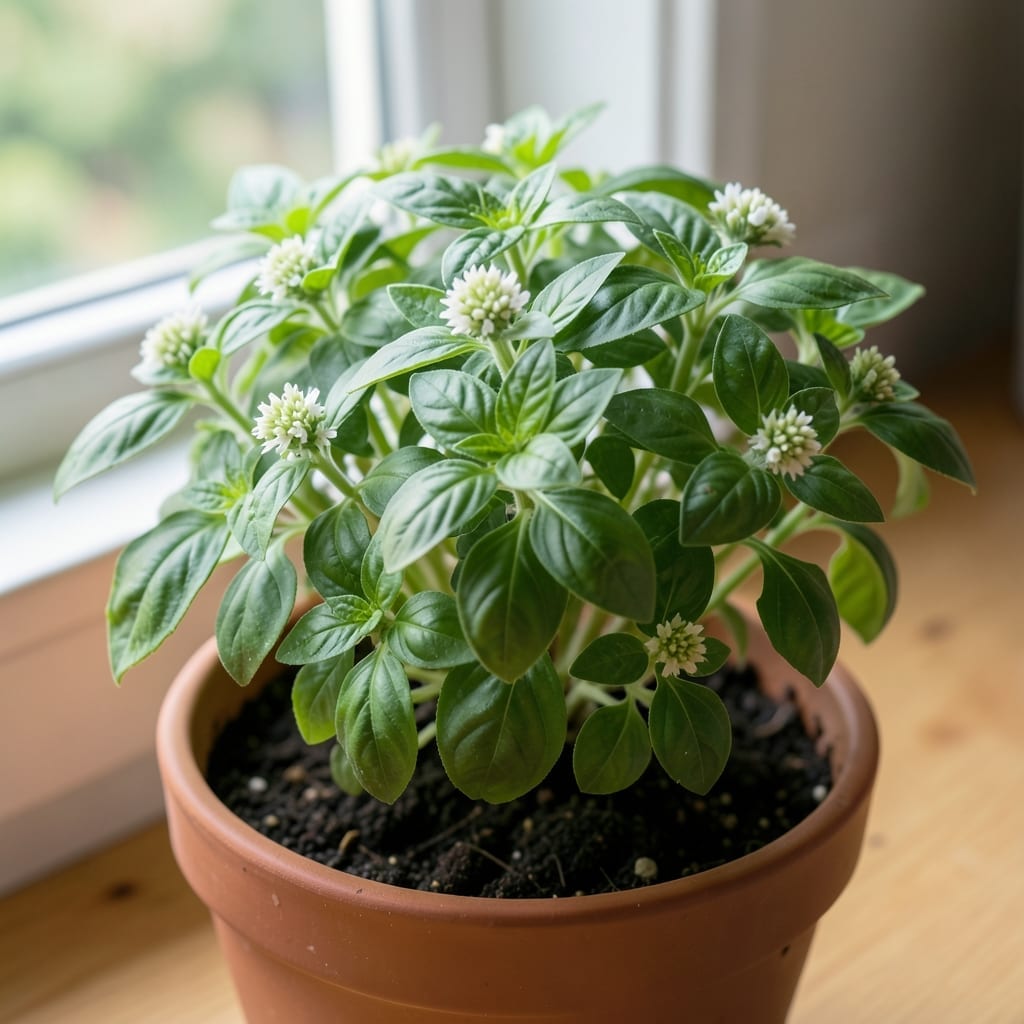
There’s nothing quite like the aroma of fresh 🌿 Basil wafting through your kitchen. But to get that perfect flavor, your plants need just the right amount of sunlight.
Too much can scorch the leaves, while too little leaves you with weak, leggy stems. I’ve learned through trial and error that finding that sweet spot makes all the difference.
Discover how to give your Basil the ideal light conditions, whether you’re growing it on a sunny windowsill or in your backyard garden. Let’s get it right.

If you want healthy basil plants, sunlight is non-negotiable. I’ve found that 6 to 8 hours of direct sunlight daily is the sweet spot for most varieties. This ensures robust growth and that rich, aromatic flavor we all love. ☀️
Different types of basil have slightly varying needs. Sweet basil thrives in full sun, while Thai basil can tolerate a bit more shade. Still, aim for that 6-hour minimum to avoid weak, leggy stems. Without enough light, your plants won’t reach their full potential.
| Requirement | Specification |
|---|---|
| Daily Sunlight | 6-8 hours direct sun |
| Light Type | Direct sunlight |
| Sweet Basil | Full sun preferred |
| Thai Basil | Tolerates partial shade |
| Indoor Light | South-facing window ideal |
In my experience, morning sunlight is gentler and less likely to scorch leaves compared to harsh afternoon rays. If you’re growing basil in hotter climates, consider providing some afternoon shade to prevent wilting. Watch for yellowing leaves or crispy edges—these are signs of too much sun. ☀️
For indoor basil, a south-facing window is your best bet. If natural light is limited, supplement with grow lights for 12-14 hours a day. I’ve had great success with LED grow lights placed 6-12 inches above the plants. This mimics the intensity of direct sunlight.
Seasonal adjustments matter too. In spring and fall, your basil can handle full sun all day. But during the peak of summer, especially in zones with intense heat, a bit of shade during the hottest part of the day can prevent stress. I like to use shade cloth with 30-40% coverage for my outdoor pots. 🌿
Leggy growth and small leaves are classic signs your basil isn’t getting enough light. If you notice these issues, move your plants to a sunnier spot or add supplemental lighting. On the flip side, if leaves look bleached or brown, your basil might be getting too much direct sun.
Container gardening offers flexibility. You can move your potted basil to follow the sun throughout the day. On my patio, I rotate my containers every few days to ensure even growth. This is especially helpful if one side of your space gets more light than the other.
Remember, consistency is key. Basil doesn’t respond well to sudden changes in light conditions. If you’re moving plants from indoors to outdoors, do it gradually over a week to avoid shocking them. This process, called hardening off, helps your basil adapt to its new environment.
Finally, don’t forget that watering needs change with light exposure. Basil in full sun will dry out faster and need more frequent watering. I check the soil daily in summer, ensuring it stays moist but not soggy. A good rule of thumb is to water when the top inch of soil feels dry. 💧
Managing sunlight is crucial for healthy basil plants. I’ve learned that shade cloth with 30-40% coverage works wonders in hot climates. It prevents leaf scorch while still allowing enough light for growth. Without this, afternoon sun can wilt your plants quickly. ☀️
For indoor basil, a south-facing window is ideal, but west-facing windows can work too. If your space lacks natural light, grow lights for 12-14 hours daily are a great supplement. I place mine 6-12 inches above the plants for best results.
Warning: Too much direct sun can bleach leaves or cause brown edges. In extreme heat, basil may wilt or develop bitter flavors. Always monitor your plants for stress signs.
If your basil gets leggy growth and small leaves, it’s begging for more light. Move pots to a sunnier spot or add artificial lighting. I’ve rescued many struggling plants this way. On the flip side, yellowing leaves often signal too much shade. 🌿
Container gardening offers flexibility. I rotate my potted basil every few days to ensure even exposure. This is especially useful on patios where light isn’t uniform. For garden beds, plant basil where it gets morning sun and afternoon shade in hotter zones.
Hardening off is essential when moving plants outdoors. Gradually increase sun exposure over a week to prevent shock. I start with 1-2 hours of morning sun, then slowly increase. This process helps basil adapt to stronger outdoor light.
Remember that watering needs change with light exposure. Basil in full sun dries out faster. I check soil daily in summer, watering when the top inch feels dry. Consistency in both light and water prevents stress and keeps plants thriving. 💧