
Beautiful Plants For Your Interior
Beautiful Plants For Your Interior
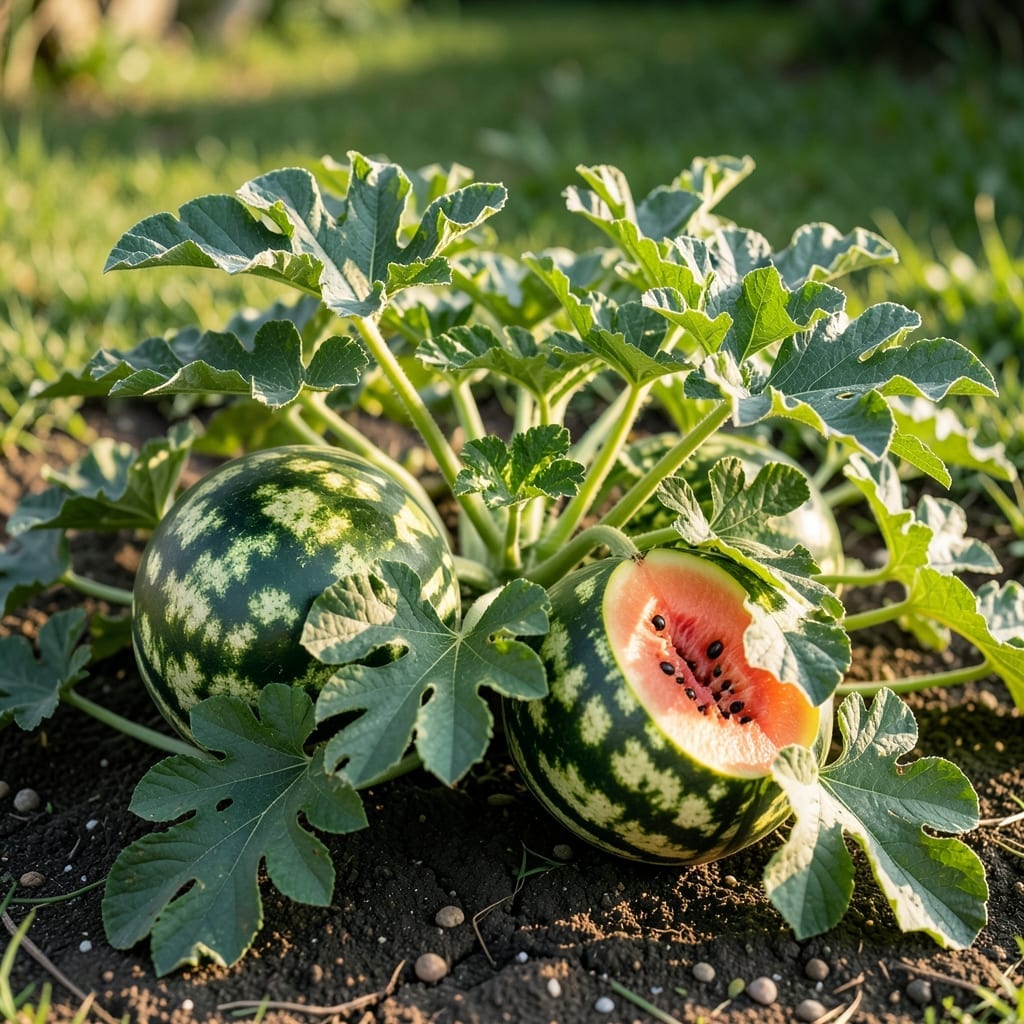
Growing juicy, sweet 🍉 Watermelon starts with one crucial factor: sunlight. Without the right amount, your plants may struggle to produce fruit, no matter how well you tend to them.
I’ve seen gardeners pour effort into watering and fertilizing, only to end up with lackluster results. The truth is, light exposure often makes the biggest difference in your harvest.
Let me walk you through what Watermelon needs to thrive and how to spot the signs when it’s not getting enough. You’ll be surprised how simple the fix can be.

If you want sweet, juicy watermelons, sunlight is non-negotiable. These vining plants thrive on full sun exposure, and anything less can lead to disappointing results. I’ve learned the hard way that even partial shade can stunt growth.
Watermelons need 8+ hours of direct sunlight daily to reach their full potential. This isn’t just a suggestion—it’s a requirement for fruit development and sugar accumulation. Less light means smaller, less flavorful melons.
| Requirement | Specification |
|---|---|
| Light Level | Full Sun |
| Daily Hours | 8+ hours |
| Light Type | Direct Sunlight |
| Best Window | South-Facing |
| Ideal Time | 8 AM – 6 PM |
During the germination stage, watermelon seeds need warmth and light to sprout. I recommend starting seeds indoors near a sunny window or using grow lights to ensure they get enough exposure early on.
Once transplanted outdoors, choose the sunniest spot in your garden. Avoid areas with tree shade or tall structures that might block light. Remember, watermelons are not shade-tolerant plants.
In hotter climates, a bit of afternoon shade can prevent scorching, but this is only an exception, not the rule. In most regions, full sun all day is ideal for maximizing fruit size and sweetness.
If you’re growing in containers, place them where they’ll get uninterrupted sunlight. Balconies or patios with southern exposure work best. I’ve had success with container-grown watermelons on my sunny deck.
Don’t forget that light intensity matters too. Weak, filtered light won’t cut it. Your plants need bright, direct sunlight to photosynthesize efficiently and produce those sugars that make watermelons so delicious.
For the best results, monitor your garden’s sunlight patterns before planting. Use a sunlight calculator app or simply observe how the sun moves across your yard. This small step can make a big difference in your harvest.
☀️Finally, remember that consistent sunlight is key throughout the growing season. From planting to harvest, your watermelons will rely on that steady light to thrive. With the right exposure, you’ll be rewarded with plump, sweet fruits all summer long.
🌱Even with the best intentions, your watermelons might not be getting the light they need. I’ve found that plants often show clear signs when they’re sunlight-deprived, and catching these early can save your harvest.
One of the first things I notice is yellowing leaves, especially on the lower parts of the plant. This is often a sign of chlorosis, where the plant struggles to produce chlorophyll without enough light.
⚠️ Warning: Watermelons with stunted growth or small leaves are likely starved for sunlight. These plants will produce fewer, smaller fruits—if any at all.
Another red flag is long, leggy vines with sparse foliage. This is the plant’s desperate attempt to reach for more light, a condition called etiolation. I’ve seen this happen when watermelons are planted in shady corners of the garden.
Perhaps the most disappointing sign is poor fruit development. Your plants might flower but fail to set fruit, or the melons stay small and lack sweetness. This happens because sugar production relies heavily on sunlight.
If you notice blossom drop, where flowers fall off before fruiting, this could also indicate insufficient light. Watermelons need energy from the sun to support both flower production and fruit development.
To fix these issues, I recommend relocating potted plants to sunnier spots or thinning out nearby vegetation that might be casting shade. In some cases, you may need to prune overhanging branches to let more light through.
☀️