
Beautiful Plants For Your Interior
Beautiful Plants For Your Interior
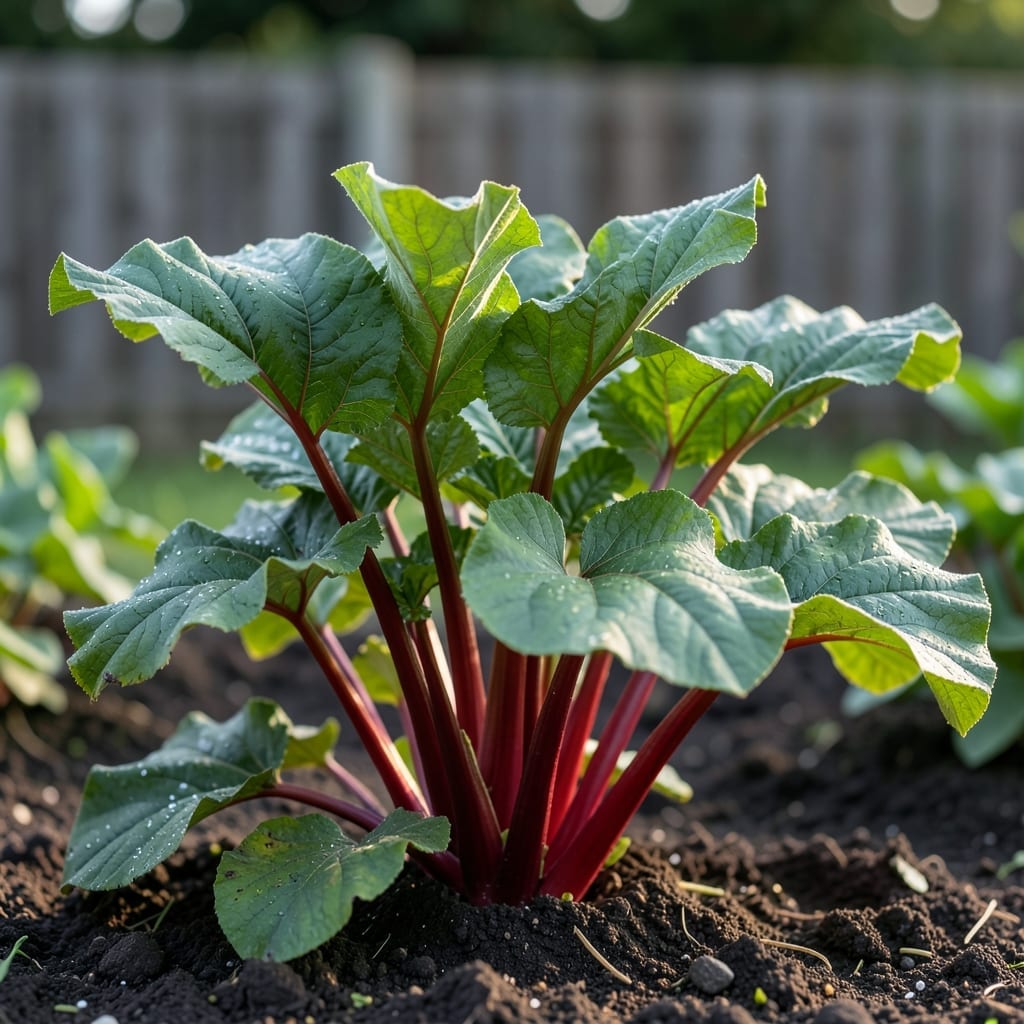
Rhubarb is a hardy perennial that rewards gardeners with years of tart, flavorful stalks—but its success hinges on one critical factor: sunlight. Get the exposure wrong, and you’ll end up with weak, spindly 🪴 plants or poor yields.
In my experience, even this resilient plant has its limits. Too little light means thin stalks and lackluster growth, while too much can scorch leaves in hotter zones like 3-8.
Discover how to strike the perfect balance for thriving rhubarb. The right amount of sun makes all the difference between a struggling patch and a bountiful harvest.

Rhubarb thrives with 6-8 hours of sunlight daily, making it a fan of full sun to partial shade. This balance ensures robust stalk production and vibrant leaf growth without scorching in intense heat.
In cooler climates like USDA zones 3-5, rhubarb can handle more direct sun. However, in hotter zones like 6-8, afternoon shade prevents leaf burn while maintaining vigor. ☀️
| Requirement | Specification |
|---|---|
| Ideal Sunlight | 6-8 hours daily |
| Light Type | Full sun to partial shade |
| Cooler Zones (3-5) | Full sun tolerated |
| Hotter Zones (6-8) | Afternoon shade recommended |
I’ve found that morning sun is particularly beneficial for rhubarb. It dries dew quickly, reducing the risk of fungal diseases like powdery mildew that thrive in damp conditions.
For gardeners in urban areas with limited space, east-facing locations work well. They provide gentle morning light and protect plants from harsh afternoon rays in summer.
If your garden has dappled shade from trees, rhubarb adapts surprisingly well. Just ensure it still receives that minimum 6 hours of direct or bright indirect light daily.
Container-growing tip: Place pots where they’ll get sunlight from multiple angles as the sun moves. Rotate containers weekly for even light distribution.
In my own garden, rhubarb planted along a south-facing fence outperforms those in shadier spots. The reflected light from the fence gives them an extra boost without overheating.
Remember, consistent light is more important than intense light. A steady 6 hours beats 8 hours of sporadic, weak sunlight any day for healthy rhubarb growth.
Watch for leaf yellowing or thin stalks—these are classic signs your rhubarb craves more light. A simple adjustment in placement can work wonders for your harvest. 🌱
When rhubarb doesn’t get its 6-8 hours of daily sunlight, it sends clear distress signals. The most obvious is thin, spindly stalks that lack the typical thickness and vigor of healthy plants.
Another red flag is yellowing leaves, especially on the lower portions of the plant. This chlorosis often indicates the plant isn’t photosynthesizing efficiently due to insufficient light.
⚠️ Warning: Leggy growth with long gaps between leaves means your rhubarb is stretching toward any available light. This weakens the plant and reduces stalk quality significantly.
I’ve noticed that rhubarb in too much shade also produces smaller leaves than normal. The characteristic large, umbrella-like foliage shrinks when light is inadequate.
Another subtle sign is delayed emergence in spring. Well-lit rhubarb crowns push up new growth early, while shaded plants lag behind by weeks.
If you see these symptoms, try relocating plants to a sunnier spot or pruning nearby trees that cast shade. Even moving containers a few feet can make a dramatic difference.
In my garden, I solved a shade problem by thinning out overgrown shrubs near my rhubarb patch. The additional light transformed my plants within weeks, producing thicker, more abundant stalks.
Don’t overlook reflective surfaces like white fences or light-colored mulch. These can bounce extra light to your plants when direct sun is limited. 🌿