
Beautiful Plants For Your Interior
Beautiful Plants For Your Interior
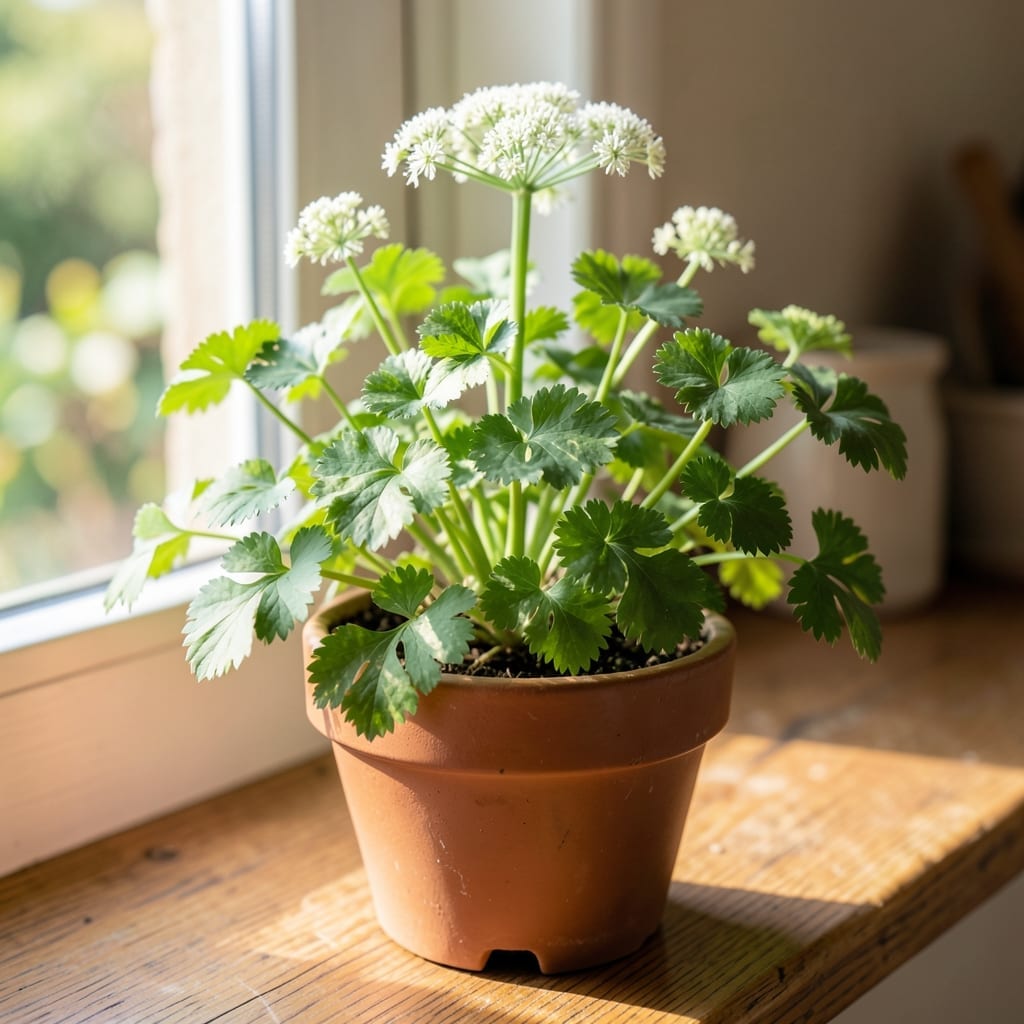
If your 🌿 Cilantro looks sad or bolts too soon, sunlight is likely the culprit. It’s a delicate balance—too much and it scorches, too little and it struggles.
Getting this right means lush growth and that fresh, vibrant flavor we all love. I’ve learned the hard way that even small adjustments can make a big difference.
Discover the simple sunlight secrets that will keep your cilantro thriving from planting to harvest. Let’s get it right together.

I’ve found that cilantro thrives best with 4-6 hours of direct sunlight daily. This herb prefers morning sun over harsh afternoon rays, especially in warmer climates. It’s all about that gentle, consistent exposure to keep leaves lush and flavorful.
In my experience, partial shade works wonders during peak summer heat. Too much intense sun can cause premature bolting, while too little leads to weak, leggy growth. Finding that sweet spot is key for a healthy harvest.
| Requirement | Specification |
|---|---|
| Ideal Sunlight | 4-6 hours daily |
| Best Time | Morning sun |
| Shade Tolerance | Partial shade in summer |
| Bolting Risk | High in full afternoon sun |
For spring planting, I aim for full sun as temperatures are milder. But when summer rolls around, I shift to afternoon shade to protect my plants from stress. This adjustment keeps cilantro producing longer.
If you’re growing in containers, place them where they get eastern exposure. This ensures they soak up those gentle morning rays without the scorching midday heat. I’ve seen container cilantro flourish with this setup.
In hotter climates, like USDA zones 8-10, even 3-4 hours of sun may suffice if paired with shade. I use shade cloth to filter light during peak hours. It’s a game-changer for preventing bolt.
Northern gardeners can push for 6 hours of sun since the light is less intense. I’ve noticed cilantro grows more vigorous with this extra exposure in cooler regions. Just monitor soil moisture closely.
For indoor growing, a south-facing window works best. I rotate my pots weekly to ensure even light distribution. Without enough light, cilantro becomes spindly and weak.
Remember, consistency matters. Sudden changes in light can shock the plant. When I move my cilantro, I do it gradually over a week to help it acclimate. This prevents stress and keeps growth steady.
Finally, watch for signs of stress. Yellowing leaves often mean too much sun, while pale, stretched stems suggest not enough. I check my plants daily to catch these early and adjust as needed.
With the right light balance, your cilantro will reward you with abundant, flavorful leaves all season long 🌿
I’ve learned to watch for yellowing leaves as a sign of too much sun. This often happens when cilantro gets intense afternoon rays without relief. The leaves may also feel crispy to the touch.
On the flip side, leggy growth with small pale leaves signals not enough light. I see this in shady spots where plants stretch toward the sun. They grow tall but weak, struggling to produce those vibrant leaves we love.
Bolting is another red flag. When cilantro gets too much heat or direct sun, it quickly sends up flower stalks. I’ve lost entire crops this way, so I now monitor closely and provide shade when needed.
To fix sunburnt cilantro, I move it to partial shade and trim affected leaves. For leggy plants, I increase light gradually and pinch back growth to encourage bushier habits. Both fixes take patience but work well.
I’ve found that morning sun is gentler and less likely to cause stress. If I notice my cilantro struggling, I adjust its position to capture those softer rays. This simple change often revives struggling plants.
Remember, cilantro prefers consistency. Sudden changes in light exposure can shock the plant. I always make adjustments over several days to give my cilantro time to adapt.
By catching these sun-related signs early, you can keep your cilantro healthy and productive all season long 🌿