
Beautiful Plants For Your Interior
Beautiful Plants For Your Interior
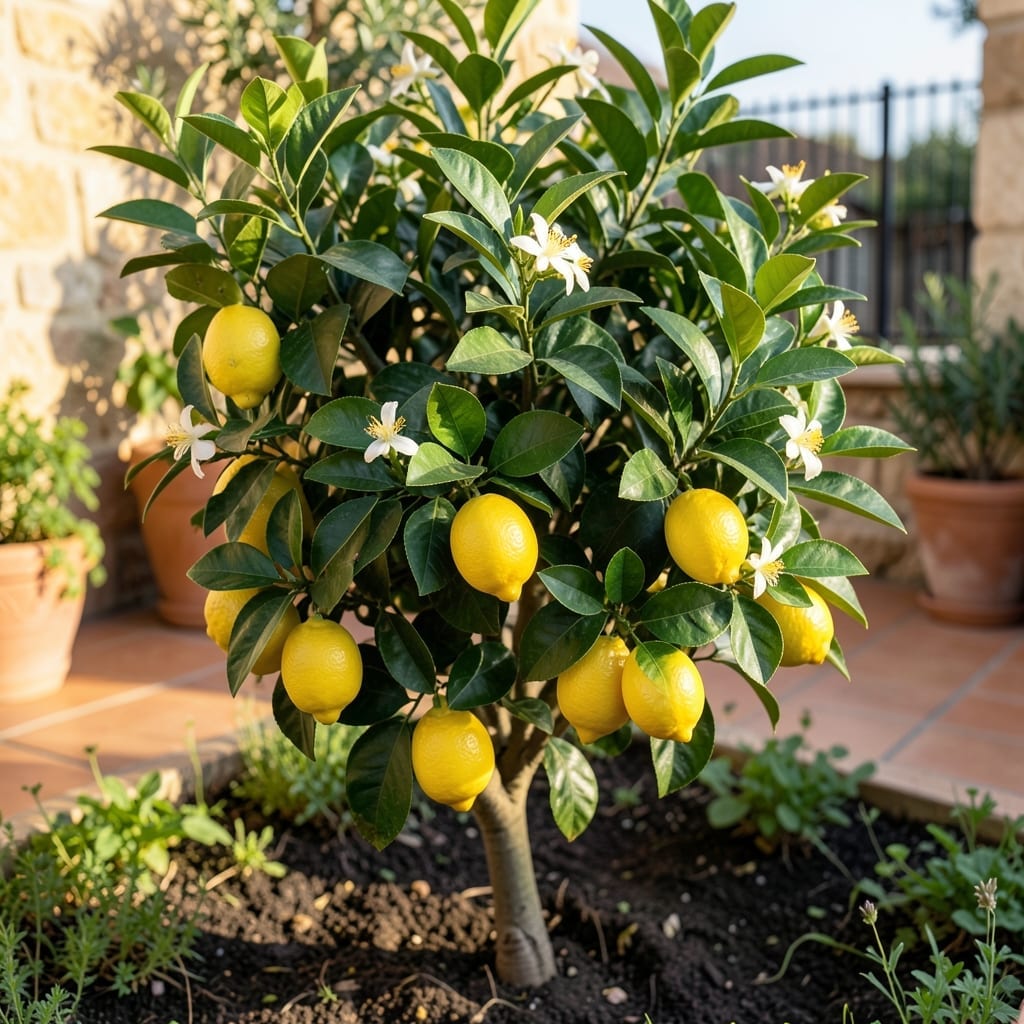
I’ve seen too many Lemon Trees 🍋 struggle because they’re not getting the right amount of light. It’s a common mistake that can leave you with a sad, fruitless tree.
Getting the sunlight balance right is the key to vibrant growth and a bountiful harvest. Whether you’re growing in the ground or in a pot, this factor makes all the difference.
Discover exactly what your tree needs to thrive, from ideal daily exposure to seasonal adjustments. Let’s get your citrus grove on the right track.


I’ve learned that lemon trees are sun-worshippers, but their exact needs vary by type. Most thrive with 8+ hours of direct sunlight daily, but some varieties can tolerate a bit less.
Climate plays a huge role too. In hotter regions, afternoon shade can prevent sunburn on leaves, while cooler areas may require maximum exposure to ripen fruit properly. ☀️
| Variety | Daily Sun Needs | Climate Notes |
|---|---|---|
| Eureka | 8-12 hours | Full sun, tolerates heat |
| Meyer | 6-8 hours | Partial shade in hot climates |
| Lisbon | 8+ hours | Needs protection from wind |
| Dwarf Varieties | 6-8 hours | Ideal for containers |
Standard lemon trees like Eureka and Lisbon demand the most sun, while dwarf types can manage with slightly less. This makes them perfect for patios or balconies with limited space.
In my experience, Meyer lemons are the most adaptable. They’ll produce fruit with 6-8 hours of sun, making them ideal for gardeners in slightly shadier spots or cooler zones.
For those in USDA zones 9-11, full sun year-round is ideal. But in zone 8 or cooler, you’ll need to maximize summer sun and consider winter protection or indoor growing.
Remember, young trees are more sensitive. I always recommend gradually acclimating them to full sun to prevent leaf scorch or stress. 🌱
If you’re growing in containers, rotate your pots regularly. This ensures even sun exposure on all sides, preventing lopsided growth and promoting uniform fruiting.
Watch for seasonal changes too. In winter, even in warm climates, the sun’s angle is lower. Adjust your tree’s position to capture those precious rays.
Lastly, don’t forget that reflected light counts! Light-colored walls or patios can bounce extra sunlight onto your tree, giving it a boost without direct exposure.
I’ve noticed that lemon trees send clear signals when their sunlight needs aren’t met. Yellowing leaves often appear with too much sun, while slow growth suggests they’re not getting enough. ☀️
Leaf drop is another red flag. If your tree is shedding leaves unexpectedly, it might be struggling with sunburn or light deprivation. Poor fruiting is also a common sign of insufficient light.
In my garden, I’ve found that young trees are particularly vulnerable to sun stress. Their tender leaves can scorch easily in intense afternoon sun, so I provide dappled shade during the hottest hours. 🌿
Mature trees handle more sun but still need monitoring. If you see brown tips on leaves, it’s often a sign of excessive heat. Try moving potted trees to a slightly shadier spot or using shade cloth.
For trees getting too little light, prune nearby plants to reduce competition. If that’s not possible, consider supplemental lighting for container trees, especially in winter or overcast climates.
Remember, seasonal changes affect sun exposure. In summer, even a few hours of intense midday sun can be too much, while in winter, your tree might need every bit of light it can get. Adjust accordingly! 🌱