
Beautiful Plants For Your Interior
Beautiful Plants For Your Interior
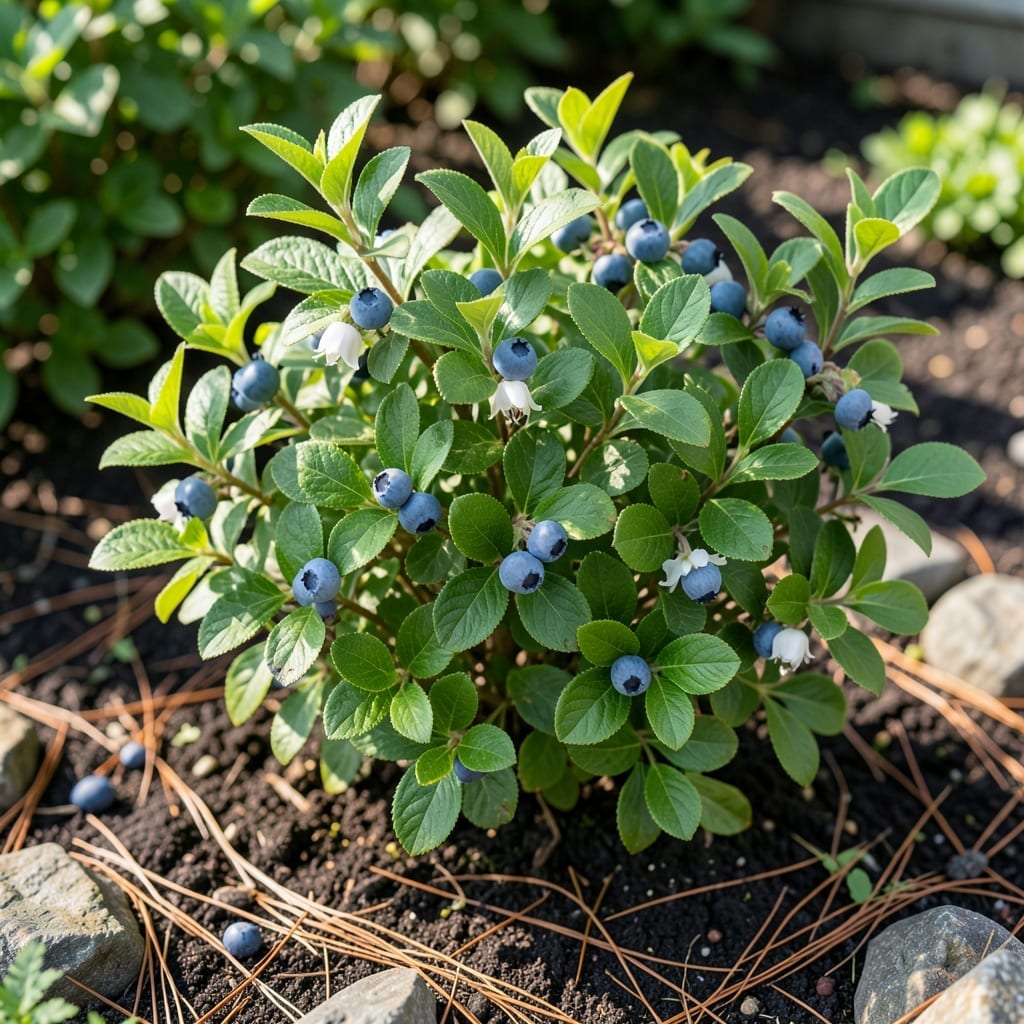
Nothing beats the taste of homegrown blueberries, but your 🫐 Blueberry Bush won’t thrive without the right light. Getting this wrong means small, sour fruit or no harvest at all.
I’ve seen gardeners struggle with weak plants simply because they misjudged sunlight needs. The good news? It’s easier to fix than you think.
Discover the exact light balance that turns a struggling bush into a fruit-packed powerhouse. Your future self will thank you.

If you want juicy blueberries, sunlight is non-negotiable. Most blueberry bushes need 6-8 hours of direct sun daily to produce abundant fruit. However, the exact needs vary by type.
I’ve found that highbush blueberries, the most common type, thrive with full sun. Meanwhile, lowbush varieties tolerate a bit more shade but still need ample light for optimal yields.
| Variety | Sunlight Needs | Notes |
|---|---|---|
| Highbush | 6-8 hours direct sun | Best for zones 5-7 |
| Lowbush | 4-6 hours direct sun | Tolerates partial shade |
| Rabbiteye | 8+ hours direct sun | Heat-tolerant, needs most sun |
| Half-High | 6 hours direct sun | Hybrid, cold-hardy |
Rabbiteye blueberries are the sun-lovers of the bunch, often requiring 8+ hours to set fruit properly. If you’re in a hotter climate, like zone 8 or 9, I recommend afternoon shade to prevent stress.
In my experience, morning sun is best for blueberries. It dries dew quickly, reducing fungal risks. If your garden gets intense afternoon heat, a bit of shade during peak hours won’t hurt your harvest.
For container-grown bushes, place pots where they get at least 6 hours of sun. Rotate them occasionally to ensure even light distribution. This is especially important for dwarf varieties.
If your space is limited, prioritize a south-facing spot. This gives the most consistent light throughout the day. East-facing works too, but you might see slightly smaller yields.
Seasonal adjustments matter too. In early spring or fall, when days are shorter, every hour of sun counts. I always check my garden’s light patterns as the seasons change.
Remember, shade-tolerant doesn’t mean shade-loving. Even lowbush types produce best with maximum light. If your bush isn’t fruiting well, insufficient sun is often the culprit.
With the right light, you’ll see bigger berries, more abundant harvests, and healthier plants overall. It’s worth the effort to get this right from the start. ☀️
Even with the best intentions, your blueberry bush might still struggle if it’s not getting enough light. I’ve seen many gardeners miss the subtle signs of insufficient sunlight until it’s too late.
Watch for stunted growth or weak, spindly stems. These are classic red flags that your plant isn’t getting the 6-8 hours of sun it needs to thrive.
⚠️ Warning: Sunlight Deficiency
Poor fruiting, pale leaves, and slow growth mean your blueberry bush needs more light. Act quickly to avoid long-term damage.
Another telltale sign is small or sour berries. If your harvest is underwhelming, light is often the first factor to check. I always recommend tracking sun exposure for a few days to confirm.
Yellowing leaves can also indicate light stress, though this symptom overlaps with nutrient deficiencies. If the yellowing appears on the lower leaves first, sunlight is likely the issue.
In my garden, I’ve noticed that bushes in partial shade produce fewer flowers. This directly impacts your harvest, as fewer flowers mean fewer berries. If you see this happening, consider relocating your plant.
Don’t overlook long gaps between leaves on new growth. This is a clear sign your bush is stretching for light. Pruning nearby trees or moving container plants can help.
With prompt action, most bushes recover quickly once they get proper light. Keep an eye out, and your plants will reward you with bountiful, sweet berries. ☀️