
Beautiful Plants For Your Interior
Beautiful Plants For Your Interior
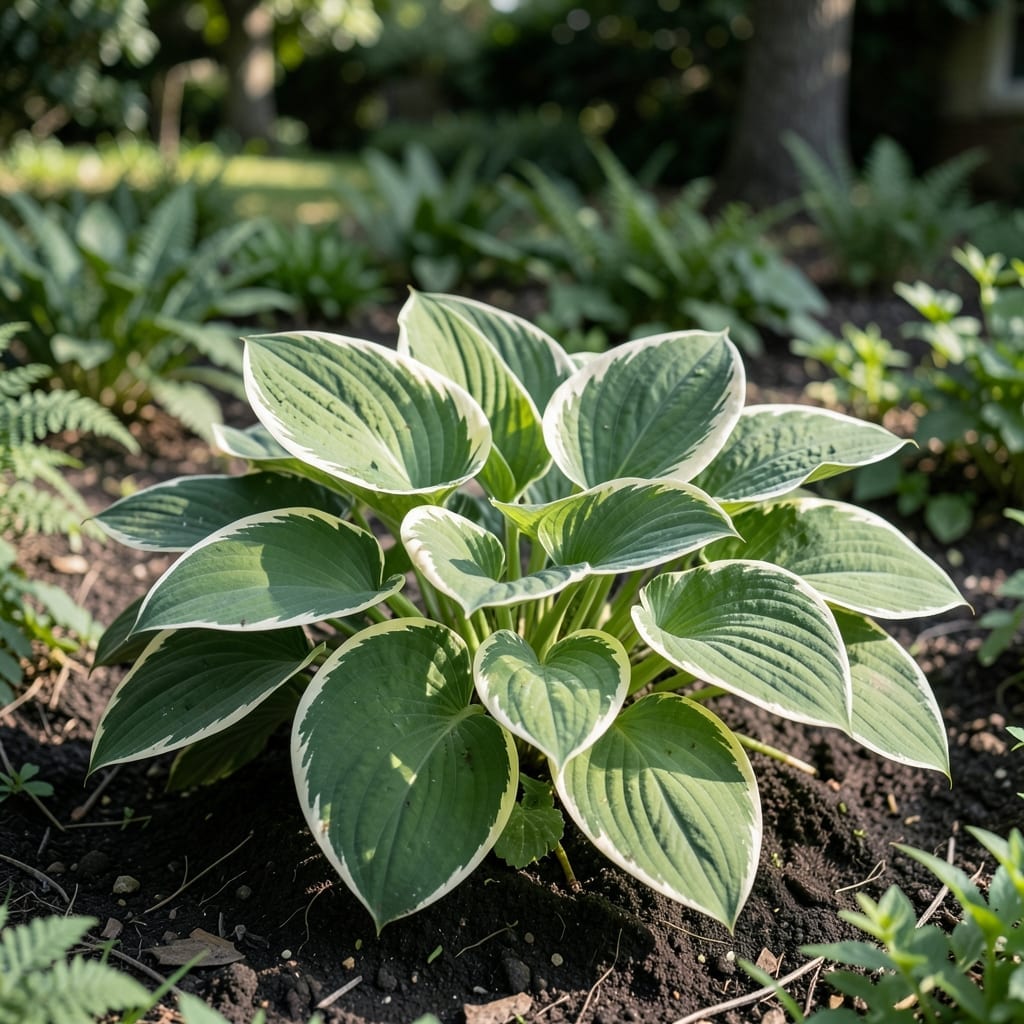
Hostas are the darlings of shade gardens, but don’t assume they can thrive in total darkness. Even these shade-loving plants need some light to reach their full potential.
The 🌿 Hosta’s ideal sunlight varies by type, with most preferring 2-4 hours of gentle morning sun. Too much direct light can scorch their leaves, while too little leaves them weak and leggy.
Let me show you how to strike the perfect balance for lush, vibrant hostas in your garden. The difference the right light makes will surprise you.

Hostas are famous for their shade tolerance, but not all varieties handle light the same way. I’ve learned that blue hostas prefer the most shade, while green types can handle a bit more sun.
Most hostas thrive with 2-4 hours of morning sunlight, but variegated varieties often need more light to maintain their vibrant colors. Getting this right makes all the difference in your garden’s appearance.
| Variety | Sun Tolerance | Ideal Daily Light |
|---|---|---|
| Blue Hostas | Low | 2 hours morning sun |
| Green Hostas | Moderate | 3-4 hours filtered light |
| Variegated Hostas | High | 4-6 hours dappled sun |
| Golden Hostas | Very High | 6 hours partial sun |
The blue hosta varieties, like ‘Halcyon’, are the most shade-dependent. They keep their stunning blue-green color best with minimal direct sun, often just 2 hours in the morning.
For green hostas such as ‘Francee’, I recommend 3-4 hours of gentle sunlight. This keeps their lush foliage vibrant without risking leaf scorch, which can happen with too much afternoon sun.
Variegated hostas, like ‘Patriot’ with its white edges, need more light to maintain their striking patterns. I’ve found they do best with 4-6 hours of dappled sunlight throughout the day.
The most sun-tolerant are golden hostas like ‘August Moon’. These can handle up to 6 hours of partial sun, though they still appreciate some afternoon shade in hotter climates.
Remember, even sun-loving hostas need protection from intense midday sun, especially in USDA zones 7-9. I always suggest using companion plants to create natural shade during peak hours.
If you’re unsure about your garden’s light, try this: place your hostas where they get morning sun and afternoon shade. This is the safest approach for most varieties and gives you that perfect balance.
And don’t forget, soil moisture plays a big role too. Hostas in sunnier spots will need more frequent watering to prevent stress. I check my plants every 2-3 days during dry spells.
Your hostas will tell you if they’re unhappy with their light conditions. I’ve seen leaf scorch appear when they get too much direct sun, especially in the afternoon. Brown, crispy edges are a clear sign to move them to shade.
On the other hand, pale or yellowing leaves often mean they’re not getting enough light. This is common with blue hostas in full shade. They’ll grow slowly and look weak without adequate sun.
For variegated hostas, watch for color fading. If the white or gold edges turn green, they need more light to maintain their patterns. I’ve moved several plants to brighter spots to restore their beauty.
Leggy growth is another red flag. When hostas stretch toward the light, they become tall and sparse. This happens in full shade and means they’re desperate for more sun exposure.
If you notice wilting during midday, it might be heat stress. While hostas love morning sun, the intense afternoon rays can be too much. A simple shade cloth can solve this problem quickly.
I check my hostas weekly for these signs. Catching issues early means I can adjust their position before permanent damage occurs. Remember, the right light keeps them compact and colorful all season long.
And don’t forget, soil conditions affect sun tolerance too. Well-draining, moist soil helps hostas handle more light than they could in dry, poor soil.