
Beautiful Plants For Your Interior
Beautiful Plants For Your Interior
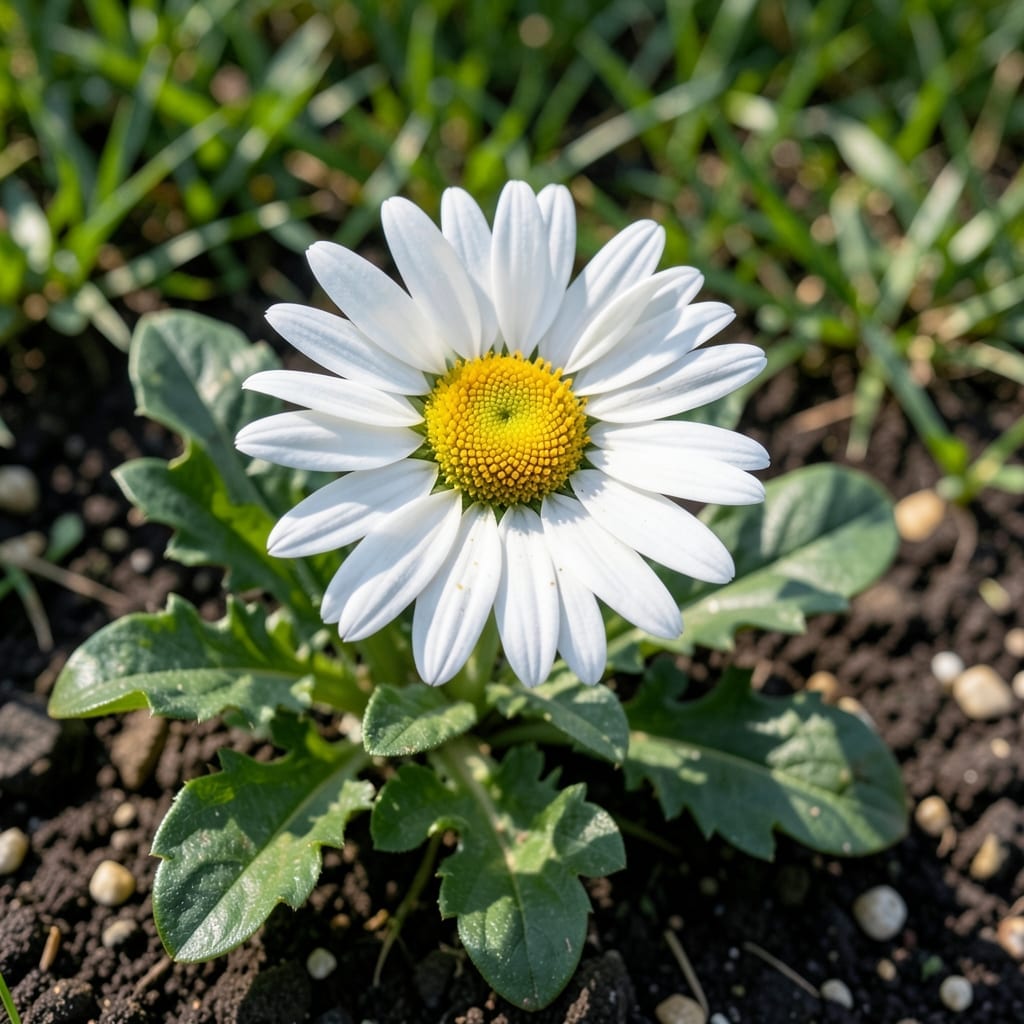
There’s nothing quite like seeing cheerful 🌼 Daisies lighting up a garden, but their beauty depends on one crucial factor: sunlight. Get this wrong, and you might end up with sad, leggy plants instead of vibrant blooms.
I’ve learned through experience that most Daisy varieties thrive with plenty of sun, though the exact amount can vary. Understanding these needs is the first step to growing healthy, flourishing plants.
Let me walk you through what works best for these spring favorites and how to spot when they’re getting too much or too little light. You’ll have picture-perfect Daisies in no time.

I’ve found that most Daisy varieties absolutely love basking in the sun, but their exact needs can surprise you. Shasta Daisies, for example, thrive with 6-8 hours of direct sunlight daily. This is non-negotiable for their iconic white blooms.
If you’re growing Gerbera Daisies, they’re a bit more flexible. These vibrant beauties can handle full sun in cooler climates but may need afternoon shade in scorching areas to prevent wilting. It’s all about balance.
| Variety | Sunlight Requirement |
|---|---|
| Shasta Daisy | Full sun, 6-8 hours daily |
| Oxeye Daisy | Full sun to partial shade, 4-6 hours |
| Gerbera Daisy | Full sun, shade in hot afternoons |
| English Daisy | Partial shade, 3-4 hours of sun |
Oxeye Daisies are the laid-back cousins of the family. They’ll happily grow in full sun but can tolerate partial shade, making them perfect for gardens with dappled light. Just don’t expect as many blooms in shadier spots.
English Daisies are the exception to the rule. These delicate flowers prefer partial shade and can scorch in intense sunlight. Aim for 3-4 hours of morning sun to keep them thriving without stress.
In my experience, regional climate plays a huge role. If you’re in a hotter zone, even sun-loving daisies may need protection during peak afternoon heat. A little dappled shade can prevent leaf scorch.
For container-grown daisies, sunlight is even more critical. Potted plants dry out faster, so ensure they get their required daily sun but monitor soil moisture closely. I’ve lost a few Gerberas by underestimating this!
If you’re unsure about your garden’s light, try this: place a sunlight tracker or simply observe shadows. Areas with 6+ hours of unobstructed sun are ideal for most daisies. Less than that? Stick to Oxeye or English varieties.
Remember, morning sun is gentler and often better for daisies than harsh afternoon rays. This is especially true in southern climates where the sun is more intense. A little planning goes a long way.
Finally, don’t forget that young daisy plants need time to acclimate. If you’re transplanting, gradually introduce them to their new light conditions over a week to avoid shock. Your patience will be rewarded with stronger, healthier plants ☀️
I’ve seen my fair share of struggling daisies, and sunlight issues are often the culprit. When daisies don’t get enough light, they’ll start stretching toward the sun, resulting in leggy, weak stems with fewer blooms.
Another red flag is pale or faded flowers. This usually means they’re not getting the 6+ hours of sun they need to produce vibrant colors. If your blooms look washed out, it’s time to reassess their light exposure.
🌼 Leggy growth = Needs more sun
🌼 Faded blooms = Insufficient light
🌼 Leaf scorch = Too much direct sun
🌼 Wilting = Heat stress or drought
On the flip side, too much sun can be just as harmful. If your daisies have brown, crispy edges on their leaves or petals, they might be getting leaf scorch. This is common in hot climates with intense afternoon sun.
Wilting in the heat is another sign of sun overload. While some wilting in extreme heat is normal, if it happens daily, your daisies might be begging for shade. I learned this the hard way with my Gerbera daisies one summer!
For container-grown daisies, watch for dry soil and drooping leaves. Pots heat up faster, so they often need more frequent watering in full sun. A quick fix is moving them to a spot with afternoon shade.
Finally, if your daisies are blooming sparsely or not at all, check their light. Most varieties need that full sun to trigger abundant flowering. Even shade-tolerant types like English daisies need some sun to bloom well.
If you notice these signs, don’t panic. Daisies are resilient! Adjust their light gradually, and they’ll often bounce back quickly 🌻