
Beautiful Plants For Your Interior
Beautiful Plants For Your Interior
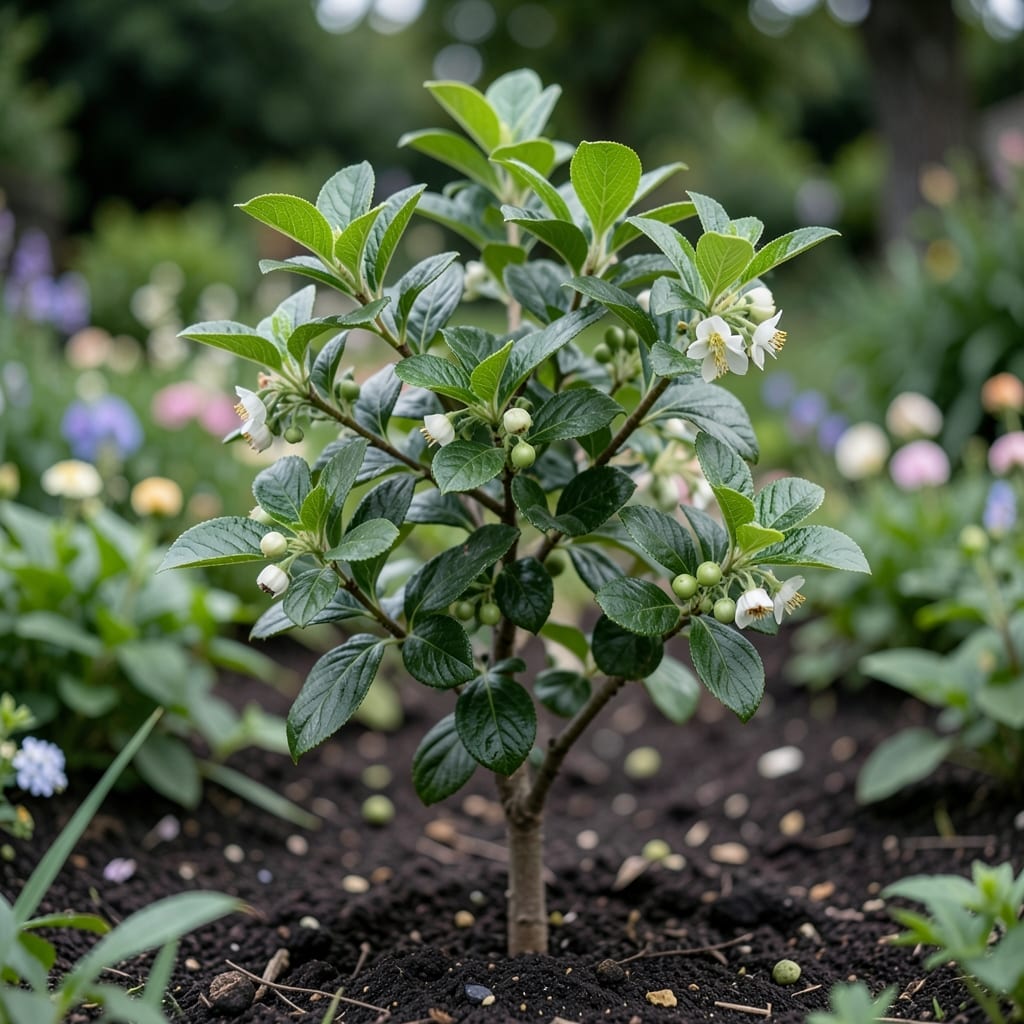
I remember the first time I planted Blueberry 🫐 bushes – I assumed they’d thrive anywhere. Boy, was I wrong. These plants have very specific needs when it comes to sunlight.
Getting the light requirements right means the difference between a handful of berries and a bumper crop. It’s not just about quantity either – the quality of light matters just as much.
Discover the sweet spot for sunlight that will have your bushes bursting with fruit. I’ll walk you through exactly what works best for these delicious plants.

I’ve learned that blueberry bushes need just the right amount of sunlight to produce those plump, sweet berries we all love. These plants are particular about their light conditions.
For the best results, aim for 6-8 hours of direct sunlight daily. This is the sweet spot for most blueberry varieties to thrive and produce abundant fruit. ☀️
| Variety | Daily Sun Needs | Shade Tolerance |
|---|---|---|
| Highbush | 6-8 hours | Moderate |
| Lowbush | 4-6 hours | High |
| Rabbiteye | 8+ hours | Low |
In my experience, highbush blueberries do best with full morning sun and some afternoon shade, especially in hotter climates. This balance prevents berry scalding while ensuring proper ripening.
The lowbush varieties can tolerate more shade, but you’ll notice a significant drop in fruit production. I’ve seen bushes in partial shade produce 50% fewer berries than their sun-drenched counterparts.
For rabbiteye blueberries, which thrive in warmer zones, they absolutely demand full sun. These need that extra light intensity to develop their characteristic large, flavorful berries.
Seasonal changes affect sunlight too. In early spring and fall, when days are shorter, I make sure my bushes get every possible ray. During summer’s peak, I monitor for heat stress signs.
If you’re in a region with intense afternoon sun, consider planting on the east side of your property. This gives your bushes gentler morning light and protection from harsh afternoon rays.
Remember that young blueberry plants are more sensitive to light conditions. I always start them in a spot where they can get their required 6-8 hours without competition from taller plants.
Proper spacing between bushes ensures each plant gets its fair share of sunlight. I recommend 4-6 feet apart for most varieties to prevent shading each other out. 🌱
I’ve noticed that blueberry bushes send clear signals when they’re not getting enough light. The first sign is often poor fruiting, with fewer and smaller berries than expected. ☀️
Another red flag is leggy growth, where the plant stretches unnaturally toward any available light. The leaves may also turn yellow or appear pale green, indicating chlorophyll production issues.
⚠️ Warning: Blueberries in insufficient light often produce tart berries with less sugar content. This happens because sunlight is crucial for sugar development in the fruit.
In my garden, I once planted a bush in a spot that got only 4 hours of sunlight. The berries were tiny and sour, and the plant grew tall and spindly. After moving it to a sunnier location, the difference was remarkable.
Watch for delayed ripening too. Berries that stay red or purple longer than usual may need more light to turn that perfect deep blue. I check my bushes weekly during the growing season.
Another telltale sign is reduced flowering in spring. If your bush isn’t producing many blossoms, it might be struggling with light deficiency. I’ve found that pruning nearby trees can dramatically improve this.
For container-grown blueberries, I rotate the pots quarter-turn daily to ensure all sides get equal light. This simple step prevents lopsided growth and maximizes sun exposure. 🌱