
Beautiful Plants For Your Interior
Beautiful Plants For Your Interior
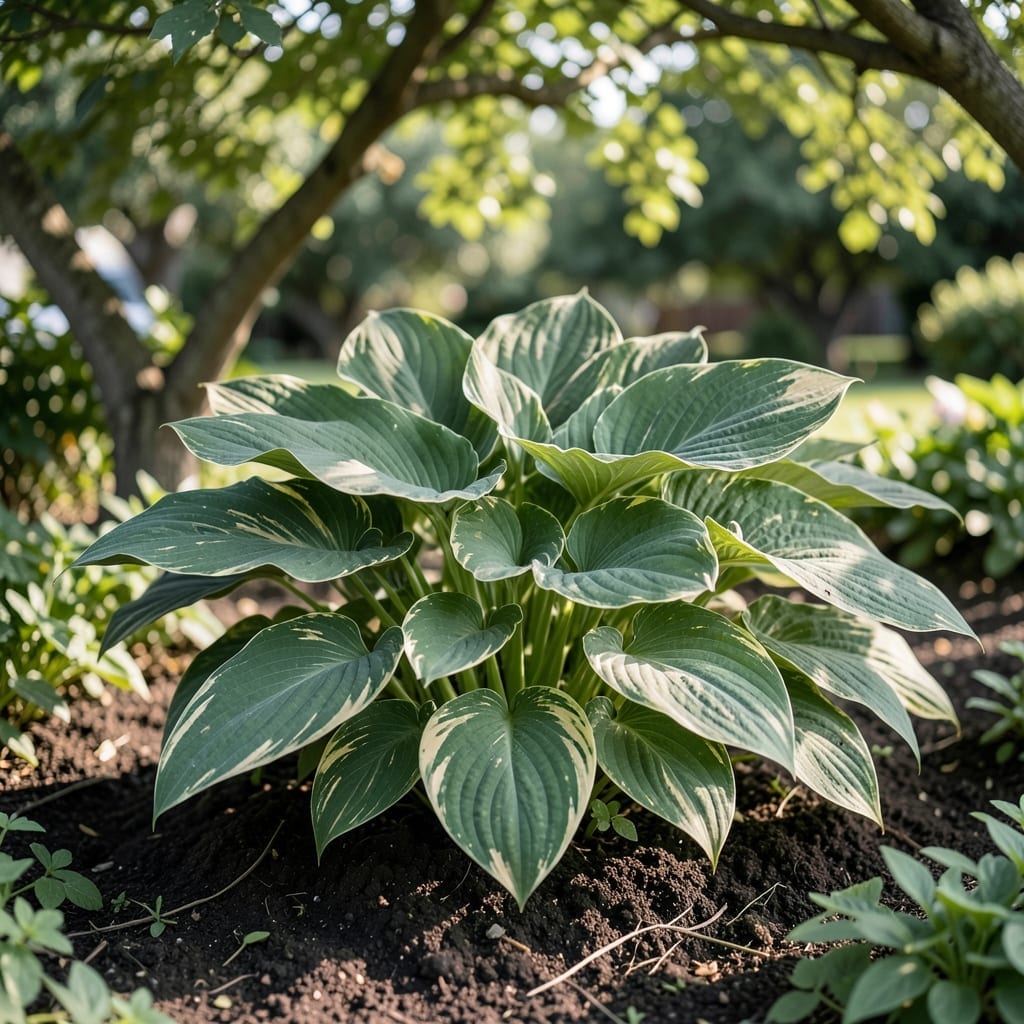
Hostas are the go-to plants for shady gardens, but many gardeners wonder: can they handle a little sunlight? The answer isn’t a simple yes or no—it depends on the 🌿 Hosta variety, climate, and care.
Some types thrive with morning sun, while others scorch under direct light. Knowing the difference can mean lush foliage or a sad, crispy plant.
Discover how to strike the perfect balance for your hostas, ensuring they flourish in zones 3-9 without the stress of too much exposure.

Not all hostas are created equal when it comes to sunlight tolerance. Some varieties can handle morning sun beautifully, while others will scorch at the edges with too much exposure.
I’ve found that blue hostas often prefer the deepest shade, as their thick leaves are prone to sunburn. Meanwhile, gold and variegated types can usually handle a bit more light.
| Variety | Sun Tolerance | Ideal Light |
|---|---|---|
| Blue Hostas | Low | Full to partial shade |
| Green Hostas | Moderate | Morning sun, afternoon shade |
| Gold Hostas | High | Partial sun to light shade |
| Variegated Hostas | Moderate to High | Dappled sunlight |
In my garden, I’ve noticed that green hostas like ‘Francee’ or ‘Patriot’ can thrive with 2-4 hours of sun, especially if it’s morning light. This is because morning sun is less intense than the afternoon glare.
If you have gold hostas like ‘Golden Tiara’, they often look their best with a bit more light. But be careful—too much direct sun can bleach their leaves, turning them a dull, washed-out color.
Variegated hostas are a bit more forgiving. Varieties like ‘Undulata’ can handle partial sun as long as the soil stays consistently moist. The white or yellow edges on their leaves can burn easily in hot climates.
For blue hostas such as ‘Halcyon’ or ‘Elegans’, I recommend full shade. Their leaves are thicker and more prone to heat stress. If you must place them in a sunnier spot, dappled light under trees works best.
Climate plays a role too. In cooler zones like 3-5, hostas can often handle more sun than in hotter zones like 8-9. In the South, even sun-tolerant varieties might need extra shade during peak summer.
If you’re unsure about a specific variety, start with less sun and gradually increase exposure. Watch for signs of stress, like brown edges or wilting leaves, and adjust accordingly.
Remember, consistent moisture is key. Hostas in sunnier spots will need more frequent watering to prevent their leaves from drying out. A thick layer of mulch can help retain soil moisture and protect roots from heat.
If you want to give your hostas more sun, do it gradually. Sudden exposure to bright light can shock the plants and cause leaf scorch. I start by moving potted hostas to a slightly sunnier spot for 1-2 hours a day.☀️
Increase the sun exposure by 30 minutes weekly until they’re getting the desired amount. For in-ground plants, I use shade cloth to filter the light initially, then remove it as they adjust.
I’ve learned that morning sun is the safest choice for most hostas. It’s less intense and gives plants time to recover during the cooler afternoon. Even sun-tolerant varieties can struggle in hot, direct afternoon light.
Mulching is a game-changer. A 2-3 inch layer of organic mulch like shredded bark or compost keeps roots cool and conserves moisture. This is especially important in warmer climates where the sun is stronger.
If you notice brown tips or bleached spots, your hosta is getting too much sun. Move it back to a shadier spot and trim the damaged leaves to encourage new growth. Consistent moisture is critical during this adjustment period.
Remember, young hostas are more sensitive than established ones. Give them extra care and time to adapt to brighter conditions. With patience, many varieties will reward you with vibrant, healthy foliage in partial sun.🌿