
Beautiful Plants For Your Interior
Beautiful Plants For Your Interior
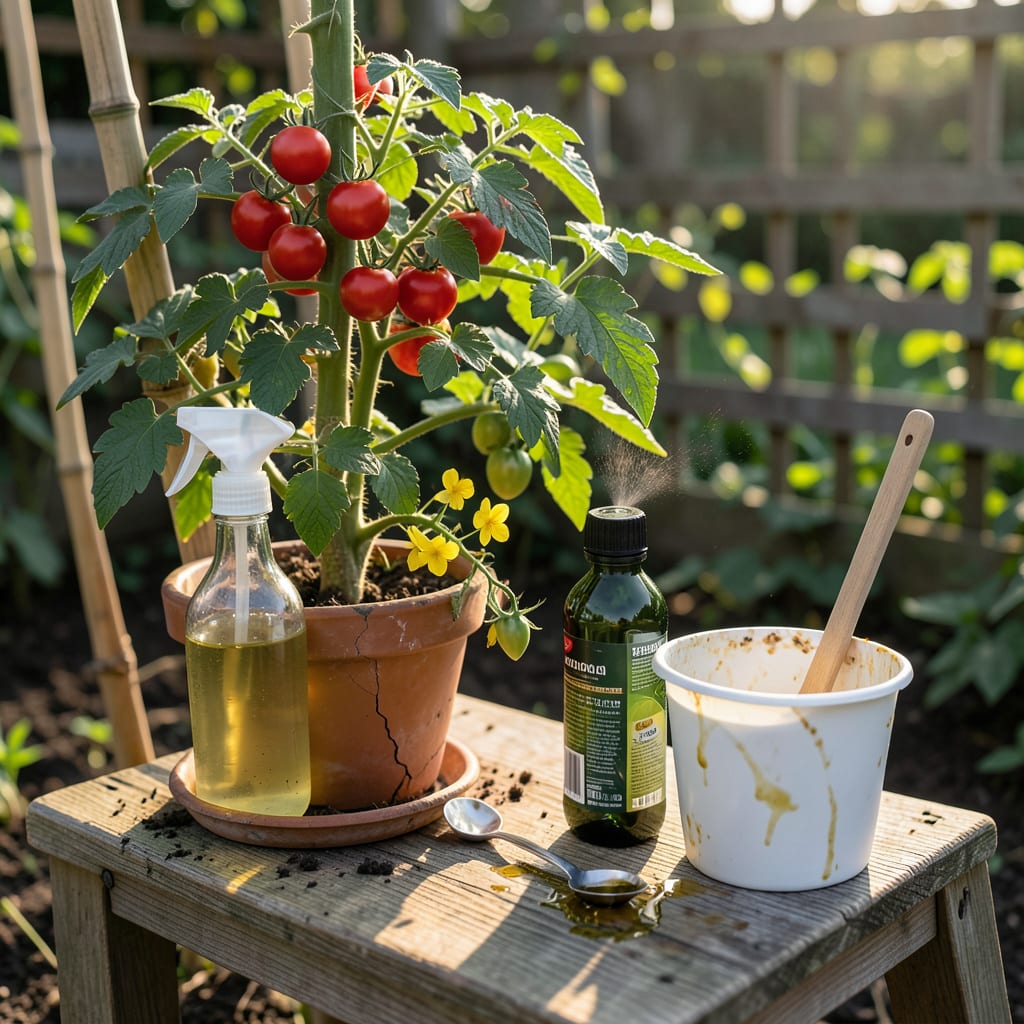
For general garden use, mix 1 to 2 teaspoons of neem oil per 16 oz of water with ½ teaspoon of mild liquid soap as an emulsifier. Always test on a small area first, as potency varies by plant sensitivity and pest severity.
This ratio balances effectiveness with safety, ensuring you get pest control without overwhelming your plants. 🌱 I’ve found that 1 teaspoon works well for preventive maintenance, while 2 teaspoons is better for active infestations—just be cautious with delicate plants like herbs or young seedlings. The soap helps disperse the oil evenly, preventing it from separating or clogging your sprayer. Always apply in the early morning or late evening to avoid leaf burn from sun exposure.
💡 In This Article
Neem oil’s power comes from its active compound azadirachtin, which disrupts insect life cycles by mimicking natural hormones. At 1-2 teaspoons per 16 oz, you’re creating a solution that’s potent enough to deter pests but gentle enough for most plants.
This concentration allows the azadirachtin to work systemically—absorbed through leaves and transported throughout the plant—without causing phytotoxicity. 🌿
The dilution ratio directly affects how the oil interacts with plant tissues. Too strong (over 3 teaspoons), and you risk clogging stomata or burning delicate foliage. Too weak (under 1 teaspoon), and pests may develop resistance.
I’ve seen this firsthand with spider mites—they’ll bounce back quickly if the concentration is too low, but overwhelm the plant if it’s too high.
Environmental conditions change the game completely. In hot climates (above 85°F), neem oil evaporates faster, so you might need the higher end of the range. High humidity (over 70%) makes the oil adhere better to leaves, allowing you to use slightly less.
Always check the forecast—applying before rain wastes your mixture, while midday sun can cause the oil to cook your plants. ☀️
Different plants respond uniquely to neem concentrations. Leafy greens and herbs often need the 1 teaspoon ratio, while woody plants like roses can handle 2 teaspoons. The soap emulsifier is crucial—it breaks the oil into tiny droplets that spread evenly.
Without it, you’ll get oily patches that can suffocate plant cells or fail to cover pests effectively.
Here’s what happens at the cellular level: neem oil coats insect bodies, blocking their spiracles (breathing pores), while the azadirachtin interferes with their molting hormones. At proper concentrations, this dual action works without harming beneficial insects like bees when applied correctly.
The 16 oz water base provides enough volume to cover about 200 sq ft of foliage thoroughly. 🐝
Remember that neem oil degrades in sunlight, losing about 50% effectiveness after 8 hours of exposure. This is why evening applications work best—the oil has time to absorb before UV rays break it down. The concentration you choose should account for this degradation rate if you’re treating a severe infestation that might need multiple applications.
Regular dish soap can work in a pinch, but avoid products with degreasers or synthetic fragrances. A mild liquid soap (like Castile) is ideal because it’s less likely to harm plants. Use no more than ½ teaspoon per 16 oz—too much can damage foliage.
For prevention, apply every 2-3 weeks. For active infestations, spray every 5-7 days until pests are gone. Always reapply after rain or heavy watering. Evening applications work best to avoid leaf burn from sun exposure.
Yes, but follow these precautions: Use the 1 teaspoon ratio, spray only in the evening, and wash produce thoroughly before eating. Avoid applying within 1 week of harvest for leafy greens. Neem oil is OMRI-listed for organic gardening when used correctly.
Clogging usually happens when oil separates or mineral deposits build up. Use distilled water and shake vigorously before each use. Clean your nozzle with hot vinegar after every 3-4 applications. A fine-mist sprayer works better than stream settings.
Never combine with chemical pesticides or sulfur-based fungicides—this can cause plant damage. You can safely mix with insecticidal soap or horticultural oil, but always test on a small area first. Wait 24 hours between different spray applications.
