
Beautiful Plants For Your Interior
Beautiful Plants For Your Interior
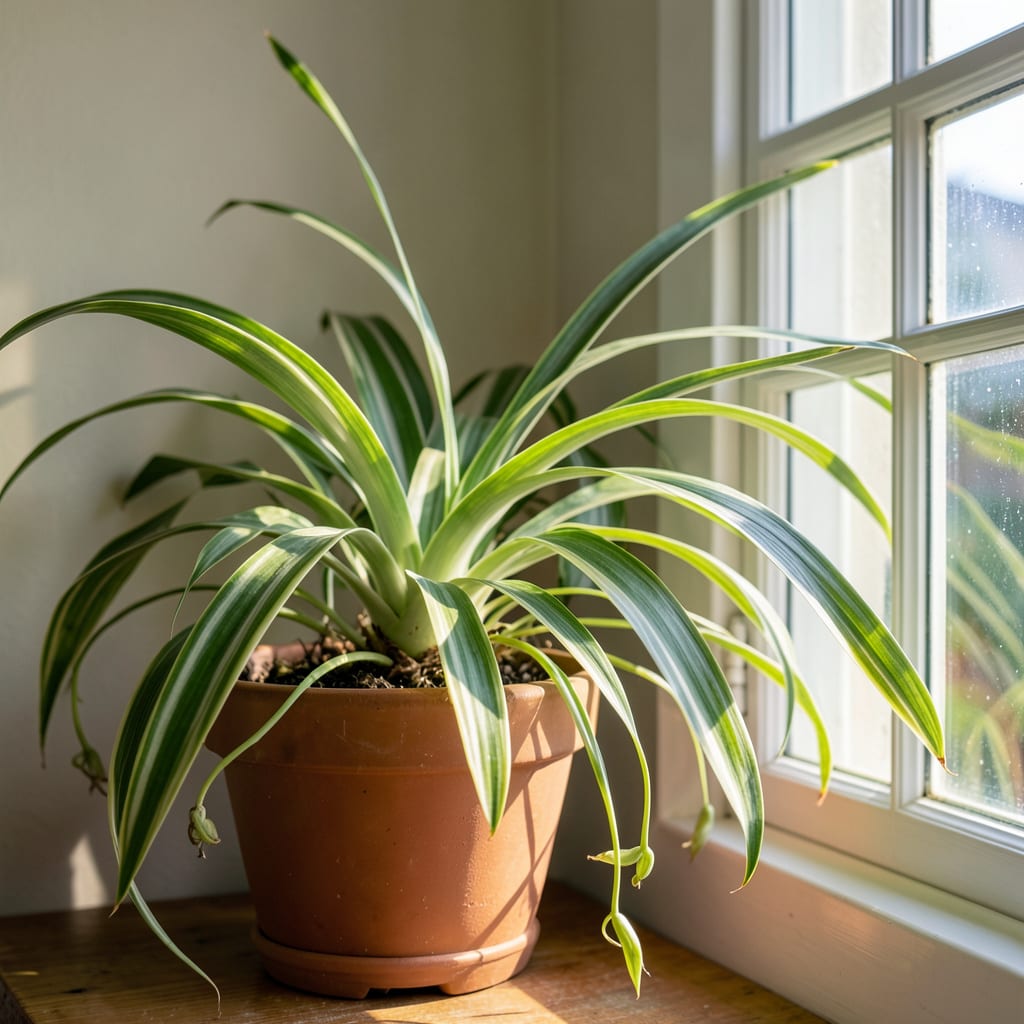
As a Spider Plant 🌿 owner, you want to create the perfect environment for your plant to thrive. Lighting is a crucial factor, and getting it right can make all the difference in your plant’s health and growth.
So, how much light does your Spider Plant need? Let’s dive into the optimal lighting conditions for this popular houseplant, and I’ll share some tips on how to provide the right amount of light for your Spider Plant to flourish.

When it comes to lighting, Spider Plants are quite adaptable, but they still have specific needs to thrive. Understanding the ideal lighting conditions is crucial for maintaining their health and encouraging growth 🌱.
Spider Plants prefer bright, indirect light, making them perfect for rooms with plenty of natural light. However, they can tolerate a range of lighting conditions, from partial shade to bright light. The key is to avoid direct sunlight, which can cause the leaves to become scorched 🔥.
The ideal light hours for Spider Plants are between 4 to 6 hours of bright, indirect light. This can be achieved by placing them near an East or West-facing window, which provides the right amount of gentle light 🌞.
Direct sunlight can be harmful, as it can cause the leaves to become scorched. If you only have a South-facing window, consider using a sheer curtain to filter the light and prevent damage 🔍.
Too little light can lead to leggy growth and a loss of variegation in the leaves. On the other hand, too much light can cause the leaves to become scorched. Finding the right balance is key to keeping your Spider Plant healthy and thriving ⚖️.
I recommend observing your plant’s response to the light it’s receiving and adjusting its position accordingly. With the right lighting conditions, your Spider Plant will be happy and healthy, providing you with beautiful foliage and air-purifying benefits for years to come 🌿.
Monitoring your plant’s condition is essential to ensure it’s receiving the right amount of light. Keep an eye out for signs of too much or too little light, and make adjustments as needed to create the perfect environment for your Spider Plant 📝.
By providing your Spider Plant with the right amount of light, you’ll be rewarded with healthy growth and vibrant foliage. So, take a moment to assess your plant’s lighting needs and make any necessary adjustments to give it the best chance to thrive 🌟.
In summary, Spider Plants need bright, indirect light to thrive. By understanding their lighting needs and providing the right conditions, you can enjoy a healthy and happy plant for years to come 🌱.
Spider Plants are versatile and can thrive in various lighting conditions, making them perfect for different home environments 🌿.
When it comes to adapting Spider Plant lighting to your home, there are several factors to consider, including the direction of your windows and the time of day natural light is available.
By understanding the specific lighting needs of your Spider Plant in different environments, you can provide the best conditions for it to thrive 🌞.
Adjusting your plant’s position according to the time of day and the direction of your windows can make a big difference in its health and growth 🌱.
For example, during the summer months, you may need to provide more shade for your Spider Plant to prevent scorching, while in the winter months, you may need to provide more light to compensate for the shorter days 🌟.
By being mindful of your Spider Plant’s lighting needs in different environments, you can enjoy a healthy and happy plant for years to come 🌿.
Understanding the signs of improper lighting is crucial for maintaining your Spider Plant’s health 🌱.
Too much light can cause damage, while too little light can lead to weak growth. Monitoring your plant’s condition is key to providing the right amount of light 🔍.
If your Spider Plant is getting too much or too little light, it will show signs such as leaf discoloration, leggy growth, or scorched leaves. Adjust its position accordingly to ensure optimal health 🌿.
Leaf discoloration is a common sign of too much or too little light. If the leaves become yellow or brown, it may be due to excessive light 🔥.
Leggy growth is another indicator of insufficient light. If your Spider Plant is stretching towards the light source, it needs more bright, indirect light 🌞.
Scorched leaves can result from direct sunlight. If you notice brown or crispy leaves, consider moving the plant to a spot with filtered light 🌟.
I recommend checking your plant’s leaves regularly for any signs of stress. By adjusting its position and providing the right amount of light, you can keep your Spider Plant healthy and thriving 🌱.
Proper lighting conditions will reward you with a lush, vibrant plant. Keep an eye out for these signs and make adjustments as needed to create the perfect environment for your Spider Plant 📝.
In summary, monitoring your Spider Plant’s response to light is essential for its health. By recognizing the signs of too much or too little light, you can make informed decisions to provide the best conditions for your plant to flourish 🌿.
East or West-facing windows are perfect for Spider Plants, providing 4-6 hours of bright, indirect light. This gentle light promotes healthy growth and prevents scorching.
Yes, Spider Plants can adapt to low light, but they may require more frequent watering and fertilization. However, they won’t thrive as they would in brighter conditions.
If your Spider Plant’s leaves become yellow or brown, it may be getting too much light. Consider moving it to a spot with filtered light or using a sheer curtain to diffuse the sunlight.
Yes, in USDA Zone 6, you can move your Spider Plant outdoors during spring and summer months. Just be sure to protect it from direct sunlight and extreme temperatures.
