
Beautiful Plants For Your Interior
Beautiful Plants For Your Interior
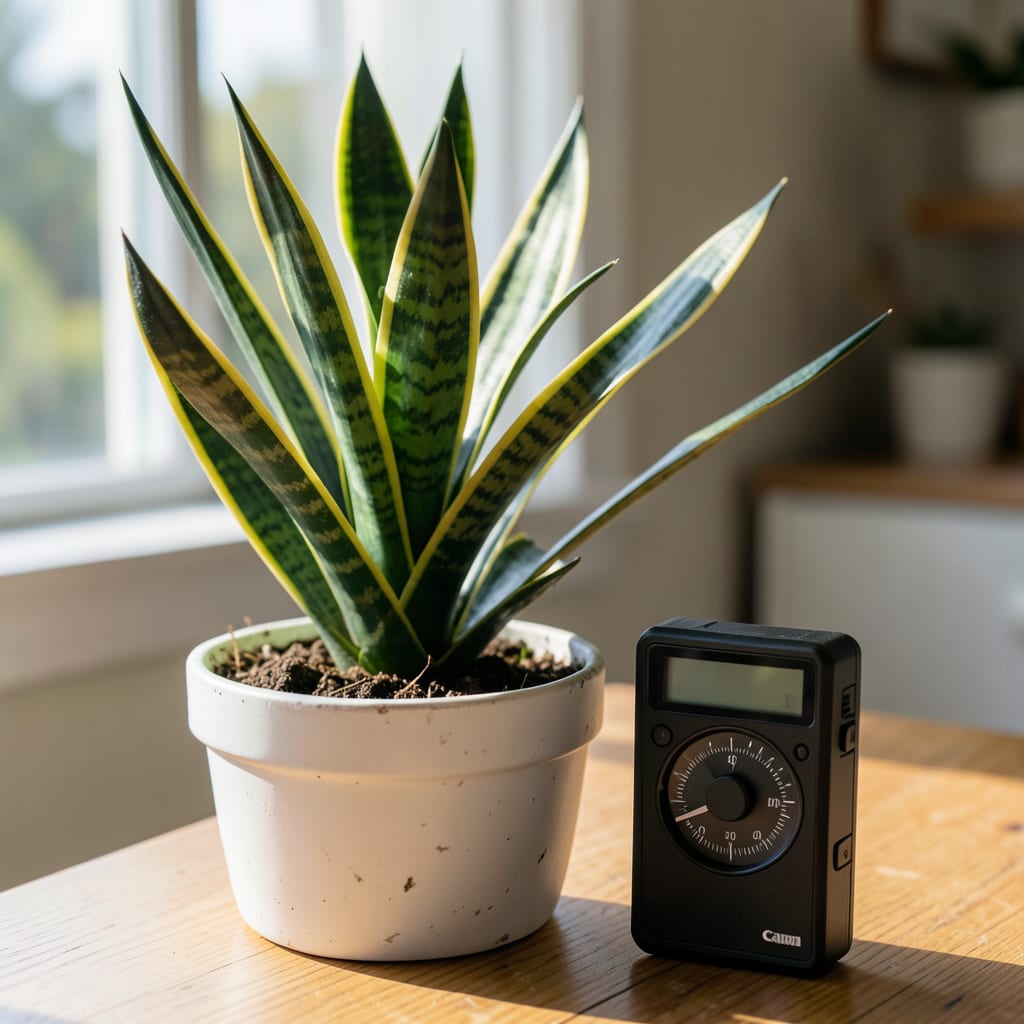
When it comes to growing a healthy General Plant 🌱, light is one of the most critical factors. Too little light can lead to weak and spindly growth, while too much can cause scorching.
Understanding the right amount of light for your General Plant is key to its success, especially in locations like General where the USDA Zone is 6. Let’s explore how to get it just right.


Understanding how much light your plants need is crucial for their growth and survival. Too little or too much light can significantly impact their health. The right amount of light varies depending on several factors, including the type of plant, climate, season, and growth stage 🌿.
Different plants have different light requirements. For example, cacti and succulents typically require more light than ferns and peace lilies. The climate and season also play a significant role in determining the right amount of light for your plants. In general, plants need more light during the growing season and less during the dormant season.
The amount of light your plants need can also depend on their growth stage. For example, seedlings typically require more light than mature plants. Understanding these factors can help you provide the optimal light conditions for your plants.
In a location like General, which is in USDA Zone 6, plants may require adjustments in light exposure due to the local climate. Understanding the specific needs of your plants and the local conditions can help you make informed decisions about their care 🌟.
Monitoring your plants’ response to light is also crucial. If your plants are not getting enough light, they may become leggy or pale. On the other hand, too much light can cause scorching or discoloration. Adjusting their light exposure based on their response can help ensure they thrive.
By considering these factors and adjusting your care routine accordingly, you can provide your plants with the right amount of light for optimal growth and health 🌱.
In addition to understanding the general light requirements for your plants, it’s also important to consider the specific needs of different plant types. Some plants, like orchids, require very specific light conditions, while others, like succulents, are more adaptable.
By taking the time to understand the unique needs of your plants, you can create a more tailored care routine that meets their specific requirements. This can help ensure they receive the right amount of light for optimal growth and health 🌻.
Using grow lights can be a great way to supplement natural light, especially during the winter months or in low-light environments. However, it’s essential to choose the right type of grow light for your plants and adjust the duration and intensity accordingly.
By combining the right amount of light with other essential care factors, like watering and fertilization, you can create a nurturing environment that supports the health and well-being of your plants 🌿.
Different plants have varying light requirements, and understanding these needs is crucial for their optimal growth. Some plants thrive in low-light conditions, while others require bright, direct sunlight. Knowing the specific light needs of your plants can help you provide the best environment for them to flourish 🌿.
For example, plants like Chinese Evergreen and Pothos can tolerate low light, making them perfect for rooms with limited natural light. On the other hand, plants like Succulents and Cacti require bright, direct sunlight to photosynthesize and grow properly 🌵.
It’s also important to consider the seasonal changes in light exposure. During the winter months, the days are shorter, and the sun is lower in the sky, resulting in less intense light. In contrast, during the summer months, the days are longer, and the sun is higher in the sky, resulting in more intense light 🌞.
By understanding the specific light needs of your plants and adjusting their light exposure accordingly, you can help them thrive and maintain their health. Whether you need to move them to a different location or supplement with grow lights, making informed decisions about their light exposure can make a significant difference 🌱.
Monitoring your plants’ response to light is also crucial. If they are not getting enough light, they may become leggy or pale. On the other hand, too much light can cause scorching or discoloration. Adjusting their light exposure based on their response can help ensure they thrive 🌟.
In addition to understanding the general light requirements for your plants, it’s also essential to consider the specific needs of different plant types. Some plants, like orchids, require very specific light conditions, while others, like succulents, are more adaptable 🌻.
By taking the time to understand the unique needs of your plants, you can create a more tailored care routine that meets their specific requirements. This can help ensure they receive the right amount of light for optimal growth and health 🌿.
Adjusting light exposure is crucial for optimal plant growth, as different plants have varying light requirements 🌿.
To provide the right amount of light, you can use grow lights to supplement natural light, especially during the winter months or in low-light environments. When using grow lights, it’s essential to choose the right type and adjust the duration and intensity according to your plants’ needs 💡.
When using grow lights, start with 12-14 hours of light exposure per day and adjust based on your plants’ response. Monitor their growth and adjust the light duration accordingly 🔍.
Monitoring your plants’ response to light is crucial to ensure they receive the right amount of light. If they are not getting enough light, they may become leggy or pale. On the other hand, too much light can cause scorching or discoloration 🌟.
By understanding the specific light needs of your plants and adjusting their light exposure accordingly, you can help them thrive and maintain their health. Whether you need to move them to a different location or supplement with grow lights, making informed decisions about their light exposure can make a significant difference 🌱.
In addition to using grow lights, you can also adjust the placement of your plants to optimize their light exposure. For example, moving plants to a south-facing window or using mirrors to reflect natural light can help increase the amount of light they receive 🌻.
By combining the right amount of light with other essential care factors, like watering and fertilization, you can create a nurturing environment that supports the health and well-being of your plants 🌿.
Adjusting light exposure is an ongoing process that requires attention to your plants’ changing needs. By being mindful of these needs and making adjustments as necessary, you can help your plants thrive and enjoy optimal growth 🌱.
Check your plant’s leaves for signs of sufficient or insufficient light. If they’re dark green and healthy, the light is likely adequate. If they’re leggy or pale, your plant may need more light. Adjust accordingly to ensure optimal growth .
Yes, you can use grow lights to supplement natural light, especially during winter months or in low-light environments. Choose the right type and adjust the duration and intensity according to your plants’ needs. This can help ensure they receive the right amount of light for optimal growth .
Adjust your plant’s light exposure based on its response and seasonal changes. During winter months, plants may require less light, while during summer months, they may need more. Monitor your plant’s health and adjust its light exposure accordingly to ensure optimal growth .
Too little light can cause plants to become leggy or pale, while too much light can cause scorching or discoloration. Monitor your plant’s response to light and adjust its exposure to prevent these issues and ensure optimal growth .
