
Beautiful Plants For Your Interior
Beautiful Plants For Your Interior
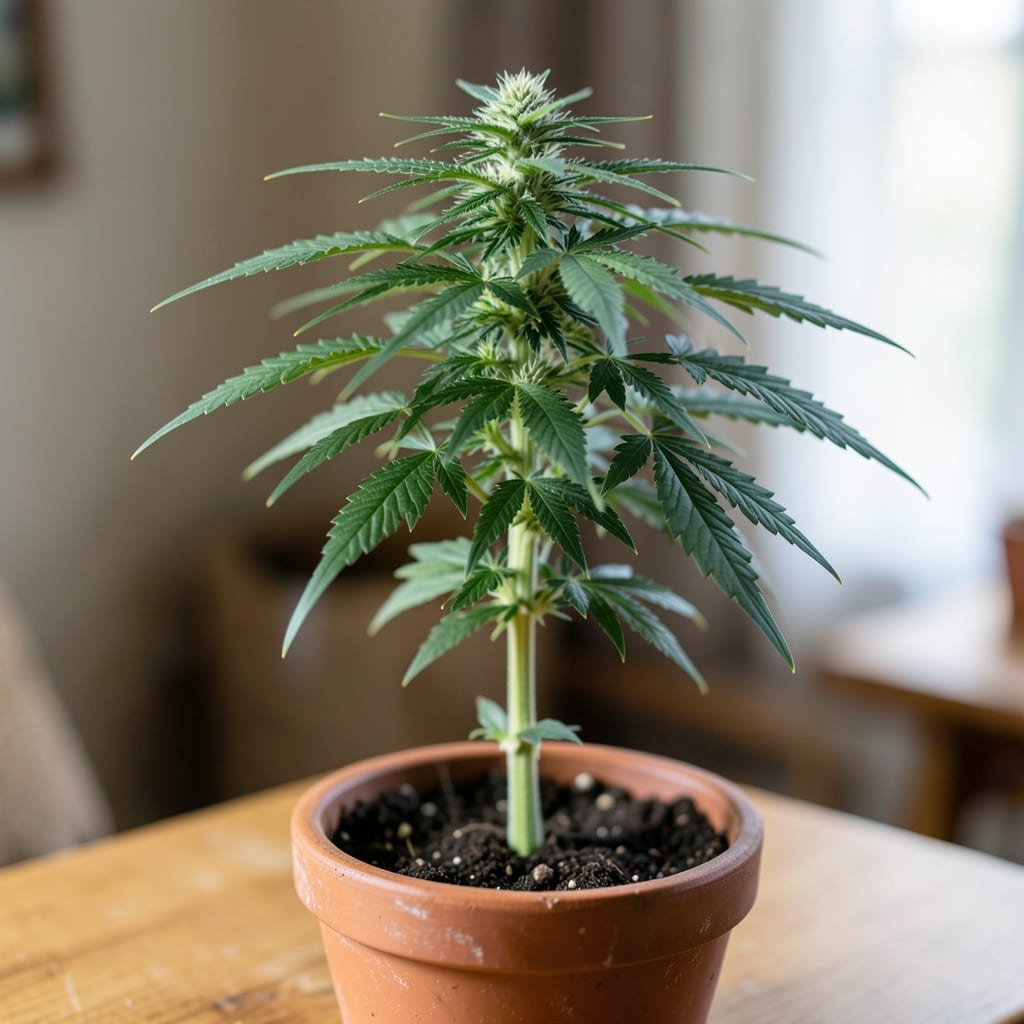
When growing a single Pot Plant 🌱 in your home or garden, understanding its light requirements is crucial for optimal growth. Too little light can lead to weak and spindly growth, while too much can cause scorching.
I’ll guide you through the factors to consider when determining the right amount of light for your Pot Plant, helping you create an ideal environment for it to thrive in USDA Zone 6 during the spring planting season.
 Best Window Placement
Understanding the light requirements for your Pot Plant is crucial for its growth and development. Different plants have varying needs when it comes to light exposure.
The amount of light a plant needs depends on its species, with some thriving in low light conditions while others require bright indirect or even direct sunlight. I’ll explore these differences to help you provide the best conditions for your plant.
Most houseplants fall into the bright indirect category, requiring 4-6 hours of bright, indirect light. Examples include Snake Plants and Spider Plants, which can tolerate a range of light conditions but do best in bright, indirect light.
Low light plants like Chinese Evergreen and Pothos can survive in conditions with as little as 1-2 hours of indirect light per day. They’re ideal for rooms with limited natural light.
On the other hand, plants that require direct sunlight, such as Cacti and some Succulents, need 6 or more hours of direct sunlight daily to thrive. 🌞
It’s essential to research the specific light requirements for your Pot Plant variety to ensure you’re providing the optimal conditions for its growth.
Factors such as the plant’s native habitat and its adaptation to different light conditions can influence its needs. For instance, plants from tropical regions often require more light than those from shaded forest areas.
By understanding and meeting your Pot Plant’s light requirements, you can promote healthy growth and enjoy a thriving, vibrant plant.
Adjusting the plant’s position or supplementing with grow lights can help achieve the ideal light conditions, especially in environments with limited natural light.
Monitoring your plant’s response to its light environment and making adjustments as needed is key to ensuring it receives the right amount of light for optimal growth.
Measuring and providing the right amount of light for your Pot Plant is crucial for its optimal growth. I’ll share practical tips on how to determine the ideal light conditions for your plant.
To start, you need to understand the different types of light your plant might need: low light, bright indirect, or direct sunlight. Each type has a significant impact on your plant’s development.
Use a light meter to measure the exact light intensity your plant is receiving. This helps ensure you’re providing the optimal light conditions.
One effective way to measure light is by using a light meter. This tool gives you an accurate reading of the light intensity, helping you adjust your plant’s position accordingly.
For plants that require bright indirect light, placing them near an east- or west-facing window is ideal. This provides the necessary light without the risk of scorching from direct sunlight.
If your plant needs direct sunlight, a south-facing window is the best option. However, be cautious of the intensity and consider using a sheer curtain to filter the light if necessary.
For plants that thrive in low light conditions, you can place them in areas with limited natural light. Consider supplementing with grow lights to ensure they receive enough light for healthy growth.
It’s also important to consider the duration of light exposure. Most houseplants need 4-6 hours of light per day, but this can vary depending on the species.
By understanding your plant’s specific light needs and using the right tools to measure and provide the appropriate light, you can create an optimal environment for your Pot Plant to flourish.
Regularly monitoring your plant’s response to its light environment and making adjustments as needed will help ensure it continues to thrive.
When growing Pot Plants, it’s common to encounter light-related issues that can affect their health and growth. I’ll help you identify and troubleshoot these problems to ensure your plant thrives.
Too little light can cause plants to become leggy or develop weak stems. On the other hand, too much light can lead to scorching or discoloration of leaves. Understanding these issues is key to providing the right care.
Be cautious of overexposure to direct sunlight, which can cause irreversible damage to your plant’s leaves.
To address light-related issues, start by assessing your plant’s current light conditions. If it’s receiving too little light, consider relocating it to a brighter spot or supplementing with grow lights.
If your plant is getting too much light, you can filter the sunlight using a sheer curtain or move it to a spot with indirect light. Monitoring your plant’s response to these changes is crucial.
Some common signs of light-related problems include yellowing leaves, droopy stems, or slow growth. By identifying these signs early, you can take corrective action to prevent further damage.
Regularly checking your plant’s light environment and making adjustments as needed will help ensure it receives the right amount of light for optimal growth and health.
By being proactive and attentive to your plant’s light needs, you can enjoy a healthy, thriving Pot Plant that brings joy and beauty to your space 🌿.
Most houseplants thrive with 4-6 hours of bright, indirect light per day. Some plants can tolerate less or more light depending on their species.
Yes, grow lights are an excellent solution for plants that need more light than they’re getting naturally. They come in various spectrums and intensities to suit different plant needs.
Signs of too little light include leggy growth and pale leaves, while too much light can cause scorching or yellowing of leaves. Adjust the plant’s position accordingly.
No, not all plants require direct sunlight. Some prefer bright indirect light, and direct sunlight can sometimes cause damage. Research your plant’s specific needs.
