
Beautiful Plants For Your Interior
Beautiful Plants For Your Interior
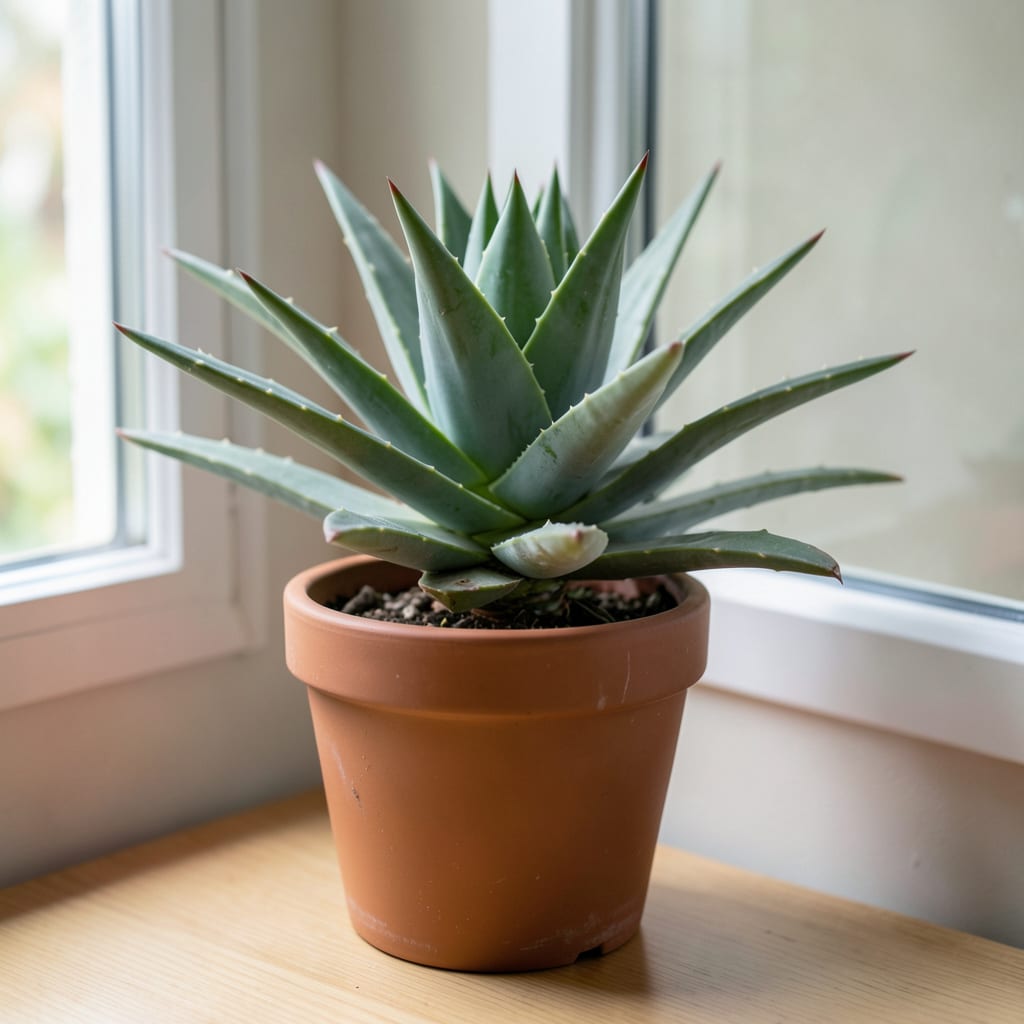
As I care for my Aloe Vera 🌵, I’ve learned that lighting is crucial for its health. Too little light, and it becomes leggy; too much, and it gets scorched.
Finding the right balance is key – 4-6 hours of bright, indirect light is ideal. I’ll guide you through creating the perfect lighting conditions for your Aloe Vera to thrive in your home or garden.

Aloe vera plants require bright, indirect light to thrive. They can tolerate some direct sunlight, but too much can cause damage. The ideal amount of light for aloe vera is 4-6 hours per day 🌵.
When it comes to direct vs indirect sunlight, aloe vera prefers indirect sunlight. Direct sunlight can be too intense and may cause the leaves to become scorched. However, some direct sunlight is beneficial, especially during the morning or late afternoon when the sun’s rays are gentler.
The intensity of the light is also crucial. Aloe vera plants prefer moderate to bright light, but not intense direct sunlight. If you’re growing a new aloe vera plant, it’s essential to provide the right amount of light from the start. 🌱
Factors that affect light requirements include the plant’s variety, climate, and time of year. Some aloe vera varieties are more tolerant of direct sunlight than others. In hotter climates, it’s best to provide more shade, while in cooler climates, more direct sunlight can be beneficial.
To ensure your aloe vera receives the right amount of light, consider the following: window placement, supplemental lighting, and seasonal adjustments. By taking these factors into account, you can create an optimal lighting environment for your aloe vera plant to flourish.
For indoor plants, a south-facing window with a sheer curtain can provide the perfect amount of indirect light. If you’re growing your aloe vera outdoors, choose a location with partial shade, especially during the hottest part of the day.
In addition to natural light, you can also use supplemental lighting to support your aloe vera plant’s growth. LED grow lights or fluorescent lights can be used to provide additional light, especially during the winter months when natural light is scarce.
By understanding the optimal lighting conditions for your aloe vera plant, you can help it thrive and enjoy its many benefits. With the right amount of light, your aloe vera will be happy and healthy, and you’ll be able to enjoy its healing properties for years to come 🌿.
To recap, the key to providing the right amount of light for your aloe vera is to understand its specific needs and adjust accordingly. By following these guidelines, you’ll be well on your way to growing a healthy and thriving aloe vera plant.
When it comes to providing the right amount of light for your Aloe Vera, there are several factors to consider. The ideal amount of light for aloe vera is 4-6 hours of bright, indirect light per day 🌵.
To achieve this, you can place your aloe vera plant near a south-facing window with a sheer curtain to filter the direct sunlight. This will provide the perfect amount of indirect light for your plant to thrive.
Rotate your aloe vera plant every 1-2 weeks to ensure even growth and prevent leaning towards the light source 🔄.
If you’re growing your aloe vera outdoors, choose a location with partial shade, especially during the hottest part of the day. This will help prevent scorching of the leaves and ensure your plant remains healthy.
In addition to natural light, you can also use supplemental lighting to support your aloe vera plant’s growth. LED grow lights or fluorescent lights can be used to provide additional light, especially during the winter months when natural light is scarce 💡.
When using supplemental lighting,
It’s also essential to monitor your aloe vera plant’s response to the light it’s receiving. If you notice the leaves becoming leggy or stretched, it may be a sign that the plant needs more light. On the other hand, if the leaves are scorched or discolored, it may be a sign that the plant is receiving too much light 🌿.
By providing the right amount of light and adjusting as needed, you can help your aloe vera plant thrive and enjoy its many benefits. With the right lighting conditions, your aloe vera will be happy and healthy, and you’ll be able to enjoy its healing properties for years to come.
To summarize, providing the right amount of light for your aloe vera requires careful consideration of its lighting needs and adjustments as needed. By following these guidelines, you’ll be well on your way to growing a healthy and thriving aloe vera plant 🌱.
As I care for my Aloe Vera, I’ve learned to watch for signs that it’s getting too much or too little light. If the leaves become leggy or stretched, it may be a sign that the plant needs more light 🌵.
On the other hand, if the leaves are scorched or discolored, it may be a sign that the plant is receiving too much light. Other signs of too much light include brown or yellow tips on the leaves.
Too little light: leggy growth, weak stems. Too much light: scorched leaves, discoloration 🌿.
To adjust the lighting conditions for your aloe vera, you can try moving it to a different location or using supplemental lighting. If you’re growing your aloe vera outdoors, you can provide shade during the hottest part of the day using a shade cloth or other shading material 🌻.
It’s also essential to monitor your aloe vera plant’s response to the light it’s receiving and make adjustments as needed. By doing so, you can help your aloe vera thrive and enjoy its many benefits.
By understanding the signs of light stress and taking action to adjust the lighting conditions, you can keep your aloe vera happy and healthy. With the right amount of light, your aloe vera will be able to photosynthesize properly and grow strong and healthy 🌱.
To summarize, keeping an eye out for signs of light stress and adjusting the lighting conditions accordingly is crucial for the health and well-being of your aloe vera plant. By following these guidelines, you’ll be well on your way to growing a thriving aloe vera plant 🌿.
Aloe vera plants can tolerate some direct sunlight, but too much can cause damage. It’s best to provide 4-6 hours of bright, indirect light per day. Direct sunlight can be beneficial during morning or late afternoon when the sun’s rays are gentler .
Rotate your aloe vera plant every 1-2 weeks to ensure even growth and prevent leaning towards the light source. This will help maintain the plant’s natural shape and promote healthy growth .
If your aloe vera’s leaves become leggy or stretched, it may need more light. If the leaves are scorched or discolored, it may be getting too much light. Other signs of too much light include brown or yellow tips on the leaves .
Yes, you can use supplemental lighting to support your aloe vera plant’s growth during winter months. LED grow lights or fluorescent lights can provide additional light, especially when natural light is scarce .
