
Beautiful Plants For Your Interior
Beautiful Plants For Your Interior
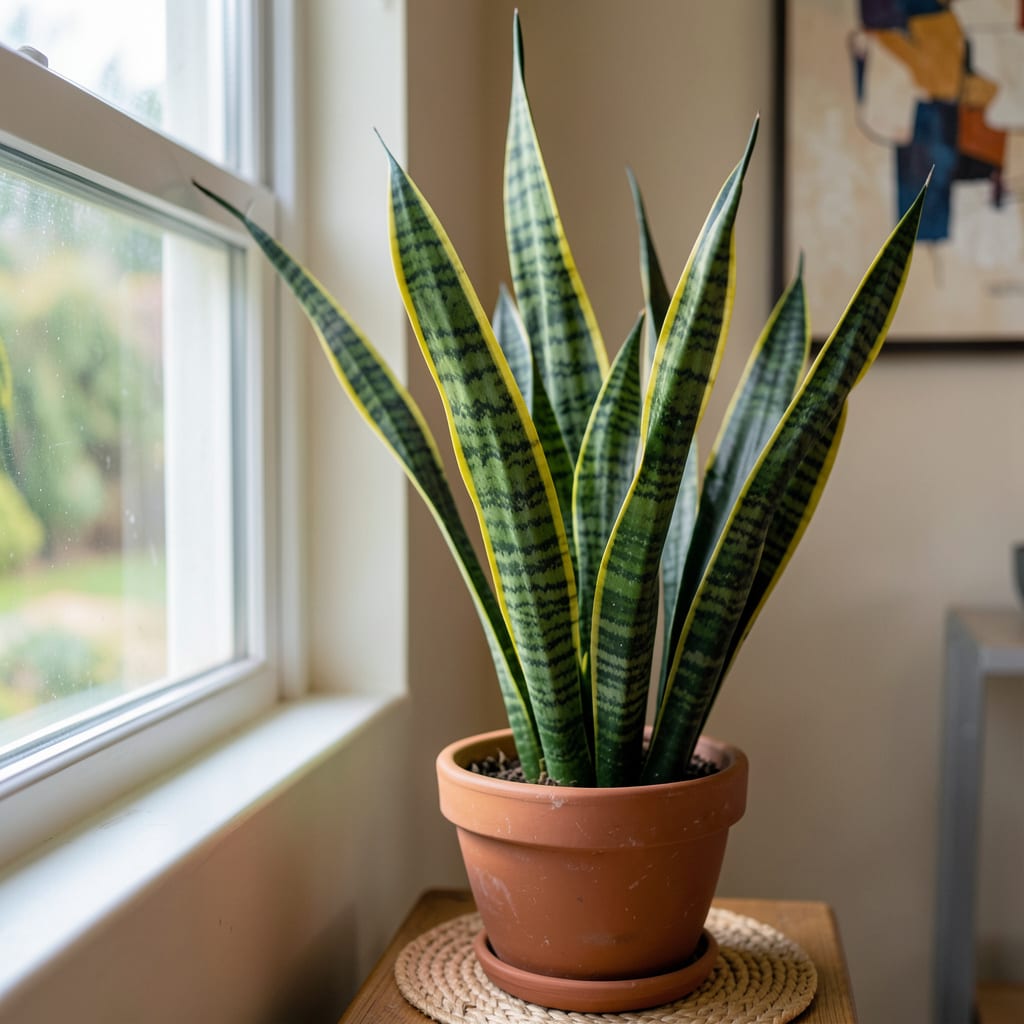
I’ve always been fascinated by the resilience of the 🪴 Snake Plant, especially in low-light conditions. But how much light does it really need to thrive? Understanding its lighting requirements is key to keeping this hardy plant healthy and happy in your home or office.
Whether you’re a seasoned plant parent or just starting out, getting the light right for your Snake Plant can make all the difference in its growth and overall well-being. Let’s explore the optimal lighting conditions for this popular houseplant.


I’ve found that understanding the ideal lighting conditions for snake plants is crucial for their health and growth. Snake plants are known for their ability to thrive in a variety of lighting conditions, making them a popular choice for indoor spaces.
The ideal light for snake plants is bright indirect light, but they can also tolerate low light conditions. This versatility makes them suitable for rooms with limited natural light. However, it’s essential to avoid direct sunlight, which can cause the leaves to become scorched.
In my experience, snake plants can adapt to different lighting conditions, but their growth rate and leaf color may vary. For example, in low-light conditions, the plant may not produce as many new leaves, and the existing leaves may become more pale.
To optimize the lighting for your snake plant, consider the following factors:
Window direction is critical. East- or west-facing windows provide the ideal bright indirect light. North-facing windows can be too dim, while south-facing windows may be too intense without proper filtering.
Duration of light exposure also matters. While snake plants can tolerate low light, they’ll generally do better with 4-6 hours of bright indirect light per day. You can supplement natural light with artificial grow lights if necessary.
It’s also worth noting that seasonal changes can affect the lighting conditions for your snake plant. During the winter months, the days are shorter, and the sun is lower in the sky, which can impact the amount of light your plant receives.
By understanding and adjusting to these factors, you can provide your snake plant with the optimal lighting conditions it needs to thrive.
Some other factors to consider when it comes to lighting for snake plants include:
The distance between the plant and the light source can impact the intensity of the light. Keep this in mind when placing your snake plant near a window or under artificial lighting.
The type of light bulb used can also make a difference. LED grow lights, for example, are designed to provide the specific spectrum and intensity of light that plants need to thrive.
By taking these factors into account and providing your snake plant with the right amount and type of light, you can help it grow and flourish. 🌱
In summary, snake plants are versatile and can thrive in various lighting conditions, but bright indirect light is ideal for optimal growth. By understanding the factors that affect lighting and making adjustments as needed, you can keep your snake plant happy and healthy.
Overall, with the right lighting, snake plants can be a low-maintenance and rewarding addition to any indoor space.
I’ve found that understanding the specific lighting needs of a snake plant is crucial for its care. While they can survive in various light conditions, knowing the optimal amount of light can help your plant thrive.
Snake plants generally require 4-6 hours of bright indirect light per day for optimal growth. This can be achieved by placing them near an east- or west-facing window, which provides the right amount of indirect light 🌞.
For optimal growth, snake plants need 4-6 hours of bright indirect light daily. Direct sunlight can cause leaf scorch, while too little light may result in leggy growth.
The type of light your snake plant receives is also important. Direct sunlight can be too intense and may cause the leaves to become scorched. On the other hand, low light conditions can lead to leggy growth and less vibrant foliage.
To measure the light levels, you can use a light meter or simply observe your plant’s response to its environment. If the leaves are becoming too long and thin, it may be a sign that the plant is not receiving enough light.
In my experience, using artificial grow lights can be a great way to supplement natural light, especially during the winter months when daylight hours are shorter.
It’s also worth noting that the duration of light exposure can impact your snake plant’s growth. While they can tolerate low light, they’ll generally do better with more light, up to a certain point.
By understanding and adjusting to these factors, you can provide your snake plant with the optimal lighting conditions it needs to thrive 🌱.
Overall, snake plants are adaptable, but bright indirect light for 4-6 hours a day is ideal for healthy growth and maintaining their attractive foliage.
I understand that finding the right lighting for snake plants can be challenging, especially when dealing with different environments. Whether you’re dealing with a dimly lit room or a sunny windowsill, adjusting the lighting for your snake plant is crucial for its health and growth.
For indoor spaces with limited natural light, snake plants can still thrive. They can tolerate low light conditions, but their growth may be slower. To optimize lighting in such spaces, consider using artificial grow lights. LED grow lights are a great option as they provide the necessary spectrum for plant growth without generating excessive heat.
For rooms with limited natural light, consider using LED grow lights to supplement the available light and promote healthy growth in your snake plant.
When placing snake plants near sunny windows, it’s essential to filter the direct sunlight to prevent leaf scorch. East- or west-facing windows are ideal as they provide bright indirect light. If you only have south-facing windows, consider using a sheer curtain to diffuse the sunlight.
In environments with artificial lighting setups, you can still provide your snake plant with the necessary light. Fluorescent lights or LED grow lights can be used to supplement or replace natural light. Keep in mind that the duration and intensity of the artificial light should be adjusted according to the plant’s needs.
To ensure your snake plant gets the right amount of light, observe its response to the lighting conditions. If the leaves are becoming too long and thin, it may be a sign that the plant needs more light. Conversely, if the leaves are scorched, it may be receiving too much direct sunlight.
By understanding the specific lighting needs of your snake plant and making adjustments based on its environment, you can help it thrive in any setting 🌿.
Overall, adjusting the lighting for your snake plant requires consideration of its environment and the available light sources. With the right approach, you can provide your plant with the optimal lighting conditions for healthy growth and enjoy the benefits of having this low-maintenance and attractive houseplant.
Snake plants thrive in bright indirect light but can tolerate low light conditions. Direct sunlight can scorch the leaves, so it’s best to avoid it. Placing them near an east- or west-facing window is ideal.
Yes, snake plants can survive in low-light conditions, but their growth may be slower. They might become leggy and less vibrant. To promote healthier growth, consider using artificial grow lights.
For optimal growth, snake plants need 4-6 hours of bright indirect light per day. You can supplement natural light with artificial grow lights if necessary. This duration supports healthy growth and maintains their attractive foliage.
LED grow lights are recommended as they provide the necessary spectrum for plant growth without generating excessive heat. Other types of light bulbs may not be as effective or could potentially harm the plant.
