
Beautiful Plants For Your Interior
Beautiful Plants For Your Interior
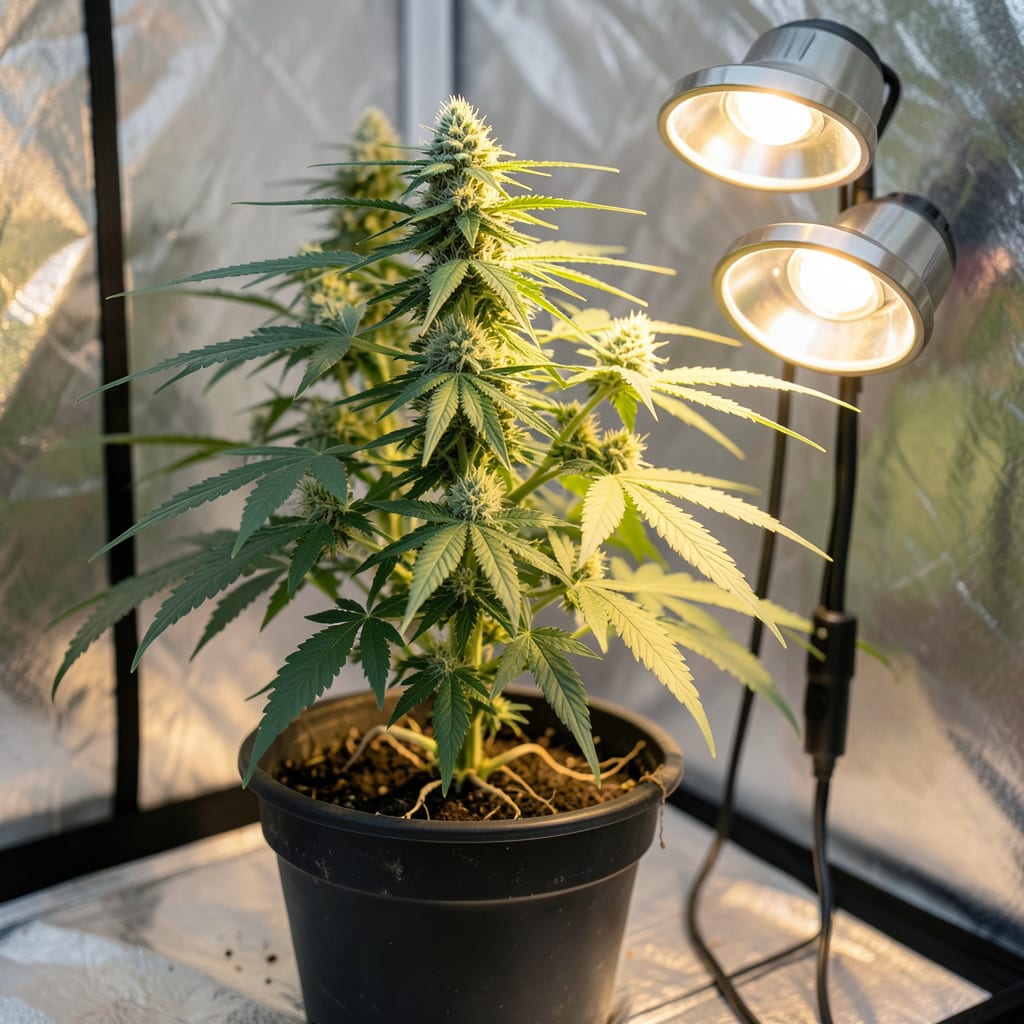
Creating a thriving Mother Plant 🌱 begins with understanding its light requirements. Proper lighting is crucial for healthy growth and successful cloning, especially in USDA Zone 6 where spring planting is key.
I’ll guide you through the essential lighting needs for your Mother Plant, including ideal spectrum, duration, and intensity. Let’s explore how to create optimal conditions for your plant to flourish.


Understanding the specific light needs of mother plants is crucial for their healthy growth and successful cloning. Mother plants require a balanced light spectrum that promotes vigorous growth and prevents stretching or weakening.
The ideal light spectrum for mother plants typically includes a mix of blue and red wavelengths. Blue light encourages vegetative growth and compact development, while red light supports overall plant health and photosynthesis. A balanced spectrum with a PAR (Photosynthetic Active Radiation) of 400-700 μmol/s is generally recommended 🌿.
When it comes to light intensity, mother plants generally thrive under bright indirect light. Direct sunlight can be too intense and may cause leaf scorch or stress. For indoor growing, placing mother plants near a south-facing window or using supplemental LED grow lights can provide the necessary light intensity without the risk of direct sun damage 🌞.
The distance between the light source and the mother plant is also critical. If the light is too far away, the plant may not receive enough intensity, leading to weak growth. Conversely, if the light is too close, it can cause overheating or light stress. A general guideline is to maintain a distance of 12-24 inches between the light source and the top of the plant 🌟.
Monitoring the plant’s response to the light conditions is essential. Adjustments may be necessary based on the plant’s growth stage, variety, and environmental conditions. Regularly checking for signs of optimal light reception, such as robust growth and healthy leaf color, can help in fine-tuning the lighting setup 🌱.
By providing the right light spectrum and intensity, you can ensure that your mother plants remain healthy and productive, ultimately leading to successful cloning and propagation 🔥.
To further optimize your lighting setup, consider using LED grow lights with adjustable spectrum and intensity controls. This allows you to tailor the lighting to the specific needs of your mother plants at different growth stages, ensuring they receive the best possible care 🌟.
Additionally, maintaining a consistent light schedule is vital for the stability and health of mother plants. Avoid frequent changes in lighting conditions, as this can cause stress and negatively impact plant vigor 💡.
In summary, the key to successful mother plant cultivation lies in understanding and providing the optimal light spectrum and intensity. By doing so, you can promote healthy growth, enhance cloning success, and ensure a robust supply of cuttings for propagation 🌿.
For more detailed information on optimizing light conditions for mother plants, consider exploring resources on horticultural lighting and plant physiology. These can provide valuable insights into the specific needs of your plants and help you make informed decisions about your lighting setup 📚.
The duration of light exposure plays a critical role in the health and productivity of mother plants. Understanding how different light durations affect plant growth is essential for successful cloning and propagation 🌱.
Mother plants generally require a long photoperiod during their vegetative stage to promote healthy growth and development. A light duration of 18-24 hours is typically recommended to keep the plants in a state of continuous growth, maximizing their vigor and clone production 🔥.
Maintaining a consistent light schedule is crucial for mother plant health. Sudden changes in light duration can cause stress, negatively impacting plant vigor and clone viability.
While a long photoperiod is beneficial during the vegetative stage, it’s essential to consider the specific needs of different plant varieties. Some plants may require a slightly shorter light duration to thrive, so it’s crucial to research the optimal light schedule for your specific mother plants 📚.
One of the key benefits of maintaining an optimal light duration is the promotion of robust root development in cuttings taken from mother plants. When mother plants receive the right amount of light, they produce healthier and more vigorous growth, which translates to better rooting success when clones are taken 🌿.
It’s also worth noting that light duration can influence other environmental factors, such as temperature and humidity, around your mother plants. For example, longer light exposure can lead to increased temperatures, which may require adjustments to your cooling or ventilation systems to maintain optimal growing conditions 🌡️.
To achieve the desired light duration, growers can use a combination of natural light and supplemental lighting. For indoor setups, LED grow lights with adjustable timers are particularly useful, allowing for precise control over the light schedule ⏰.
By carefully managing the light duration for your mother plants, you can create an optimal growing environment that supports their health and maximizes their potential for successful cloning and propagation 🌟.
Regular monitoring of your mother plants’ response to the light duration is essential. Look for signs of optimal growth, such as healthy leaf color and vigorous stem elongation, and adjust the light schedule as needed to maintain the best possible conditions 🌱.
In summary, understanding and managing light duration is a critical aspect of caring for mother plants. By providing the right light duration, you can promote healthy growth, enhance clone viability, and ensure a consistent supply of high-quality cuttings for propagation 🌿.
When cultivating mother plants, it’s essential to be aware of common lighting mistakes that can negatively impact their health and cloning success. One of the most critical errors is providing inconsistent light schedules, which can cause stress and reduce plant vigor 🌱.
Another common mistake is using inadequate light intensity. Mother plants require bright indirect light to promote healthy growth and development. Insufficient light can lead to weak and leggy growth, making it challenging to produce high-quality clones 🔥.
Avoid placing mother plants in areas with direct sunlight, as it can cause leaf scorch and stress. Instead, opt for bright indirect light or use supplemental LED grow lights to provide the necessary light intensity.
Incorrect light spectrum is another mistake to avoid. Mother plants benefit from a balanced spectrum that includes blue and red wavelengths. Blue light promotes vegetative growth, while red light supports photosynthesis and overall plant health 🌿.
It’s also crucial to maintain an optimal distance between the light source and the mother plant. If the light is too far away, the plant may not receive enough intensity, leading to weak growth. Conversely, if the light is too close, it can cause overheating or light stress 🌟.
To avoid these common lighting mistakes, ensure that your mother plants receive a consistent light schedule, adequate light intensity, and a balanced light spectrum. By doing so, you can promote healthy growth, enhance cloning success, and maintain a robust supply of high-quality cuttings for propagation 🔥.
Regularly monitoring your mother plants’ response to their lighting conditions is vital. Look for signs of optimal light reception, such as robust growth and healthy leaf color, and adjust your lighting setup as needed to maintain the best possible conditions 🌱.
In summary, being aware of and avoiding common lighting mistakes is crucial for the successful cultivation of mother plants. By providing the right lighting conditions, you can ensure the health and productivity of your plants, ultimately leading to successful cloning and propagation 🌿.
Mother plants typically require 18-24 hours of light during their vegetative stage to promote healthy growth and development. This long photoperiod helps maximize their vigor and clone production. Using LED grow lights with adjustable timers can help achieve this.
Mother plants thrive under bright indirect light with a PAR of 400-700 μmol/s. Direct sunlight can be too intense and may cause leaf scorch or stress. Placing them near a south-facing window or using supplemental LED grow lights can provide the necessary intensity.
A balanced spectrum with blue and red wavelengths is ideal. Blue light encourages vegetative growth and compact development, while red light supports overall plant health and photosynthesis. LED grow lights with adjustable spectrum controls can help tailor the lighting to the specific needs of your mother plants.
Maintain a distance of 12-24 inches between the light source and the top of the plant. If the light is too far away, the plant may not receive enough intensity, leading to weak growth. If it’s too close, it can cause overheating or light stress. Regular monitoring can help fine-tune this distance.
