
Beautiful Plants For Your Interior
Beautiful Plants For Your Interior
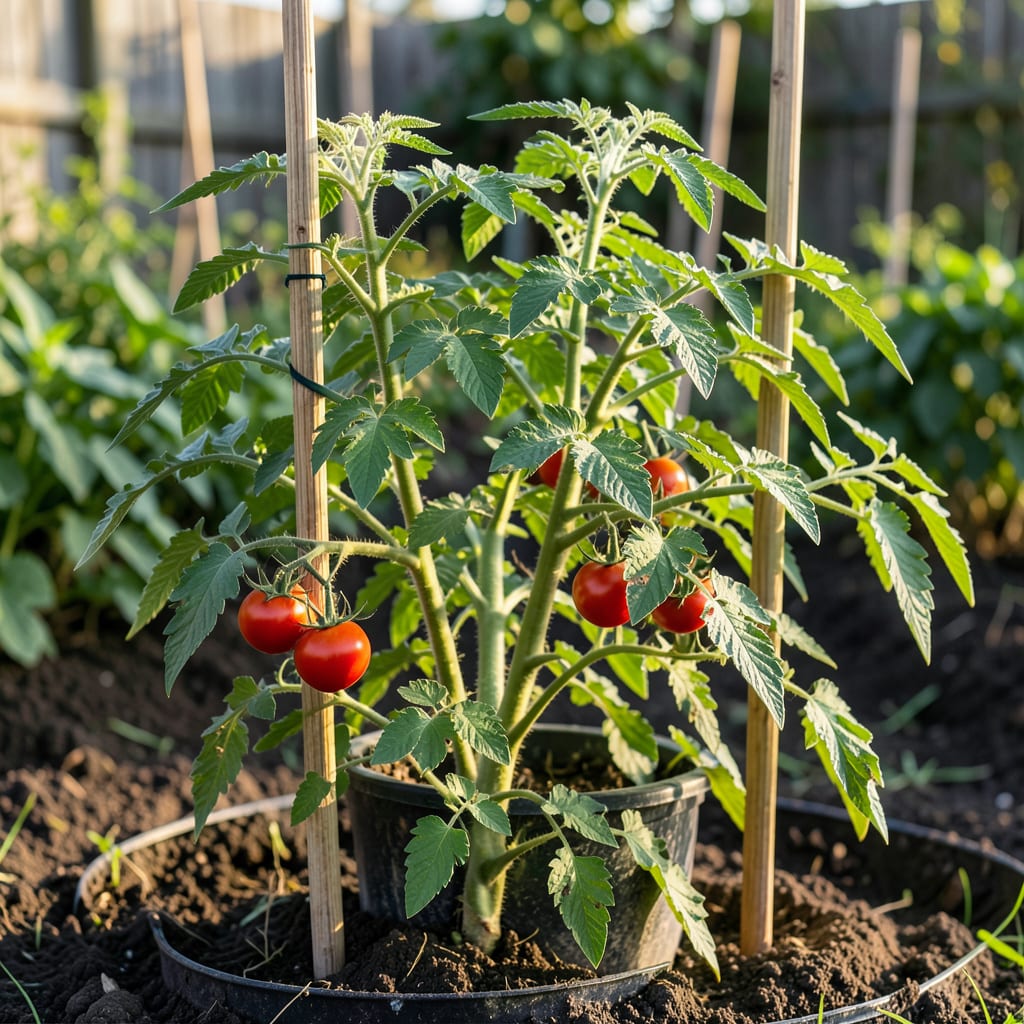
Growing healthy Tomato 🍅 plants requires understanding their light requirements. In USDA Zone 6, where I live, these plants thrive with the right amount of sunlight during their growing season from May to June.
Let’s explore how much light your Tomato plants really need to flourish and what happens if they don’t get enough.


Tomato plants need adequate light to grow and produce fruit. In general, they require 6+ hours of direct sunlight per day. This is considered full sun, which is essential for optimal growth and fruit production 🌞.
The amount of light tomato plants need can vary depending on the variety and growing conditions. However, most tomato plants require at least 6 hours of direct sunlight per day. If you’re growing tomatoes in a container,
When growing tomatoes, it’s essential to consider the light level and duration. Tomato plants need consistent light to produce well, so ensure they’re not shaded by other plants or structures 🌿.
Insufficient light can lead to weak and spindly growth, while excessive light can cause sunscald on the fruit. Monitoring your plants’ response to light is crucial for optimal growth 📝.
To optimize light conditions, you can rotate containers regularly to ensure even light distribution. If you’re growing indoors, supplemental lighting like LED grow lights can help provide the necessary light intensity 💡.
Understanding the light requirements of tomato plants is the first step in creating an optimal growing environment. By providing the right amount of light, you can promote healthy growth and maximize your harvest 🌟.
Tomato plants are warm-season crops that thrive in temperatures between 65°F and 85°F. They require consistent moisture and adequate nutrients to produce well. By understanding their light requirements, you can create a comprehensive growing plan that meets their needs 🌿.
In the next section, we’ll explore practical tips for optimizing light conditions for tomato plants. By maximizing natural light and using supplemental lighting effectively, you can promote healthy growth and maximize your harvest 🌞.
Optimizing light conditions involves more than just providing the right amount of light. It also requires careful consideration of light intensity and duration. By understanding these factors, you can create an optimal growing environment for your tomato plants 📊.
By following these guidelines and understanding the light requirements of tomato plants, you can enjoy a bountiful harvest of delicious, homegrown tomatoes 🍅.
To optimize light conditions for tomato plants, it’s essential to understand that they require 6+ hours of direct sunlight daily. This can be achieved by placing them in a location that receives full sun 🌞.
When growing tomatoes in containers, rotation is key to ensuring even light distribution. Rotate containers regularly to prevent uneven growth and promote healthy development 🌱.
For indoor tomato plants, consider using supplemental lighting like LED grow lights to provide the necessary light intensity 💡.
Supplemental lighting can be particularly useful during periods of low sunlight or when growing tomatoes indoors. LED grow lights are a popular choice due to their energy efficiency and ability to provide the necessary light spectrum for plant growth 🌟.
In addition to providing adequate light, it’s also important to be aware of the potential risks associated with excessive light. Sunscald is a common issue that can occur when tomato plants receive too much direct sunlight ☀️.
To mitigate this risk, ensure that your tomato plants have some afternoon shade, especially during the hottest part of the day. This can help prevent sunscald and promote healthy fruit development 🌿.
By understanding the light requirements of tomato plants and taking steps to optimize light conditions, you can promote healthy growth and maximize your harvest 🍅.
Regularly monitoring your plants’ response to light and making adjustments as needed is crucial for optimal growth. By following these guidelines, you can create an optimal growing environment for your tomato plants 📊.
Inadequate light can have significant consequences for tomato plants, affecting their growth and productivity. When tomato plants don’t receive sufficient light, they may become leggy and produce fewer fruits 🌿.
On the other hand, excessive light can cause sunscald on the fruit, leading to reduced quality and yield ☀️.
To avoid these consequences, it’s essential to provide tomato plants with the right amount of light. This can be achieved by placing them in a location that receives full sun or using supplemental lighting like LED grow lights 💡.
Monitoring your plants’ response to light and making adjustments as needed is crucial for optimal growth. By understanding the light requirements of tomato plants, you can create an optimal growing environment that promotes healthy growth and maximizes yield 🌟.
Regular monitoring of your tomato plants will help you identify any potential issues related to light. By taking corrective measures, you can prevent problems and ensure a bountiful harvest 🍅.
In conclusion, understanding the consequences of inadequate light for tomato plants is crucial for optimal growth and productivity. By providing the right amount of light and monitoring your plants’ response, you can promote healthy growth and maximize your harvest 🌞.
Tomato plants require at least 6 hours of direct sunlight per day for optimal growth and fruit production. This is considered full sun and is essential for healthy development .
While tomato plants can grow in partial shade, they won’t produce as much fruit as they would in full sun. If you must grow them in shade, choose varieties that are specifically bred for partial shade conditions .
Rotating containers regularly is key to ensuring even light distribution. This prevents uneven growth and promotes healthy development. For indoor plants, consider using supplemental lighting like LED grow lights .
Insufficient light can lead to weak and spindly growth, while excessive light can cause sunscald on the fruit. Monitoring your plants’ response to light is crucial for optimal growth .
