
Beautiful Plants For Your Interior
Beautiful Plants For Your Interior
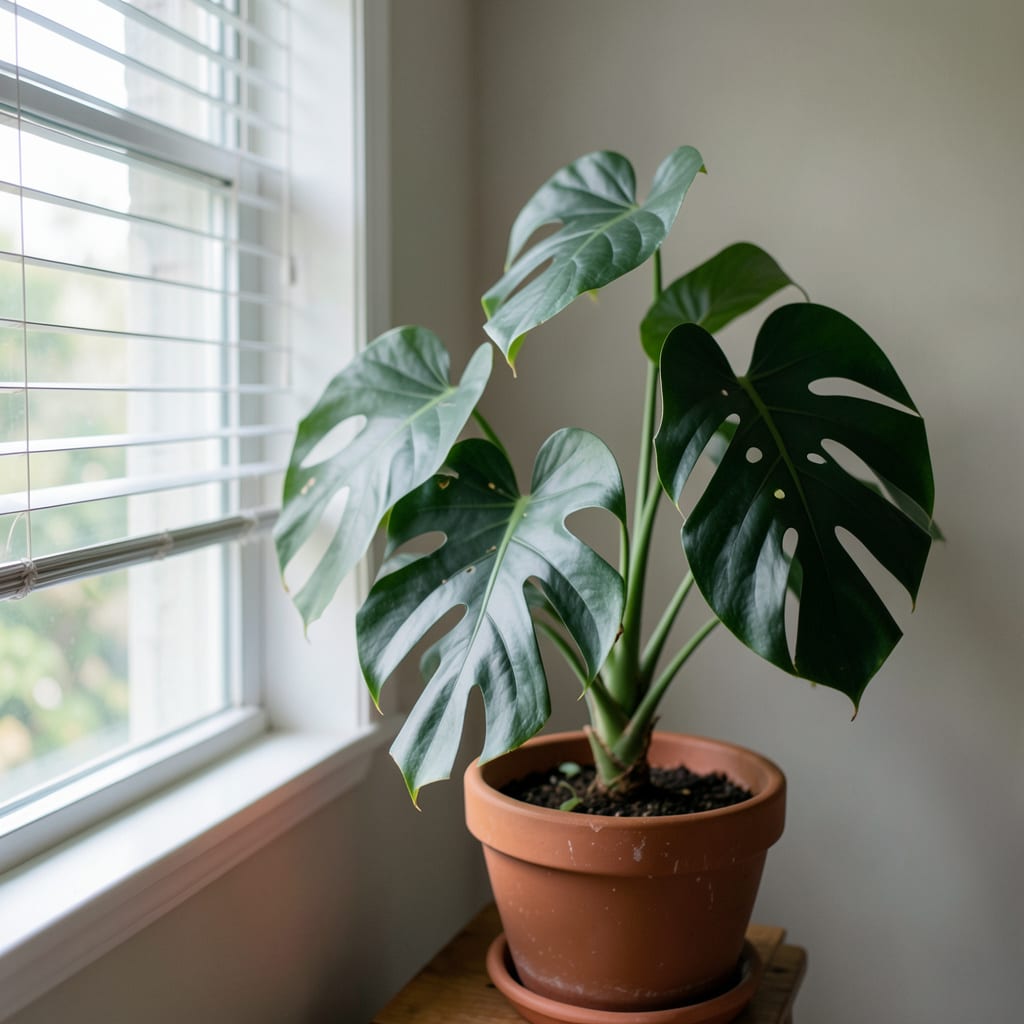
I still remember struggling to keep my Swiss Cheese Plant 🌱 thriving until I discovered the secret to its lighting needs. Too little light, and it becomes leggy; too much, and it scorches. Finding that perfect balance is crucial.
Let’s explore how to provide your Swiss Cheese Plant with the right amount of light to keep it happy and healthy in your USDA Zone 10 environment. I’ll share practical tips to ensure it gets just what it needs.

Swiss Cheese Plants are known for their stunning foliage, but getting their lighting right is crucial for maintaining that signature look. The right amount of light ensures healthy growth and prevents issues like leggy stems or scorched leaves.
I recommend providing your Swiss Cheese Plant with bright indirect light for optimal growth. This means placing it near an east or west-facing window where it can receive 4-6 hours of filtered sunlight daily 🌞.
When it comes to light, Swiss Cheese Plants are quite particular. They thrive in conditions that mimic their natural habitat – the dappled light of a tropical forest. This means they need bright light but not direct sunlight, which can cause damage.
One of the key factors to consider is the intensity of the light. While they can tolerate some direct sun, too much can lead to scorched leaves. On the other hand, too little light can result in leggy growth and a loss of the plant’s characteristic fenestration.
To achieve the perfect balance, I suggest placing your Swiss Cheese Plant in a spot where it can receive filtered sunlight. This can be achieved by using a sheer curtain to diffuse the light or by placing the plant a few feet away from the window. This setup allows the plant to receive the right amount of light without the risk of damage.
Another important consideration is the duration of light exposure. Swiss Cheese Plants need a consistent 4-6 hours of light per day. This duration supports healthy growth and encourages the development of new leaves with the characteristic holes and tears that give the plant its name.
It’s also worth noting that supplemental lighting can be beneficial, especially during the winter months when natural light is scarce. Using grow lights can help maintain the optimal light conditions and keep your Swiss Cheese Plant thriving year-round.
By understanding and meeting the light requirements of your Swiss Cheese Plant, you can enjoy a lush, healthy plant with beautiful foliage. Remember, the key is bright indirect light for 4-6 hours a day 🌿.
In my experience, monitoring your plant’s response to its lighting conditions is crucial. If you notice the leaves becoming too pale or the stems stretching too much, it may be a sign that the light conditions need adjustment.
Overall, providing the right light conditions is a critical aspect of caring for your Swiss Cheese Plant. By following these guidelines, you can create an optimal environment for your plant to flourish.
With the right lighting, your Swiss Cheese Plant will reward you with vibrant, healthy growth and stunning foliage. So, take a moment to assess your plant’s lighting needs and make any necessary adjustments to ensure it continues to thrive 🌟.
Swiss Cheese Plants are known for their stunning foliage, but their lighting needs are quite specific. Understanding how different light conditions affect these plants is crucial for maintaining their health and beauty.
The impact of various lighting conditions on Swiss Cheese Plants can be significant. Let’s explore how different light conditions can affect these plants and what you can do to ensure they thrive.
Bright indirect light is ideal for Swiss Cheese Plants. This type of lighting provides the necessary energy for photosynthesis without causing damage to the leaves. In their natural habitat, these plants thrive under the dappled light of tropical forests, making bright indirect light a perfect mimic.
On the other hand, direct sunlight can be harmful. While some direct sun is tolerable, too much can lead to scorched leaves. If you notice the leaves developing brown or crispy edges, it may be a sign that the plant is receiving too much direct sunlight.
Low light conditions are also not ideal. Swiss Cheese Plants can survive in low light, but they won’t thrive. In low light, the plants may become leggy as they stretch towards the light source, and the leaves may lose their characteristic fenestration.
To ensure your Swiss Cheese Plant gets the right amount of light, consider using sheer curtains to filter the sunlight. This can help diffuse the light and prevent direct sun from damaging the leaves.
Another option is to place your plant a few feet away from the window. This can help achieve the perfect balance of light without the risk of scorching the leaves.
Monitoring your plant’s response to its lighting conditions is crucial. If you notice any adverse effects, such as leggy growth or scorched leaves, adjust the lighting accordingly.
By understanding the impact of different light conditions on your Swiss Cheese Plant, you can create an optimal environment for it to flourish. With the right lighting, your plant will reward you with vibrant, healthy growth and stunning foliage 🌿.
To keep your Swiss Cheese Plant thriving, it’s essential to provide it with the right amount of light. I recommend placing it near an east or west-facing window where it can receive 4-6 hours of bright indirect light daily 🌞.
Use sheer curtains to filter direct sunlight and prevent scorching your plant’s leaves. This simple trick can make a big difference in maintaining the health and beauty of your Swiss Cheese Plant 🌿.
One effective way to ensure your Swiss Cheese Plant gets the right light is by using supplemental lighting. During the winter months or in rooms with limited natural light, grow lights can be a game-changer. They help maintain the optimal light conditions, supporting healthy growth and development.
When positioning your Swiss Cheese Plant, consider the direction of the window. An east or west-facing window is ideal as it provides the right amount of indirect light. Avoid south-facing windows unless you can filter the light, as they can be too intense.
It’s also important to monitor your plant’s response to its lighting conditions. If you notice the leaves becoming too pale or the stems stretching too much, it may be a sign that the light conditions need adjustment. On the other hand, if the leaves are getting scorched, you might need to reduce the intensity of the light.
By following these tips and providing your Swiss Cheese Plant with the right amount of light, you’ll be rewarded with vibrant, healthy growth and stunning foliage. Remember, the key is bright indirect light for 4-6 hours a day 🌟.
In my experience, being attentive to your plant’s needs and making necessary adjustments is crucial. With the right care and lighting, your Swiss Cheese Plant will continue to thrive and be a beautiful addition to your home.
Overall, providing optimal light to your Swiss Cheese Plant is a critical aspect of its care. By understanding its needs and taking the right steps, you can enjoy a lush, healthy plant with beautiful foliage 🌱.
No, Swiss Cheese Plants prefer bright indirect light. Direct sunlight can cause scorched leaves and damage the plant. It’s best to place them near an east or west-facing window where they can receive filtered sunlight .
Swiss Cheese Plants require 4-6 hours of bright indirect light per day. This duration supports healthy growth and encourages the development of new leaves with characteristic fenestration .
If your Swiss Cheese Plant receives too little light, it may become leggy as it stretches towards the light source. The leaves may also lose their characteristic fenestration. Consider using grow lights to supplement the natural light during periods of low sunlight .
Yes, grow lights can be beneficial for Swiss Cheese Plants, especially during winter months or in rooms with limited natural light. They help maintain optimal light conditions, supporting healthy growth and development .
