
Beautiful Plants For Your Interior
Beautiful Plants For Your Interior
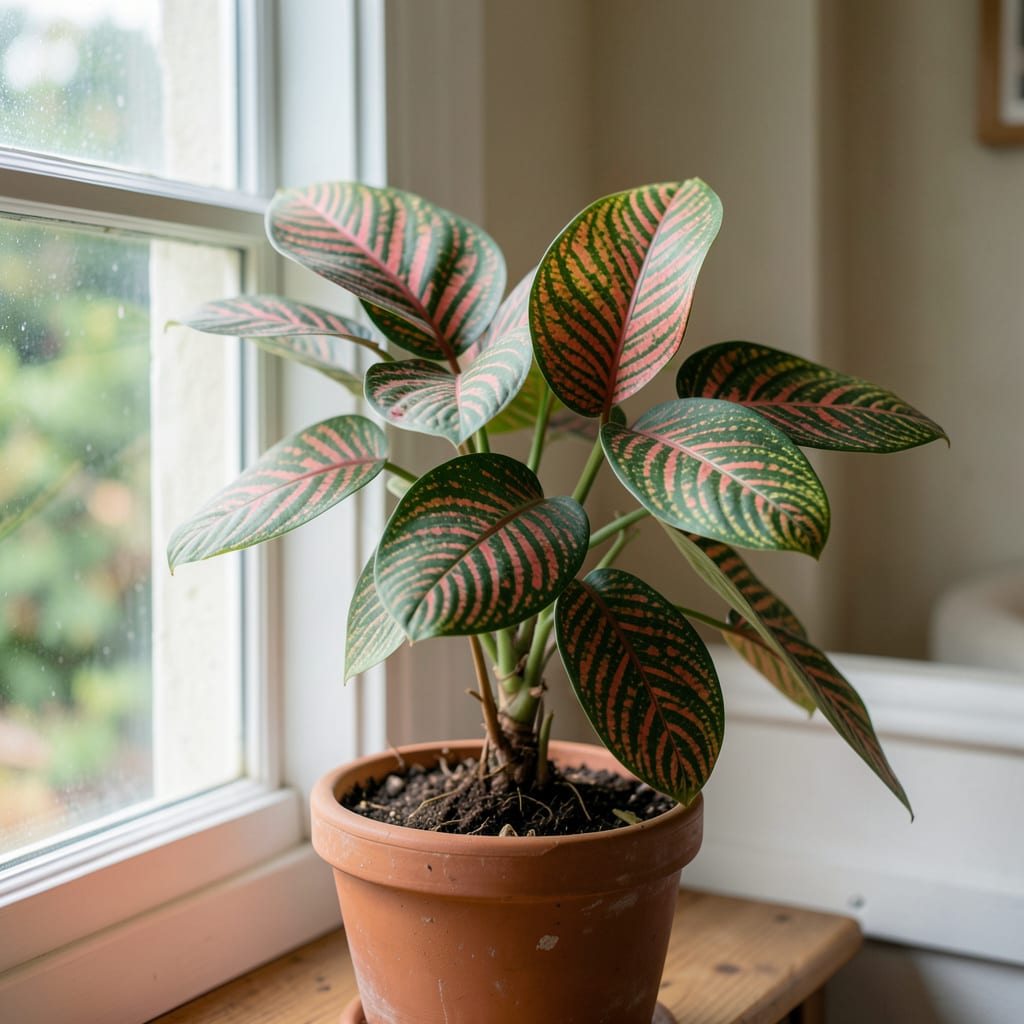
As a plant enthusiast, I’ve learned that Prayer Plants 🪴 thrive in bright, indirect light. But what does that really mean for your home?
Finding the right balance is key – too little light can cause fading, while too much can lead to scorching. Let’s explore the optimal lighting conditions to keep your Prayer Plant healthy and vibrant.

I find that Prayer Plants are quite particular about their lighting needs. They require bright, indirect light to thrive, which can be a bit tricky to achieve, especially in homes with limited natural light.
The ideal lighting conditions for Prayer Plants involve 4-6 hours of bright, indirect light per day. This can be achieved by placing them near an east- or west-facing window, where they can receive gentle, filtered sunlight 🌞.
It’s worth noting that Prayer Plants can tolerate some direct sunlight, but it’s essential to avoid harsh, direct sun, especially during peak hours, as it can cause leaf scorch and damage the plant 🌟.
To provide the best lighting for your Prayer Plant, you can also consider using artificial lighting, such as LED grow lights, which can supplement natural light and ensure your plant receives the right amount of light 💡.
In my experience, Prayer Plants are quite adaptable to different lighting conditions, but they do best in bright, indirect light. By providing the right lighting, you can enjoy the beautiful foliage and unique leaf movements of your Prayer Plant for years to come 🪴.
When it comes to lighting duration, Prayer Plants prefer consistent light throughout the day. Avoid placing them in areas with dramatic changes in lighting, as this can cause stress to the plant 🔍.
If you’re unsure about the lighting needs of your Prayer Plant, start by observing the natural light in your home. You can then adjust the placement of your plant accordingly to ensure it receives the right amount of light 📊.
By understanding the specific lighting needs of your Prayer Plant, you can create an optimal environment for it to thrive. This includes providing the right type and duration of light, as well as avoiding common mistakes that can damage the plant 🌿.
In the next section, we’ll explore some practical tips on placing Prayer Plants in homes, including window orientation and artificial lighting options 🔜.
I find that placing Prayer Plants in the right spot indoors can make all the difference in their health and vibrancy. To provide the best lighting, you should consider the orientation of your windows and the type of artificial lighting you can use 🌞.
For optimal growth, Prayer Plants need bright, indirect light. An east- or west-facing window is ideal as it provides gentle, filtered sunlight. This orientation helps maintain the plant’s vibrant colors and promotes healthy growth 🌟.
Use sheer curtains to filter direct sunlight and prevent leaf scorch. Consider LED grow lights for additional support, especially during winter months when natural light is limited 🌿.
When using artificial lighting,
Avoid placing Prayer Plants in areas with low light as it can cause leggy growth and reduce the plant’s vibrant colors. If you notice your plant stretching towards the light, it’s likely not getting enough 🌟.
By providing the right lighting conditions and being mindful of potential issues, you can enjoy your Prayer Plant’s beautiful foliage and unique leaf movements for a long time 🪴.
To further optimize your plant’s lighting, consider rotating it every few days to ensure even light distribution. This simple step can make a significant difference in maintaining its health and appearance 🔄.
By following these tips and being aware of your plant’s needs, you can create an ideal environment for your Prayer Plant to thrive and flourish 🌼.
I always keep a close eye on my Prayer Plant’s leaves for signs of improper lighting. If the leaves start to fade or become discolored, it may be a sign that the plant is receiving too much or too little light 🌟.
If you notice your Prayer Plant is getting too little light, consider moving it to a brighter location or supplementing with artificial lighting. On the other hand, if it’s receiving too much light, try moving it to a spot with filtered sunlight or using sheer curtains to diffuse the light 🌞.
In my experience, Prayer Plants are quite sensitive to lighting conditions. By monitoring their response to light and making adjustments as needed, you can ensure they remain healthy and thrive 🪴.
To further optimize your plant’s lighting, consider the time of year and adjust accordingly. During winter months, when natural light is limited, you may need to provide additional support with LED grow lights ❄️.
By being aware of the signs of improper lighting and taking corrective action, you can help your Prayer Plant flourish and enjoy its beautiful foliage for years to come 🌼.
Remember, finding the right balance of light is crucial for your Prayer Plant’s health. With a little observation and adjustment, you can create an ideal environment for your plant to thrive 🌟.
By following these guidelines and being mindful of your plant’s needs, you can enjoy the unique beauty of your Prayer Plant and keep it healthy and vibrant 🪴.
An east- or west-facing window is perfect for Prayer Plants as it provides bright, indirect light. This direction offers gentle, filtered sunlight that promotes healthy growth and maintains the plant’s vibrant colors .
While Prayer Plants can handle some direct sunlight, it’s best to avoid harsh, direct sun during peak hours to prevent leaf scorch. Using sheer curtains can help filter the light and protect the plant .
Prayer Plants require 4-6 hours of bright, indirect light per day for optimal growth. You can supplement natural light with LED grow lights, especially during winter months when daylight is limited .
Watch for signs like leggy growth or pale leaves (too little light), and leaf scorch or brown spots (too much light). Adjust the plant’s position or lighting accordingly to maintain its health .
