
Beautiful Plants For Your Interior
Beautiful Plants For Your Interior
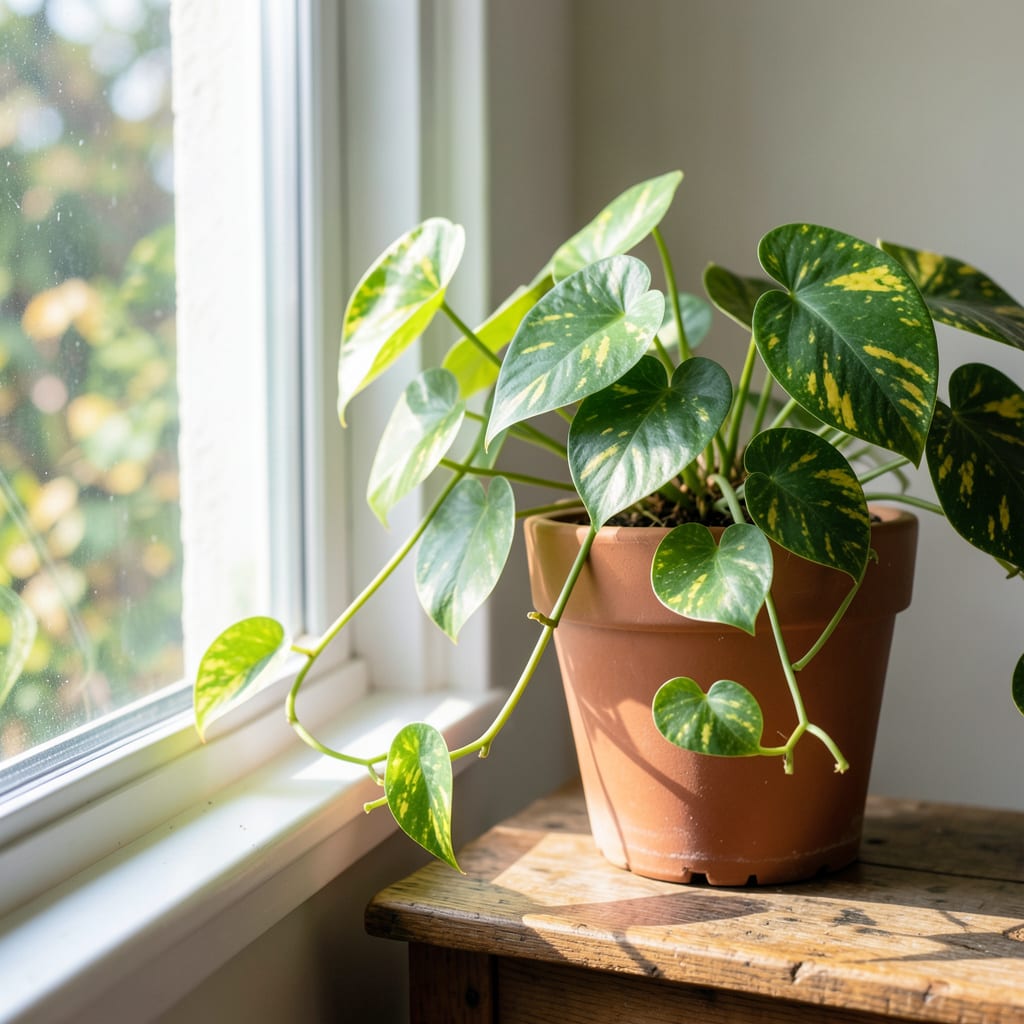
I’ve struggled with keeping my 🌱 Pothos thriving in different lighting conditions. Too little light can cause leggy growth, while too much can lead to damage. Finding the right balance is crucial for this popular houseplant.
Let’s explore the ideal light requirements for Pothos plants and how to provide them with the perfect amount of light to keep them healthy and flourishing in your home or office.

Pothos plants are known for their adaptability to various lighting conditions, making them a popular choice for indoor gardening. However, understanding their ideal light requirements is crucial for optimal growth and health.
The light needs of Pothos plants can vary, but they generally thrive in bright indirect light. This means they can do well near an east or west-facing window where they receive 2-4 hours of indirect light daily.
The ideal lighting for Pothos is often described as medium to bright indirect light. This allows the plant to maintain its vibrant color and promotes healthy foliage. In low light conditions, Pothos can survive but may exhibit slower growth and less intense variegation 🌿.
It’s essential to note that while Pothos can tolerate low light, it’s not ideal for long-term health. Prolonged exposure to insufficient light can lead to leggy growth as the plant stretches towards available light sources.
On the other hand, direct sunlight should be avoided as it can cause leaf scorch and damage the plant. If you notice your Pothos developing brown spots or yellowing leaves, it may be receiving too much direct light 🔥.
To provide the best light for your Pothos, consider placing it near an east or west-facing window. These directions offer gentle, indirect light that is ideal for Pothos plants. If this isn’t possible, filtered light through a sheer curtain can also work well.
In addition to natural light, Pothos can also thrive under artificial lighting. Using LED grow lights or fluorescent lights can supplement natural light, especially in spaces with limited window exposure. This makes Pothos an excellent choice for office spaces or rooms with limited natural light 💡.
When using artificial lighting, ensure that the lights are not too intense, as this can also cause damage. A general rule is to keep the lights at least 6-12 inches away from the plant to prevent overheating or light stress.
Observing your Pothos’s response to its lighting conditions is key. If the leaves are a deep green and the plant is growing steadily, it’s likely receiving the right amount of light. Conversely, if the leaves are pale or the stems are stretching, adjustments may be needed 🔍.
By understanding and providing the appropriate light conditions, you can enjoy a thriving Pothos plant with lush, vibrant foliage. Remember, while Pothos is adaptable, bright indirect light remains the ideal condition for optimal growth and health 🌟.
In conclusion, Pothos plants are versatile and can adapt to various lighting conditions, but they truly thrive in bright indirect light. By choosing the right spot or supplementing with artificial light, you can keep your Pothos healthy and flourishing 🌱.
I find that Pothos plants can thrive in various home settings, making them a versatile choice for indoor gardening. The key is understanding how to provide the right amount of light in different environments 🌿.
When it comes to placing Pothos in your home, there are several factors to consider. Let’s explore some practical tips for different settings.
By considering these factors and adjusting the lighting accordingly, you can enjoy a healthy and thriving Pothos plant in any environment. Whether you’re using natural or artificial light, the key is to provide bright, indirect light for optimal growth 💡.
For office spaces or rooms with limited natural light, using artificial lighting can be a great solution. Pothos plants are adaptable and can do well in these conditions, making them an excellent choice for indoor spaces 🌟.
Pothos plants can experience several issues due to improper lighting. Recognizing these problems early is crucial for maintaining a healthy plant 🌱.
One common issue is leggy growth, which occurs when Pothos doesn’t receive enough light. The plant stretches towards the available light source, resulting in long, sparse vines. To fix this, you can either move the plant to a brighter location or supplement with artificial lighting 🔦.
Direct sunlight can cause leaf scorch and damage your Pothos. If you notice brown spots or yellowing leaves, it may be receiving too much direct light.
On the other hand, too much light can also be harmful. If your Pothos is exposed to direct sunlight, it may develop brown spots or yellowing leaves. To correct this, simply move the plant to a location with filtered or indirect light 🌞.
Another issue related to lighting is loss of variegation. If your Pothos is not receiving enough light, the variegated patterns on its leaves may fade. Increasing the light exposure can help restore the plant’s natural coloration 🌈.
To maintain optimal health, it’s essential to monitor your Pothos’s response to its lighting conditions. Adjust the lighting as needed to ensure your plant receives the right amount of bright, indirect light 💡.
By being aware of these common light-related problems and taking corrective action, you can keep your Pothos healthy and thriving. Regularly inspect your plant and make adjustments to its lighting to promote healthy growth and vibrant foliage 🌿.
Yes, Pothos can survive in low light, but it may not thrive. In low light, the plant may become leggy and lose some of its vibrant color. For optimal growth, it’s best to provide bright indirect light.
Pothos typically needs 2-4 hours of indirect light per day. Placing it near an east or west-facing window is ideal. This duration supports healthy growth and maintains the plant’s vibrant foliage.
Yes, Pothos can thrive under artificial lighting, such as LED grow lights or fluorescent lights. Keep the lights 6-12 inches away from the plant to prevent damage. This is a great option for spaces with limited natural light.
If your Pothos is getting too much light, it may develop brown spots or yellowing leaves. Too little light can cause leggy growth and loss of variegation. Adjust the lighting based on these signs to keep your Pothos healthy.
