
Beautiful Plants For Your Interior
Beautiful Plants For Your Interior
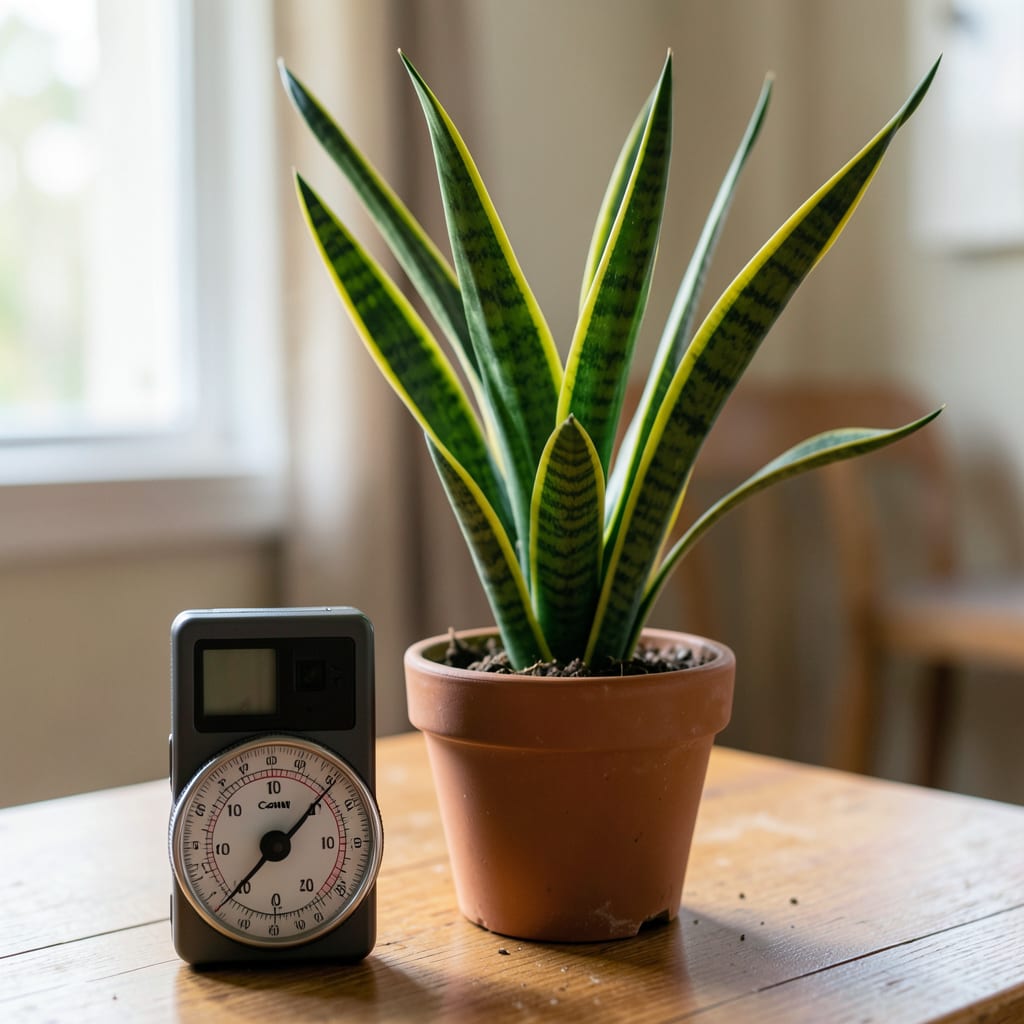
When it comes to keeping your 🌱 Plant healthy, light is one of the most critical factors. Too little or too much can make all the difference in its growth and survival.
In USDA Zone 6, understanding the right amount of light for your Plant is crucial, especially during spring when it’s most active. Let’s explore how to get it just right for optimal growth.

Different plants have varying light requirements based on their natural habitats and characteristics. Understanding these needs is crucial for providing optimal care. The amount of light a plant needs can significantly impact its growth and development 🌱.
Plants generally fall into three categories based on their light requirements: low light, medium light, and high light. Knowing which category your plant belongs to is the first step in ensuring it receives the right amount of light.
The light intensity and duration are both critical factors. While some plants thrive in direct sunlight, others prefer indirect light. For instance, plants like succulents and cacti require a lot of direct sunlight, whereas ferns and peace lilies do better in indirect light.
It’s also important to consider the natural habitat of the plant. Plants native to tropical regions often require more light compared to those from forest understories, which may thrive in lower light conditions.
Observing your plant’s response to light is key. If a plant is not getting enough light, it may become leggy or weak. Conversely, too much light can cause scorching or discoloration.
Understanding the specific light needs of your plants allows you to create an optimal environment for their growth. This knowledge can make a significant difference in their overall health and vitality 🌿.
By adjusting the light exposure according to the needs of your plants, you can promote healthy growth and vibrant foliage. This tailored approach ensures that each plant receives the appropriate amount of light for its specific requirements.
In conclusion, understanding and meeting the light requirements of your plants is essential for their well-being. By providing the right amount and type of light, you can help your plants thrive and enjoy a healthy, lush appearance 🌸.
Assessing the light conditions for your plants is crucial for their health and growth. Different plants have varying light requirements, and understanding these needs is key to providing optimal care 🌿.
To determine the right amount of light, consider the type of light and the duration your plants receive. Most plants thrive in bright, indirect light, but some require direct sunlight for several hours a day.
Place plants near east- or west-facing windows for bright, indirect light. Avoid direct sunlight during peak hours to prevent scorching 🌞.
When evaluating light conditions, consider using a light meter to measure the intensity. This tool helps ensure your plants receive the appropriate amount of light for their needs.
Observing your plant’s response to light is also essential. If a plant is not getting enough light, it may become leggy or weak. Conversely, too much light can cause scorching or discoloration 🔥.
Adjusting the light exposure according to the needs of your plants can promote healthy growth and vibrant foliage. This tailored approach ensures that each plant receives the appropriate amount of light for its specific requirements.
By understanding and meeting the light requirements of your plants, you can help them thrive and enjoy a healthy, lush appearance 🌸.
In conclusion, determining the right amount of light for your plants involves assessing their specific needs and adjusting their environment accordingly. By doing so, you can ensure your plants receive the optimal light for healthy growth and development.
Light is a critical factor in plant health, and both insufficient and excessive light can cause problems. Understanding these issues helps you take corrective action to maintain your plants’ health 🌿.
When plants receive too little light, they may become leggy or weak, with elongated stems and smaller leaves. On the other hand, too much light can cause scorching or discoloration, leading to damaged leaves and stressed plants 🔥.
To address light-related issues, start by assessing your plant’s environment. Move plants to different locations to adjust their light exposure, or consider using grow lights to supplement natural light when necessary.
Monitoring your plant’s response to changes in light is crucial. Adjustments may be needed based on seasonal changes in natural light availability 🌞.
By understanding the light requirements of your plants and making appropriate adjustments, you can prevent common light-related problems and promote healthy, thriving plants.
Regularly checking your plants and making necessary adjustments ensures they receive the right amount of light for optimal growth and health 🌸.
In conclusion, being aware of and addressing light-related issues is key to maintaining the health and vitality of your plants. By providing the appropriate light conditions, you can help your plants flourish and enjoy a lush, vibrant appearance.
Check your plant’s leaves for signs of sufficient or insufficient light. If they’re getting enough light, they’ll be a healthy green color. If not, they may become leggy or discolored. You can also use a light meter to measure the intensity.
Yes, you can use grow lights to supplement natural light, especially during periods of low sunlight. LED grow lights are a popular choice as they’re energy-efficient and provide the necessary spectrum for plant growth.
How often should I adjust my plant’s light exposure? Adjust your plant’s light exposure seasonally as natural light changes. For example, move plants to brighter locations in winter and to shadier spots in summer. Monitor your plant’s response and adjust accordingly. Regular checks will help you make necessary adjustments.
Too much light can cause scorching or discoloration of leaves, leading to damaged plants. If you notice leaves becoming crispy or developing brown spots, it may be getting too much direct sunlight. Consider moving it to a spot with filtered or indirect light.
