
Beautiful Plants For Your Interior
Beautiful Plants For Your Interior
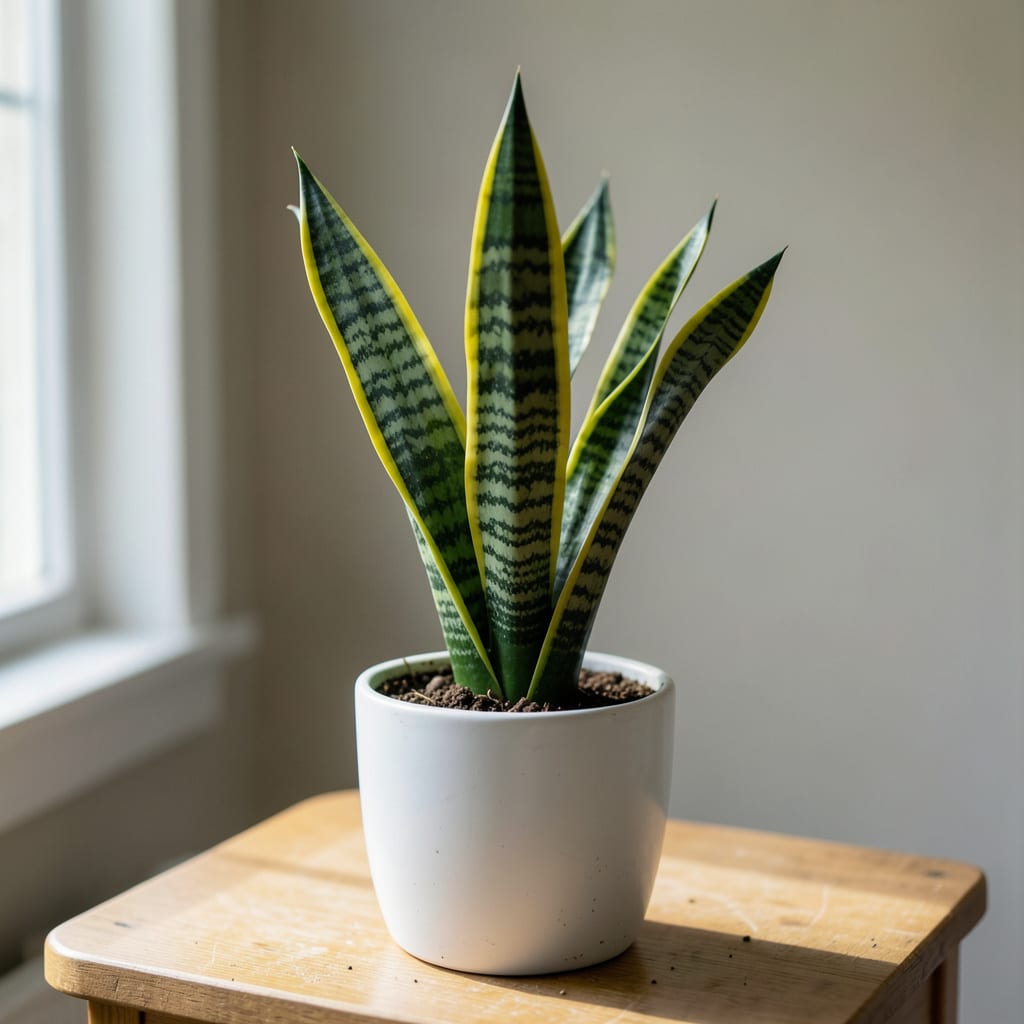
As a snake plant 🌿 owner, you’re probably wondering how much light your plant needs to thrive. The good news is that these low-maintenance plants can tolerate a range of lighting conditions.
But to keep your Snake Plant happy and healthy in USDA Zone 6, it’s essential to understand its ideal light requirements – let’s dive into the details and explore how to provide the perfect lighting for your plant.


Snake plants are known for their ability to thrive in various lighting conditions, making them a popular choice for indoor spaces. They can tolerate low light to bright, indirect light, but understanding their ideal lighting needs is crucial for optimal growth and health 🌱.
The ideal light condition for snake plants is bright, indirect light. This means they prefer light that is not directly hitting their leaves, which can cause burning. A north-facing window is often considered ideal as it provides gentle, indirect light throughout the day 🌞.
While snake plants can adapt to low light conditions, their growth may slow down, and they might become leggy as they stretch towards the light source. On the other hand, exposing them to direct sunlight can cause the leaves to become scorched 🔥.
It’s worth noting that snake plants are more forgiving than many other houseplants when it comes to lighting. They can survive in conditions with as little as 50-100 foot-candles of light, although they will do much in bright, indirect light 🌟.
To summarize, while snake plants are adaptable, providing them with bright, indirect light will promote the best growth and health. Understanding these lighting requirements is key to becoming a successful snake plant parent 💚.
For more specific guidance on caring for your snake plant, including tips on watering and fertilizing, be sure to check out our other articles on snake plant care 📚.
In the next section, we’ll explore how to determine if your snake plant is getting enough light and what signs to look out for 🔍.
By following these guidelines and understanding your snake plant’s lighting needs, you can help ensure it remains healthy and thrives in your care 🌿.
For further reading on snake plant care and other houseplants, visit our comprehensive guide on indoor plant care 📖.
By understanding and meeting your snake plant’s lighting requirements, you’ll be well on your way to becoming a skilled plant parent 👨🌾.
Understanding whether your snake plant is receiving sufficient light is crucial for its health and growth. Snake plants can adapt to various lighting conditions, but they still have specific needs that must be met 🌿.
One of the primary indicators of whether your snake plant is getting enough light is its appearance. If the plant is not receiving enough light, it may become leggy or weak, with leaves that are more stretched out than usual. Conversely, if the plant is exposed to too much light, the leaves may become bleached or develop burn marks 🔥.
If your snake plant is getting too little or too much light, it will show signs. Keep an eye out for yellowing leaves, leggy growth, or leaf burn as indicators that the lighting needs adjustment 🔍.
To ensure your snake plant is getting the right amount of light, you can also observe its growth rate and leaf color. Healthy snake plants typically have upright, vibrant leaves. If the leaves are a deep green and the plant is growing steadily, it’s likely receiving adequate light 🌟.
Adjusting the plant’s position or supplementing with grow lights can help achieve the ideal lighting conditions. For instance, if you notice your snake plant is not getting enough natural light, consider using LED grow lights to provide the necessary spectrum and intensity 💡.
By paying attention to these signs and making necessary adjustments, you can ensure your snake plant remains healthy and thrives. Proper lighting is a critical component of snake plant care, and with a little observation and adjustment, you can provide your plant with the light it needs to flourish 🌿.
For more tips on caring for your snake plant, including advice on watering and fertilizing, be sure to explore our other resources on houseplant care 📚.
By understanding and addressing your snake plant’s lighting needs, you’ll be well on your way to becoming a skilled plant parent, capable of nurturing your plant to its full potential 👨🌾.
To keep your snake plant thriving, it’s essential to optimize its lighting conditions. While they can tolerate various light levels, providing the right amount of light will promote healthy growth and prevent common issues 🌿.
One effective way to optimize light for your snake plant is by positioning it correctly. Placing your plant near a north-facing window is ideal, as it provides gentle, indirect light throughout the day. If this isn’t possible, consider using sheer curtains to filter direct sunlight and prevent leaf scorch 🌞.
Rotate your snake plant every 1-2 weeks to ensure even light distribution and prevent leaning 🔄.
Consider using LED grow lights to supplement natural light, especially during winter months when daylight hours are shorter 💡.
Keep an eye on your plant’s response to light and adjust its position accordingly to prevent leaf burn or leggy growth 🔍.
By implementing these strategies, you can create an optimal lighting environment for your snake plant, promoting healthy growth and maximizing its benefits as a low-maintenance houseplant 🌟.
For more detailed information on snake plant care, including tips on watering and fertilizing, be sure to explore our comprehensive guides on houseplant care 📚.
By optimizing the light for your snake plant and following these guidelines, you’ll be well on your way to becoming a skilled plant parent, capable of nurturing your plant to its full potential 👨🌾.
No, snake plants cannot survive in complete darkness. While they can tolerate low light conditions, they still need some light to photosynthesize and stay healthy. Placing them in a room with no windows or using them as decorations in dark areas isn’t recommended .
Rotate your snake plant every 1-2 weeks to ensure even light distribution and prevent leaning. This is especially important if your plant is placed near a window where light comes from one direction .
Yes, you can use LED grow lights to supplement natural light for your snake plant, especially during winter months when daylight hours are shorter. This can help maintain optimal growth and health .
If your snake plant is getting too much light, the leaves may become bleached or develop burn marks. If you notice these signs, consider moving the plant to a spot with filtered or indirect light to prevent further damage .
