
Beautiful Plants For Your Interior
Beautiful Plants For Your Interior
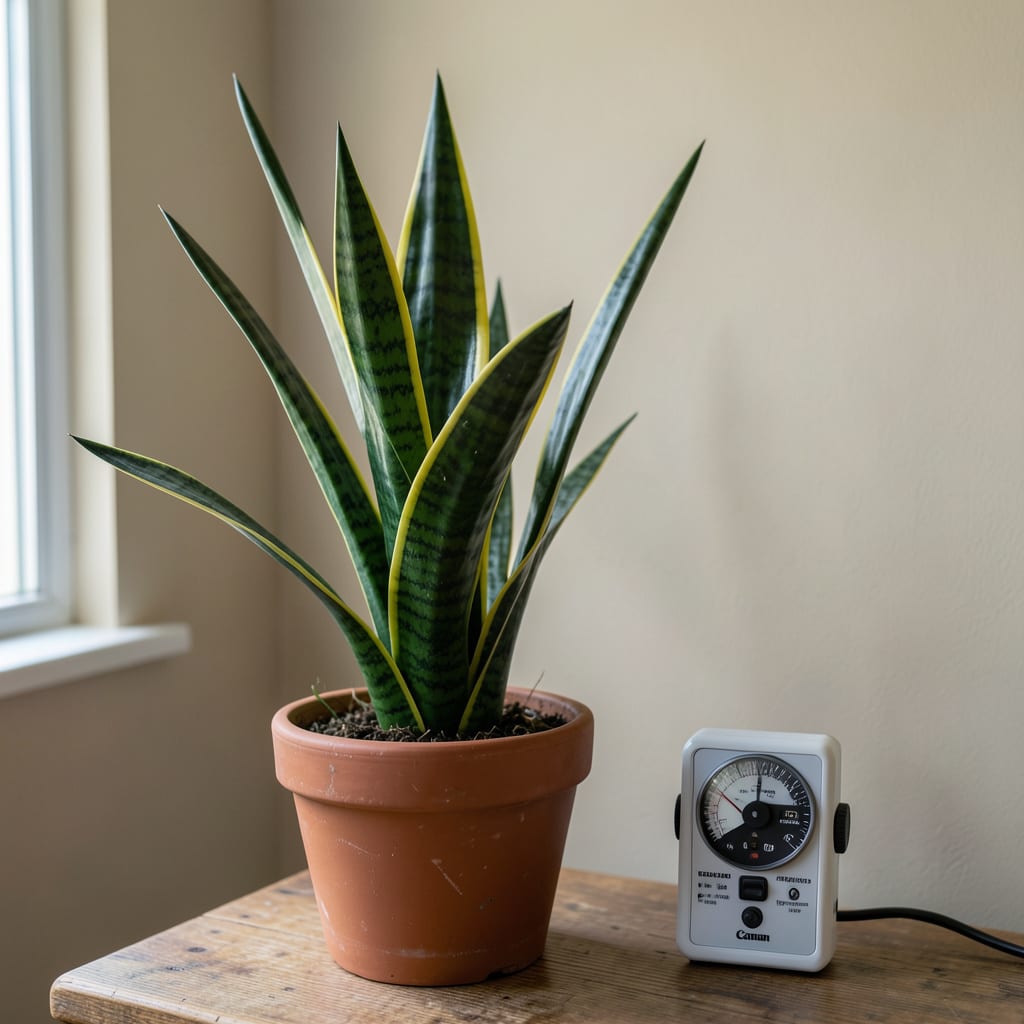
When it comes to keeping your General Plant 🌱 thriving, light is one of the most critical factors. Too little light can lead to weak growth, while too much can cause scorching – finding that perfect balance is key.
In USDA Zone 6, understanding your plant’s specific light needs during the spring growing season is essential. Let’s explore how to determine the right amount of light for your General Plant 🌱 and help it flourish.

Understanding your plant’s light requirements is the first step in creating an optimal growing environment. Different plants have varying needs when it comes to light exposure, ranging from low light conditions to full direct sunlight.
The amount of light your plant needs depends on its natural habitat and type. For instance, plants native to tropical regions typically require more light than those from shaded forest areas. Knowing your plant’s origin helps determine its light needs 🌿.
Most houseplants fall into the bright indirect light category, making them suitable for rooms with plenty of natural light but not direct sun exposure. Examples include popular plants like the Snake Plant and Spider Plant 🌱.
To determine your plant’s specific light needs, consider its natural habitat. Plants from tropical regions generally require more light than those from shaded areas. Researching your plant’s origin can provide valuable insights into its light requirements.
Observing your plant’s response to its current lighting conditions is also crucial. If it’s not getting enough light, it may exhibit signs such as leggy growth or pale leaves. Conversely, too much light can cause scorching or browning of the leaves ⚠️.
Different plants have different light requirements. For example, cacti and succulents generally require more direct sunlight than ferns and peace lilies. Understanding these differences is key to providing the right light for your plants.
The time of day also affects light intensity. Morning and afternoon sun is typically less intense than midday sun. Placing plants near east or west-facing windows can provide gentle, indirect light that’s ideal for many houseplants.
Artificial lighting can supplement natural light, especially during shorter winter days. LED grow lights are a popular choice for indoor gardening, as they provide the necessary spectrum for plant growth without generating excessive heat 💡.
Seasonal changes impact light availability. During winter months, days are shorter and light is less intense. You may need to adjust your plant’s position or supplement with artificial lighting to maintain optimal conditions.
Monitoring your plant’s response to light and making adjustments as needed is essential for its health and growth. By understanding and meeting your plant’s light needs, you can help it thrive and enjoy its beauty for years to come 🌸.
Measuring light for your plants is crucial to ensure they’re receiving the right amount of light for optimal growth. Different plants have varying light requirements, and understanding these needs is key to their health.
One effective way to measure light is by using a light meter. This tool provides an accurate reading of the light intensity in a specific area, helping you determine if it’s suitable for your plant 🌟.
When using a light meter, take readings at different times of the day to account for changing light conditions. This will give you a more comprehensive understanding of the light your plant receives.
Another method is to observe natural light patterns. Pay attention to how much direct sunlight your space receives throughout the day. East-facing windows get gentle morning sun, while west-facing windows receive softer afternoon sun 🌞.
Duration of light exposure is also important. Some plants require short days, while others need long days. Understanding your plant’s specific needs will help you provide the right conditions for it to thrive.
You can also use the shadow test to gauge light intensity. If your plant’s shadow is sharp and well-defined, it’s receiving direct sunlight. A fuzzy shadow indicates indirect light 🌫️.
For plants that require bright indirect light, placing them near an east or west-facing window is ideal. These windows provide the right amount of light without the harshness of direct sun.
When measuring light, consider the time of year. During winter months, the sun is lower in the sky, and days are shorter, affecting the amount and intensity of light your plant receives ❄️.
By accurately measuring and understanding your plant’s light needs, you can create an optimal growing environment that supports its health and growth, ensuring it thrives for years to come 🌱.
Once you’ve determined your plant’s light needs, the next step is to adjust its light exposure accordingly. This might involve moving the plant to a different location, using grow lights, or optimizing window placement to provide the right amount of light 🌞.
By implementing these strategies, you can create an optimal lighting environment that supports your plant’s health and growth, helping it thrive in its chosen location 🌱.
Different plants respond differently to light adjustments. For example, succulents and cacti can tolerate more direct sunlight, while ferns and peace lilies prefer shadier conditions. Understanding these differences is key to providing the best care.
Seasonal changes also play a role in light adjustment. During summer months, plants may need protection from intense sunlight, while in winter, they may require supplemental lighting to compensate for shorter days.
Monitoring your plant’s response to light adjustments is crucial. Watch for signs of too much or too little light, such as leaf scorch or leggy growth, and make further adjustments as needed to maintain optimal conditions 🌟.
Direct sunlight is intense light that shines directly on plants, typically for 6+ hours daily. Indirect light is filtered or diffused, often through a window or shade, providing 4-6 hours of gentler light. Most houseplants thrive in bright indirect light .
You can use a light meter to get an accurate reading of light intensity. Alternatively, observe natural light patterns by noting the direction your windows face and the shadows cast throughout the day . The shadow test can also help: sharp shadows indicate direct sunlight, while fuzzy shadows mean indirect light.
Yes, LED grow lights are an excellent option to supplement natural light, especially during winter months or in low-light conditions. They provide the necessary spectrum for plant growth without generating excessive heat, helping your plants thrive .
Monitor your plant’s response to light and adjust as needed. Seasonal changes, like summer and winter, may require adjustments to prevent too much or too little light. Watch for signs like leaf scorch or leggy growth and make changes accordingly .
