
Beautiful Plants For Your Interior
Beautiful Plants For Your Interior
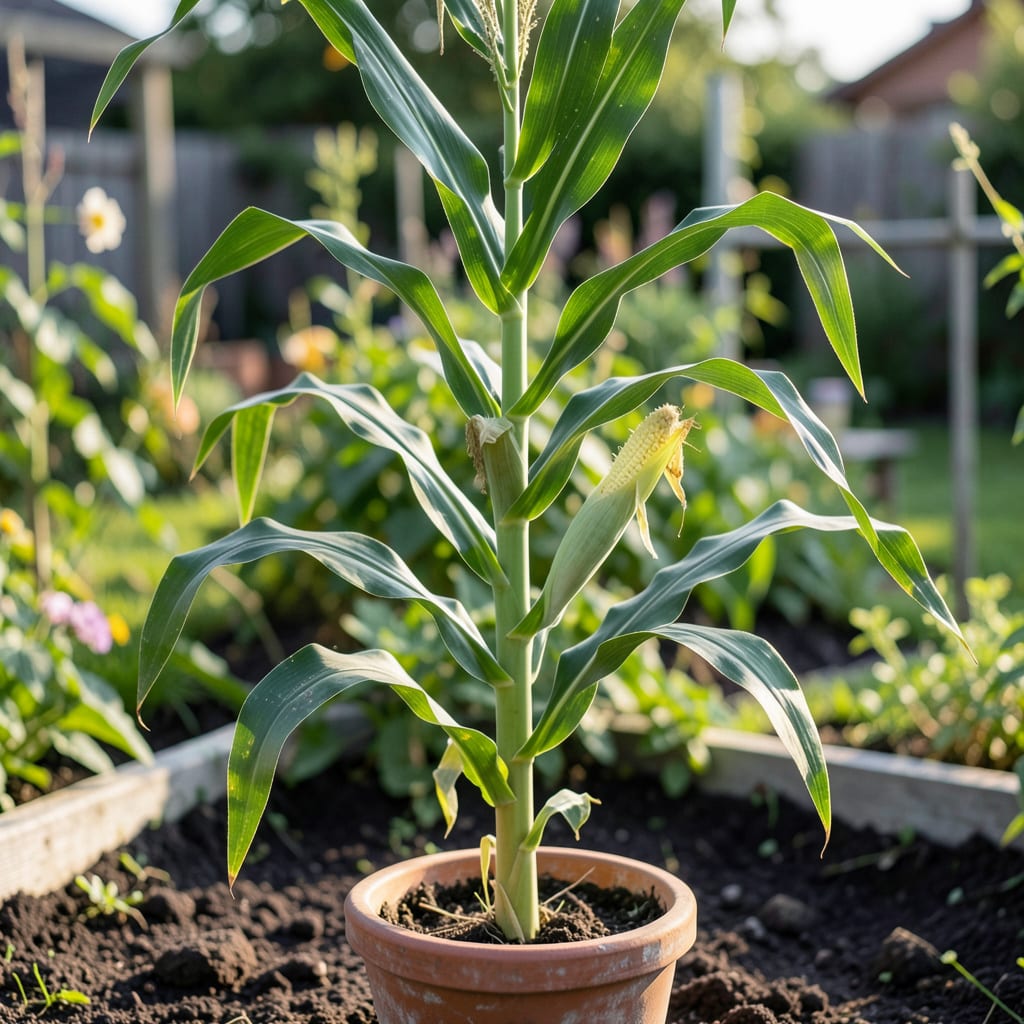
Growing corn successfully depends on understanding its light requirements – too little or too much can significantly impact your harvest. 🌽 Corn plants need full sun to thrive, requiring at least 6 hours of direct sunlight daily.
As I explore the specific light needs of corn, you’ll discover how to optimize growing conditions for a bountiful harvest in USDA Zone 6. Let’s dive into the essential growing tips to ensure your corn plants receive the right amount of light.


Corn plants need full sun to thrive, requiring at least 6 hours of direct sunlight daily. This is crucial for photosynthesis and overall plant development 🌽.
The light requirements for corn plants vary at different growth stages. Understanding these needs is essential for optimizing growing conditions and achieving a bountiful harvest. Let’s explore the specific light needs of corn plants 🌿.
Corn plants require consistent light exposure throughout their growth cycle. Inadequate light can lead to weak stalks, poor pollination, and reduced yields 🌟.
I recommend ensuring that your corn plants receive unobstructed sunlight for optimal growth. If you’re growing corn in a garden with other plants, consider their placement carefully to avoid shading your corn 🌿.
Key factors to consider when optimizing light for corn plants include the direction of sunlight, plant density, and surrounding vegetation. By managing these factors, you can create an ideal environment for your corn to thrive 🌻.
Corn is typically planted in blocks rather than rows to improve pollination and maximize light exposure. This planting strategy helps ensure that each plant receives sufficient sunlight 🔍.
In regions with limited sunlight, consider using reflective mulch or other techniques to enhance light availability for your corn plants. This can be particularly beneficial in areas with frequent cloud cover ⛅️.
Monitoring your corn plants’ response to light is crucial. If you notice signs of insufficient light, such as leggy growth or poor ear development, adjust their placement or consider supplemental lighting 🔦.
By understanding and meeting the light requirements of your corn plants, you can significantly improve their growth and productivity. This knowledge is essential for achieving a successful harvest 🌽.
In summary, providing adequate light is a critical component of growing healthy and productive corn plants. By following these guidelines, you can optimize your corn’s growth and enjoy a bountiful harvest 🌟.
Corn plants require adequate light intensity for optimal growth and development. Light intensity affects photosynthesis, which is crucial for plant growth and productivity 🌿.
The impact of different light intensities on corn plants is significant. Low light conditions can lead to weak stalks and poor pollination, while high light conditions can promote healthy growth and high yields 🌻.
Corn plants need full sun to thrive, requiring at least 6 hours of direct sunlight daily for optimal growth and development.
Optimal light intensity for corn plants varies across different growth stages. During the germination stage, soil warmth is more critical than light. As the plant grows, it requires increasing light intensity for healthy development 🌟.
I recommend monitoring your corn plants’ response to light intensity and adjusting their placement or using supplemental lighting if necessary. This will help ensure they receive the right amount of light for optimal growth 🔍.
Factors to consider when evaluating light intensity for corn plants include the direction of sunlight, plant density, and surrounding vegetation. Managing these factors can help create an ideal environment for your corn to thrive 🌻.
In summary, understanding how light intensity affects corn plant development is crucial for achieving a successful harvest. By providing adequate light and managing factors that impact light intensity, you can optimize your corn’s growth and productivity 🌽.
Corn plants require full sun to thrive, needing at least 6 hours of direct sunlight daily. Optimizing sunlight exposure is crucial for healthy growth and maximizing yields 🌽.
To maximize sunlight for corn plants, consider the garden layout and environmental conditions. Planting corn in blocks rather than rows can improve pollination and ensure that each plant receives sufficient sunlight 🌟.
Use reflective mulch to enhance light availability for your corn plants, especially in areas with limited sunlight ⛅️.
Key factors to consider when maximizing sunlight include the direction of sunlight, plant density, and surrounding vegetation. Managing these factors can help create an ideal environment for your corn to thrive 🌻.
In areas with limited sunlight, consider using supplemental lighting to support your corn plants’ growth. This can be particularly beneficial during periods of prolonged cloud cover ☁️.
Monitoring your corn plants’ response to sunlight is essential. If you notice signs of insufficient light, such as leggy growth or poor ear development, adjust their placement or consider alternative lighting solutions 🔦.
By understanding and implementing strategies to maximize sunlight, you can significantly improve the growth and productivity of your corn plants. This knowledge is crucial for achieving a successful harvest 🌽.
In summary, maximizing sunlight for corn plants involves careful consideration of garden layout, environmental conditions, and supplemental lighting options. By following these guidelines, you can optimize your corn’s growth and enjoy a bountiful harvest 🌟.
Corn plants need at least 6 hours of direct sunlight daily to thrive. This is crucial for photosynthesis and overall plant development. Without sufficient sunlight, corn plants may become weak and produce poor yields .
While corn plants can tolerate some shade, they require full sun to produce optimal yields. Partial shade can lead to weak stalks and poor pollination. If you must grow corn in a shaded area, consider using supplemental lighting .
Light intensity significantly impacts corn plant growth and development. Low light conditions can lead to weak stalks and poor pollination, while high light conditions promote healthy growth and high yields. Ensure your corn plants receive adequate light intensity for optimal growth .
Yes, you can use grow lights to supplement natural sunlight for corn plants, especially in areas with limited sunlight. However, ensure the grow lights provide the necessary spectrum and intensity for optimal growth. Monitor your plants’ response to the supplemental lighting and adjust as needed .
