
Beautiful Plants For Your Interior
Beautiful Plants For Your Interior
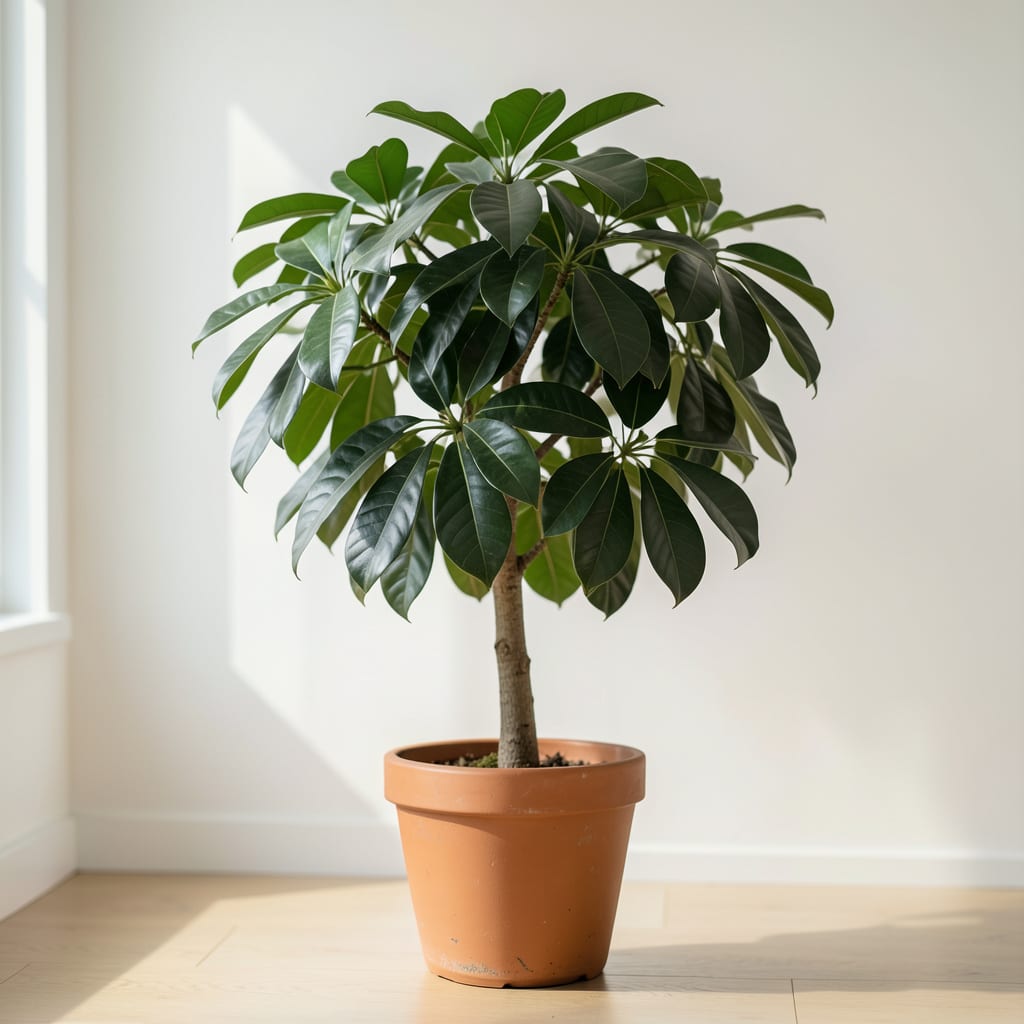
I’ve always been fascinated by the elegant Umbrella Plant 🌱, known for its unique leaves that add a tropical touch to indoor spaces. However, getting their lighting right is crucial for their health and survival.
Understanding how much light your Umbrella Plant needs is key to keeping it thriving in USDA Zone 6. Let’s explore the optimal lighting conditions to help your plant flourish.

I’ve found that understanding the natural habitat of Umbrella Plants is crucial for determining their ideal lighting conditions. These plants thrive in bright, indirect light, typically requiring 4-6 hours of such light daily 🌱.
Their native habitats are usually under the canopy of forests, where they receive filtered sunlight. This natural environment guides us in replicating similar conditions indoors, making them perfect for homes with east or west-facing windows 🌞.
When placing an Umbrella Plant, it’s essential to avoid direct sunlight, which can cause leaf scorch. Instead, opt for a location that provides filtered or dappled light, mimicking the conditions of their natural habitat 🌿.
The light intensity and duration play a significant role in the health of an Umbrella Plant. While they can tolerate some variation in lighting, consistency is key to maintaining their health and promoting growth 💡.
Umbrella Plants are known to be somewhat adaptable to different lighting conditions, but optimal growth occurs in bright, indirect light. This adaptability makes them a popular choice for various indoor settings, from offices to living rooms 🏠.
To ensure your Umbrella Plant thrives, monitor its response to the lighting conditions. If the leaves start to lose their vibrant color or become leggy, it may be a sign that the light is not optimal 🔍.
Adjusting the lighting to meet the needs of your Umbrella Plant can significantly impact its overall health and appearance. By providing the right amount and type of light, you can enjoy a lush, thriving plant that adds beauty to your space 🌸.
In summary, understanding and providing the appropriate light requirements is fundamental to the care of an Umbrella Plant. By doing so, you can create an ideal environment for your plant to flourish 🌟.
For further guidance on caring for your Umbrella Plant, including tips on watering and fertilization, stay tuned for more detailed guides 📚.
I’ve found that providing optimal lighting for your Umbrella Plant is crucial for its health and growth. To achieve this, you need to understand the positioning and lighting conditions that work best for your plant 🌞.
First, let’s talk about positioning your Umbrella Plant. Place it near an east or west-facing window to provide the ideal 4-6 hours of bright, indirect light daily. This orientation helps avoid direct sunlight that can cause leaf scorch 🌿.
Use sheer curtains to filter direct sunlight and prevent leaf scorch. This simple trick can make a significant difference in your plant’s health 🌟.
When it comes to artificial lighting, you can supplement natural light with LED grow lights if necessary. This is particularly useful during winter months or in rooms with limited natural light 💡.
It’s also essential to avoid common lighting mistakes. Don’t place your Umbrella Plant in low-light areas, as this can lead to leggy growth and weak health. Similarly, avoid direct sunlight for extended periods 🔍.
To ensure your Umbrella Plant thrives, monitor its response to the lighting conditions. If you notice any signs of stress, such as yellowing leaves or slow growth, adjust the lighting accordingly 🌿.
By following these practical tips and being mindful of your plant’s needs, you can create an optimal lighting environment for your Umbrella Plant to flourish 🌸.
For more detailed information on caring for your Umbrella Plant, including tips on watering and fertilization, stay tuned for more guides 📚.
I’ve observed that Umbrella Plants can be quite sensitive to lighting conditions, and it’s essential to recognize the signs of too much or too little light to keep your plant healthy 🔍.
If your Umbrella Plant is receiving too much light, you may notice yellowing leaves or leaf scorch. This is often a result of direct sunlight, which can be too intense for the plant 🌞.
If your plant is getting too much light, look for yellowing leaves or leaf scorch. If it’s not getting enough, check for leggy growth or pale leaves 🌿.
On the other hand, if your Umbrella Plant is not receiving enough light, it may exhibit leggy growth or pale leaves. This is because the plant is stretching towards the available light source, resulting in an uneven shape 🌱.
To adjust the lighting for your Umbrella Plant, consider relocating it to a spot with more suitable light conditions. If this isn’t possible, you can also use artificial lighting to supplement the natural light 💡.
By being aware of these signs and taking corrective action, you can ensure your Umbrella Plant receives the right amount of light to thrive 🌸.
For more tips on caring for your Umbrella Plant, including advice on watering and fertilization, stay tuned for more detailed guides 📚.
By following these guidelines and monitoring your plant’s response to lighting, you can create an optimal environment for your Umbrella Plant to flourish 🌟.
Umbrella plants can adapt to low light, but they thrive best in bright, indirect light. If kept in low light, they may become leggy and lose their vibrant color. For optimal health, provide 4-6 hours of bright, indirect light daily.
If your umbrella plant is exposed to too much direct sunlight, you may notice yellowing leaves or leaf scorch. To prevent this, place your plant near an east or west-facing window with filtered sunlight. Adjust the lighting conditions if you observe these symptoms.
Yes, you can supplement natural light with LED grow lights, especially during winter months or in rooms with limited natural light. This helps maintain the optimal lighting conditions for your umbrella plant’s health and growth.
Monitor your plant’s response to the lighting conditions and adjust as needed. If you notice signs of stress, such as yellowing leaves or slow growth, consider relocating the plant or supplementing with artificial lighting. Regular monitoring ensures optimal health.
