
Beautiful Plants For Your Interior
Beautiful Plants For Your Interior
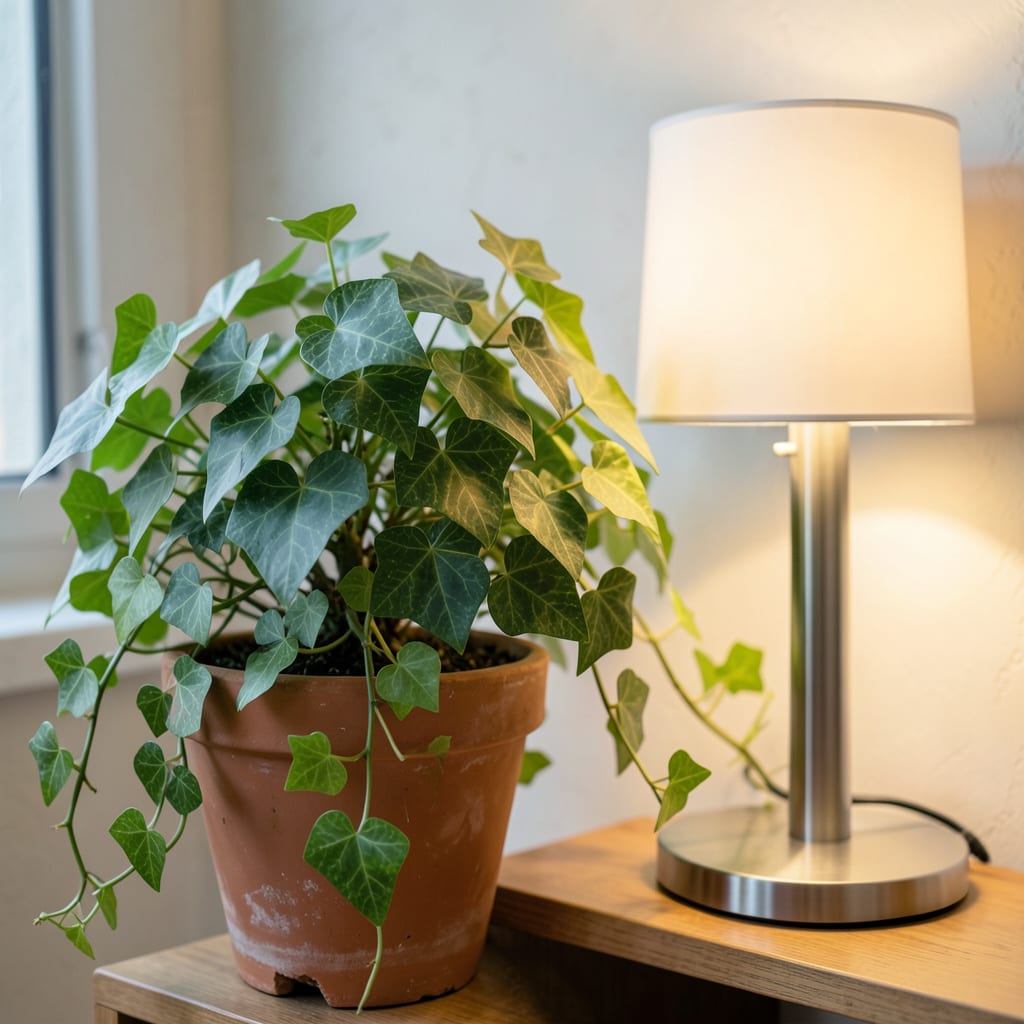
Ivy plants 🌿 are known for their adaptability and low-maintenance requirements, but getting their light needs right is crucial for their health. Too little or too much light can significantly impact their growth and appearance.
Understanding how to provide the right amount of light is key to keeping your Ivy thriving. Let’s explore the ideal lighting conditions and how to achieve them in your home or garden in USDA Zone 6.

Ivy plants are known for their adaptability to various light conditions, but understanding their specific light needs is crucial for optimal growth. The ideal light conditions for ivy plants depend on the type of ivy and its variegation.
Ivy plants generally thrive in bright, indirect light, but some varieties can tolerate low light conditions. The key is to provide the right amount of light to maintain their health and vibrant appearance 🌿.
The ideal light level for ivy plants is between 2-4 hours** of indirect light per day. This can be achieved by placing them near a north-facing window or using artificial lighting such as LED grow lights.
Ivy plants can adapt to different light conditions, but their growth rate and appearance will vary accordingly. Understanding these variations is essential for providing the best care for your ivy plant 🌱.
In USDA Zone 6, it’s essential to consider the seasonal changes in light when caring for ivy plants. During the spring and summer months, ivy plants can tolerate more light, while in the fall and winter months, they require less light due to the shorter days.
To ensure your ivy plant thrives, it’s crucial to monitor its response to light and adjust its placement accordingly. If you notice signs of too little or too much light, such as leggy growth or leaf scorch, take action to adjust its lighting conditions.
By providing the right amount of light, you can promote healthy growth and maintain the vibrant appearance of your ivy plant. Whether you’re growing ivy indoors or outdoors, understanding its light requirements is key to its success.
In addition to light, other factors such as watering and fertilization also play a crucial role in the health and growth of ivy plants. However, light remains one of the most critical factors in determining their overall well-being.
By understanding the specific light needs of your ivy plant and providing the right conditions, you can enjoy a thriving and vibrant plant for years to come.
For more information on caring for ivy plants, including tips on watering and fertilization, be sure to check out our other resources on gardening and plant care.
Ivy plants require careful consideration when it comes to lighting. To provide optimal lighting, it’s essential to understand the specific needs of your plant. Most ivy plants thrive in bright, indirect light, making a north-facing window an ideal location 🌿.
When placing your ivy plant, consider the time of day and the season. During the spring and summer months, ivy plants can tolerate more light, while in the fall and winter months, they require less light due to the shorter days.
To provide optimal lighting, place your ivy plant near a north-facing window or use artificial lighting such as LED grow lights for 2-4 hours a day.
If you can’t provide natural light, don’t worry! Ivy plants can also thrive under artificial lighting. LED grow lights are an excellent option, as they provide the necessary spectrum and intensity for healthy growth.
When using artificial lighting,
In addition to the type and duration of light, it’s also essential to consider the distance between the light source and the plant. Keep the light source at a safe distance to avoid overheating or scorching the leaves.
By providing the right amount and type of light, you can promote healthy growth and maintain the vibrant appearance of your ivy plant. Whether you’re using natural or artificial lighting, understanding your plant’s specific needs is key to its success 🌱.
To ensure your ivy plant thrives, it’s crucial to monitor its response to light and adjust its placement accordingly. If you notice signs of too little or too much light, such as leggy growth or leaf scorch, take action to adjust its lighting conditions.
By following these tips and providing optimal lighting, you can enjoy a thriving and vibrant ivy plant for years to come.
Ivy plants are known for their ability to thrive in various lighting conditions, but they still require careful consideration when it comes to light. Understanding the common mistakes in ivy plant lighting can help you avoid potential issues and keep your plant healthy 🌿.
One common mistake is placing ivy plants in direct sunlight, which can cause leaf scorch and damage. Another mistake is not providing enough light, leading to leggy growth and a loss of variegation.
Avoid placing ivy plants in extreme lighting conditions, as this can cause damage and negatively impact their health.
To avoid these common mistakes, it’s essential to monitor your ivy plant’s response to light and adjust its placement accordingly. If you notice signs of too little or too much light, take action to adjust its lighting conditions.
By understanding the specific light needs of your ivy plant and avoiding common mistakes, you can promote healthy growth and maintain its vibrant appearance.
In addition to proper lighting, other factors such as watering and fertilization also play a crucial role in the health and growth of ivy plants.
By following these tips and being mindful of common mistakes, you can enjoy a thriving and vibrant ivy plant for years to come 🌱.
Ivy plants thrive in bright, indirect light with 2-4 hours of light per day. A north-facing window is ideal, or you can use LED grow lights. This light level promotes healthy growth and maintains variegation .
No, direct sunlight can cause leaf scorch and damage, especially for variegated ivies. It’s best to provide filtered or indirect sunlight to keep your ivy plant healthy .
If your ivy plant is getting too little light, it may become leggy or lose its variegation. Monitor your plant’s response to light and adjust its placement accordingly. You can also consider using artificial lighting to supplement natural light .
Yes, ivy plants can thrive under artificial lighting such as LED grow lights. Use them for 2-4 hours a day to provide the necessary spectrum and intensity for healthy growth .
