
Beautiful Plants For Your Interior
Beautiful Plants For Your Interior
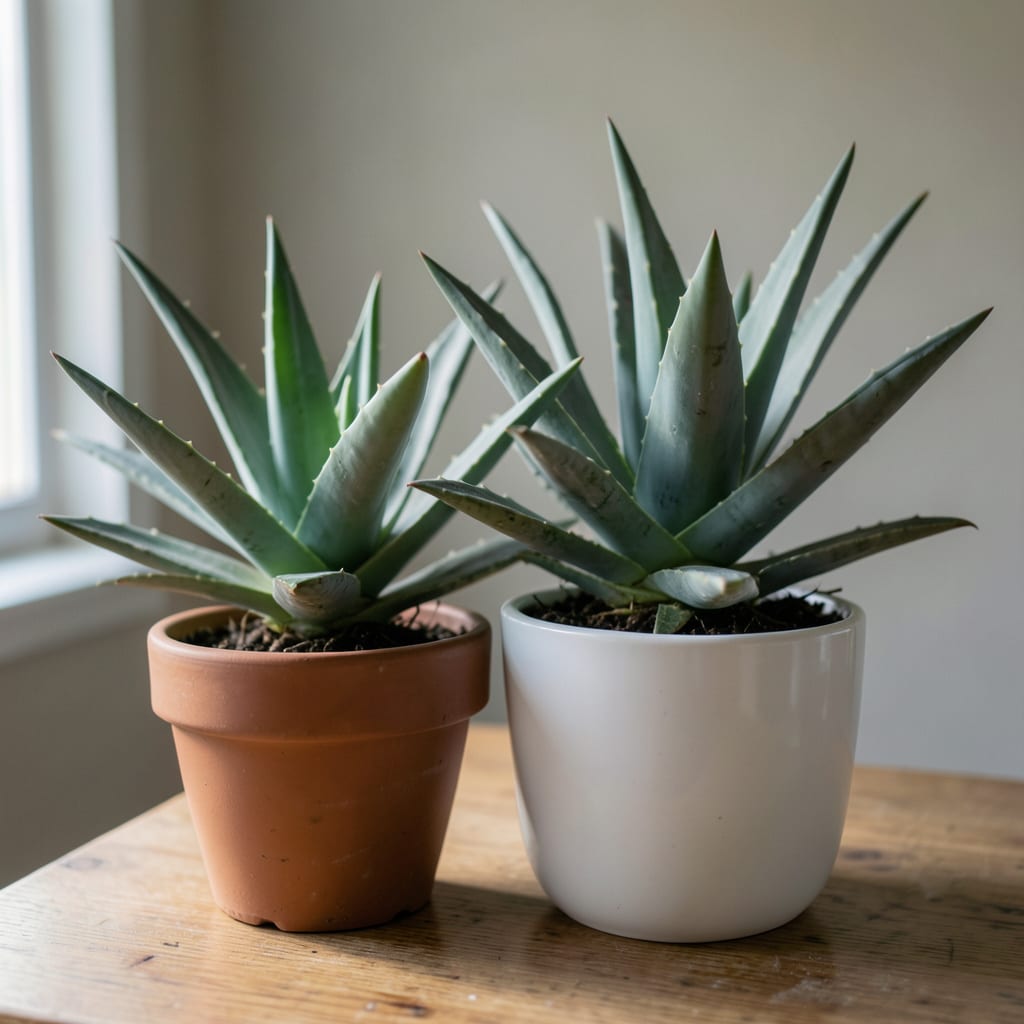
As an Aloe 🌵 enthusiast, I’ve learned that lighting is crucial for these succulents to thrive indoors. Too little light, and they become weak and stretched out; too much, and they can get scorched.
So, how much light does your indoor Aloe need? Let’s explore the ideal lighting conditions to keep your Aloe healthy and happy, and I’ll share some practical tips to ensure you’re giving it just the right amount of light.

Aloe vera plants are known for their ability to thrive in bright, indirect light, making them perfect for indoor spaces 🌵. To keep your aloe vera healthy, it’s essential to understand its lighting needs.
I recommend placing your aloe vera near a south or east-facing window where it can receive 4-6 hours of bright, indirect light daily. This will provide the optimal conditions for your plant to photosynthesize and grow.
While aloe vera can tolerate some direct sunlight, it’s crucial to avoid exposing it to intense, direct light for extended periods, as this can cause leaf scorch. If you notice your aloe vera’s leaves becoming discolored or developing brown spots, it may be receiving too much direct sunlight.
On the other hand, if your aloe vera is not getting enough light, it may become leggy or stretched out, with smaller or discolored leaves. In such cases, you may need to adjust the lighting conditions or consider using grow lights to supplement the natural light.
To ensure your aloe vera receives the right amount of light, you can also rotate the plant regularly. This will help maintain even growth and prevent the plant from leaning towards one side.
By understanding and providing the right lighting conditions, you can help your aloe vera thrive and enjoy its many benefits 🌿.
For more specific guidance on caring for your aloe vera, consider consulting with a local nursery or gardening expert.
Additionally, you can monitor your plant’s response to the lighting conditions and adjust accordingly. With the right care, your aloe vera can continue to flourish indoors.
It’s also worth noting that aloe vera plants are relatively low-maintenance, making them perfect for busy people or those new to indoor gardening 🌱.
By following these tips and providing your aloe vera with the right lighting, you can enjoy a healthy and thriving plant for years to come.
Aloe vera plants require specific lighting conditions to thrive. If they don’t receive sufficient light, they may exhibit certain symptoms that can be easily identified 🌵.
One of the most common signs of insufficient light is when the plant becomes leggy or stretched out, with smaller or discolored leaves. This is because the plant is trying to reach the light source, causing it to grow unevenly.
If your aloe vera is getting too little light, it may become weak and stretched out. Check for signs like leggy growth, yellowing leaves, or slow growth. Adjust the lighting conditions accordingly to keep your plant healthy.
To address insufficient light, you can adjust the plant’s position to a brighter location or consider using grow lights to supplement the natural light. Regularly rotating the plant will also help maintain even growth and prevent it from leaning towards one side 🔄.
By being aware of these signs and taking corrective action, you can ensure your aloe vera receives the right amount of light to thrive indoors 🌿.
Monitoring your plant’s response to lighting conditions and making adjustments as needed is crucial for its health. With proper care, your aloe vera can continue to flourish and provide its many benefits 🌱.
For more specific guidance on caring for your aloe vera, consider consulting with a local nursery or gardening expert to get personalized advice.
By following these tips and providing your aloe vera with the right lighting, you can enjoy a healthy and thriving plant for years to come 🌸.
To keep your aloe vera thriving, it’s essential to optimize its light exposure. I recommend placing your plant near a south or east-facing window to receive 4-6 hours of bright, indirect light daily 🌞.
Here are some practical tips to maximize natural light and ensure your aloe vera receives the right amount of light:
Rotate your aloe vera every 1-2 weeks to ensure even growth and prevent it from leaning towards one side 🔄.
If your aloe vera is not getting enough natural light, consider using grow lights to supplement the light it receives 💡.
Keep an eye on your aloe vera’s response to the lighting conditions and adjust accordingly to ensure it remains healthy 🌿.
By following these tips, you can create an optimal lighting environment for your aloe vera, promoting healthy growth and maximizing its benefits 🌱.
For more specific guidance on caring for your aloe vera, consider consulting with a local nursery or gardening expert to get personalized advice 📚.
With the right care and attention to lighting, your aloe vera can continue to thrive and provide its many benefits for years to come 🌸.
A south or east-facing window is perfect for aloe vera plants as it provides 4-6 hours of bright, indirect light daily. This direction offers the right amount of light for optimal growth.
Yes, you can use grow lights to supplement natural light if your aloe vera isn’t getting enough. This is especially helpful during winter months or in low-light spaces.
Rotate your aloe vera every 1-2 weeks to ensure even growth and prevent it from leaning towards one side. This simple step promotes healthy development.
If your aloe vera becomes leggy or stretched out with smaller or discolored leaves, it may not be getting enough light. Adjust its position or consider using grow lights to address this issue.
