
Beautiful Plants For Your Interior
Beautiful Plants For Your Interior
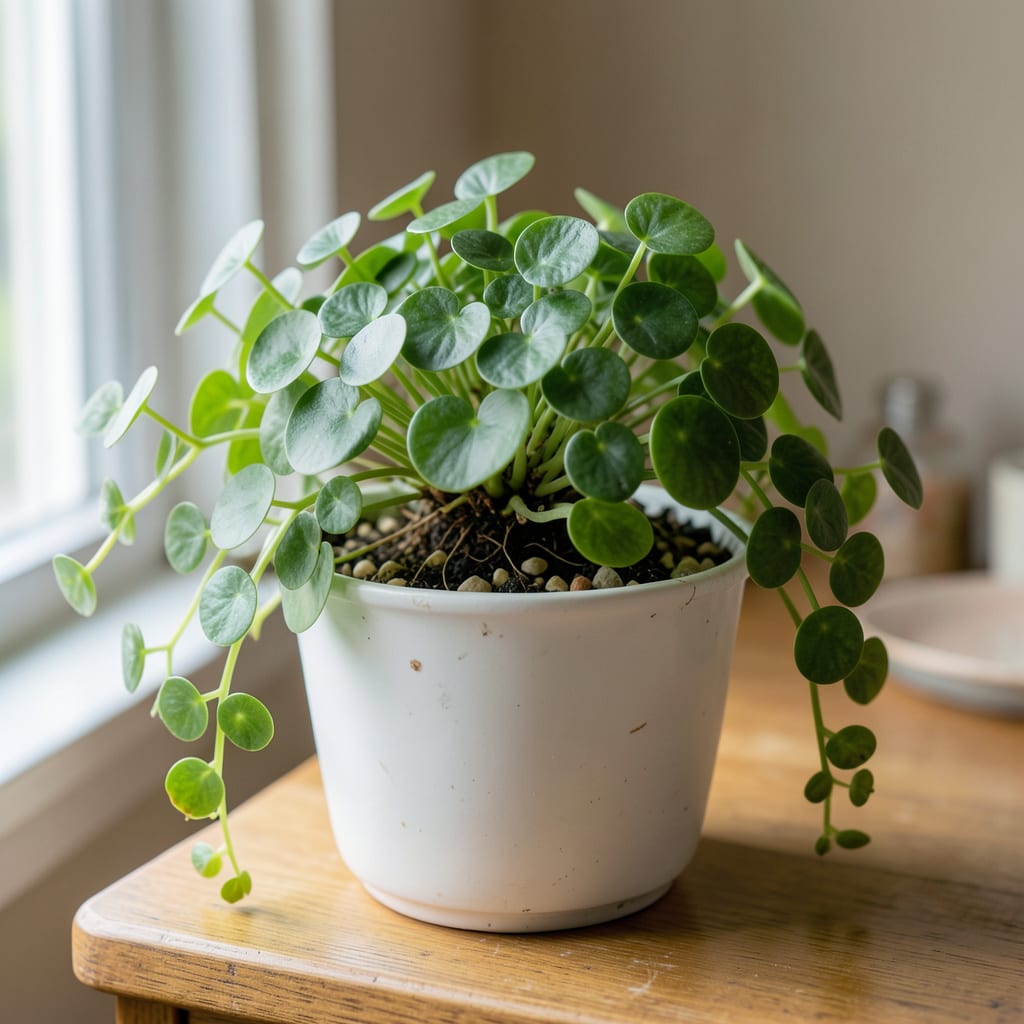
As I care for my Inch Plant 🌿, I’ve learned that proper lighting is crucial for its beautiful, trailing growth. Without the right amount of light, it can struggle to thrive.
So, how much light does your Inch Plant actually need? Let’s explore the ideal light conditions and how to provide them for a healthy, happy plant in your home or garden.


I understand that proper lighting is crucial for the health and growth of Inch Plants. These beautiful, trailing plants can thrive in various light conditions, but knowing their ideal light requirements is essential for optimal care.
Inch Plants prefer bright indirect light, making them perfect for rooms with plenty of natural light that isn’t directly hitting the plant. This lighting condition promotes healthy growth and maintains their vibrant foliage 🌿.
To provide your Inch Plant with the best light conditions, place it near an east or west-facing window where it can receive 4-6 hours of indirect light daily. This placement ensures your plant gets the right amount of light without being exposed to harsh direct sunlight.
It’s also important to note that Inch Plants can adapt to low light conditions, although their growth may slow, and their leaves might not be as vibrant. If you can’t provide bright indirect light, don’t worry; your Inch Plant will still survive, just with slightly different characteristics.
On the other hand, exposing your Inch Plant to direct sunlight can be harmful. Direct sun can scorch the leaves, causing damage and potentially leading to health issues. If you notice your plant getting too much direct light, consider moving it further from the window or using a sheer curtain to filter the sunlight.
Adjusting your Inch Plant’s light exposure according to the season can also benefit its health. During spring and summer, when days are longer, your plant might need to be moved further from the window to avoid excessive light. In fall and winter, when natural light is scarce, you might need to supplement with grow lights to maintain the desired light levels 🌞.
Observing your Inch Plant’s response to its lighting conditions is key to providing the best care. If you notice the leaves are becoming leggy or stretched out, it might be a sign that the plant is not getting enough light. Conversely, if the leaves are getting scorched, it’s likely getting too much direct sunlight.
By understanding and adjusting to your Inch Plant’s light needs, you can ensure it remains healthy and continues to add beauty to your space with its trailing growth and vibrant foliage.
For more specific advice tailored to your environment, consider factors like your USDA zone and the specific conditions in your home or garden. This will help you make the most informed decisions for your Inch Plant’s care.
Remember, every home is different, and what works for one Inch Plant might not work for another. Be prepared to make adjustments based on your plant’s response to its environment, and don’t hesitate to experiment with different lighting setups to find what works best for you and your plant.
By following these guidelines and being attentive to your Inch Plant’s needs, you can enjoy a thriving, beautiful plant that enhances your living space 🌿.
I understand that providing the right light conditions for your Inch Plant is crucial for its health and growth. To optimize light exposure, it’s essential to consider various factors that affect your plant’s well-being 🌿.
One key aspect is the direction your window faces. An east or west-facing window is ideal for Inch Plants as it provides the necessary bright indirect light without the harsh direct sunlight that can cause damage.
To maintain optimal light conditions, consider rotating your Inch Plant every 1-2 weeks to ensure even growth and prevent leaning towards the light source 🔄.
Seasonal adjustments are also vital in maintaining optimal light conditions. During spring and summer, when days are longer, your Inch Plant might need to be moved further from the window to avoid excessive light. Conversely, in fall and winter, when natural light is scarce, you might need to supplement with grow lights to maintain the desired light levels 🌞.
It’s also important to monitor your Inch Plant’s response to its lighting conditions. If you notice the leaves becoming leggy or stretched out, it might be a sign that the plant is not getting enough light. On the other hand, if the leaves are getting scorched, it’s likely getting too much direct sunlight 🔥.
By understanding and adjusting to your Inch Plant’s light needs, you can ensure it remains healthy and continues to add beauty to your space with its trailing growth and vibrant foliage 🌿.
To further optimize light conditions, consider using sheer curtains to filter direct sunlight during peak hours. This simple adjustment can make a significant difference in your plant’s health and appearance 🌸.
By following these guidelines and being attentive to your Inch Plant’s needs, you can enjoy a thriving, beautiful plant that enhances your living space.
I understand that providing the right light conditions for your Inch Plant can be challenging, and it’s easy to make mistakes that can affect your plant’s health 🌿.
One common mistake is exposing your Inch Plant to direct sunlight, which can cause leaf scorch and damage. To avoid this, place your plant near an east or west-facing window where it can receive bright indirect light 🔄.
Avoid placing your Inch Plant in low light conditions for extended periods, as this can cause it to become leggy and lose color intensity. If you must place it in low light, consider supplementing with grow lights to maintain optimal health 💡.
Another mistake is not adjusting your Inch Plant’s light exposure according to the season. During spring and summer, when days are longer, your plant might need to be moved further from the window to avoid excessive light. In fall and winter, when natural light is scarce, you might need to supplement with grow lights to maintain the desired light levels 🌞.
It’s also important to monitor your Inch Plant’s response to its lighting conditions. If you notice the leaves becoming leggy or stretched out, it might be a sign that the plant is not getting enough light. Conversely, if the leaves are getting scorched, it’s likely getting too much direct sunlight 🔥.
To avoid these common mistakes,
By being aware of these potential pitfalls and taking steps to avoid them, you can help ensure your Inch Plant remains healthy and continues to thrive in your care 🌱.
For more specific advice tailored to your environment, consider factors like your USDA zone and the specific conditions in your home or garden. This will help you make the most informed decisions for your Inch Plant’s care 🌿.
By following these guidelines and being attentive to your Inch Plant’s needs, you can enjoy a thriving, beautiful plant that enhances your living space 🌸.
An east or west-facing window is perfect for Inch Plants as it provides bright indirect light without harsh direct sunlight. This direction helps maintain healthy growth and vibrant foliage.
Yes, Inch Plants can tolerate low light conditions, but their growth may slow, and their leaves might not be as vibrant. If you can’t provide bright indirect light, consider supplementing with grow lights to maintain optimal health.
Inch Plants prefer 4-6 hours of indirect light daily. Placing them near an east or west-facing window usually provides the right amount of light without exposing them to harsh direct sunlight.
Exposing your Inch Plant to direct sunlight can cause leaf scorch and damage. If you notice this happening, consider moving it further from the window or using a sheer curtain to filter the sunlight.
