
Beautiful Plants For Your Interior
Beautiful Plants For Your Interior
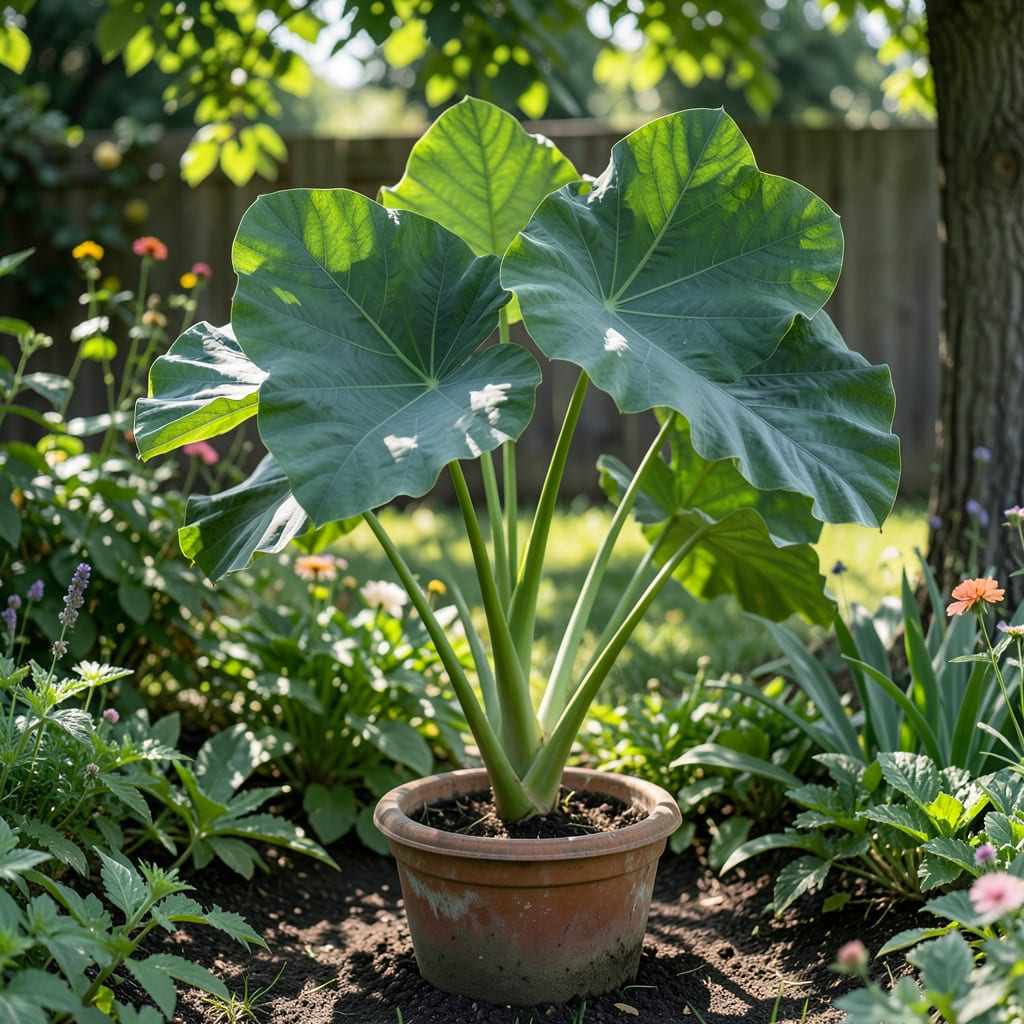
I’ve always been fascinated by the dramatic foliage of Elephant Ear 🌱 plants, but getting their light requirements right is crucial for healthy growth. Too little or too much light can significantly impact their development and vibrant leaf display.
Understanding the optimal light conditions for your Elephant Ear plant is key to enjoying its beautiful leaves throughout the growing season. Let’s explore the ideal light requirements and how to provide the best conditions for your plant to thrive in USDA Zone 6.

I’ve found that Elephant Ear plants are quite particular about their light requirements. Too little light can cause weak and spindly growth, while too much can lead to scorched leaves. The ideal condition is bright, indirect light, which helps maintain their vibrant foliage 🌿.
Elephant Ear plants generally thrive in partial shade to full shade, depending on the variety. For most varieties, 4-6 hours of indirect sunlight per day is sufficient. This can be achieved by placing them near an east- or west-facing window if you’re growing them indoors ⏰.
The light requirements for Elephant Ear plants can vary slightly based on the specific variety. Some can tolerate more direct sunlight, while others prefer shadier conditions. It’s essential to understand the specific needs of your Elephant Ear plant to provide the best care 🌟.
Elephant Ear plants are not just about light; they also require consistent moisture and rich soil. However, getting the light right is crucial for their overall health and appearance 💪.
When growing Elephant Ear plants indoors, it’s crucial to monitor their light exposure. If you notice the leaves becoming too large or the plant stretching towards the light, it may be a sign that you need to adjust their light conditions 🔍.
Outdoor growing conditions also require careful consideration. In USDA Zone 6, it’s best to plant Elephant Ear in a location that receives morning sun and afternoon shade to protect the leaves from intense midday sun ☀️.
By understanding and meeting the light needs of your Elephant Ear plant, you can enjoy its beautiful foliage throughout the growing season. Proper light exposure is key to maintaining the plant’s health and vibrancy 🌼.
In summary, Elephant Ear plants prefer bright, indirect light and can thrive in partial shade. By providing the right light conditions, you can ensure your plant remains healthy and continues to display its dramatic foliage 🌱.
For more specific advice on caring for your Elephant Ear plant, including tips on watering and fertilizing, be sure to check out our other guides on Elephant Ear plant care 📚.
I’ve found that providing the right amount of light for Elephant Ear plants requires careful consideration of their growing conditions. Whether you’re growing them indoors or outdoors, understanding their light requirements is crucial for their health and vibrancy 🌿.
When growing Elephant Ear plants indoors, it’s essential to place them near a window that receives bright, indirect light. An east- or west-facing window is ideal, as it provides the right amount of indirect sunlight without the harsh direct sun that can cause leaf scorch ⏰.
For optimal growth, rotate your Elephant Ear plant every few days to ensure even light distribution and prevent uneven growth 🔄.
Outdoors, Elephant Ear plants should be placed in a location that receives partial shade to full shade, depending on the variety. In USDA Zone 6, it’s best to provide morning sun and afternoon shade to protect the leaves from intense midday sun ☀️.
Seasonal changes also play a significant role in the light requirements of Elephant Ear plants. During the summer months, they may require more shade to prevent leaf scorch, while in the spring and fall, they can tolerate more sunlight 🌞.
To ensure your Elephant Ear plant is receiving the right amount of light, monitor its growth and leaf health. If you notice any signs of stress, such as yellowing leaves or leggy growth, adjust its light exposure accordingly 🔍.
By following these tips and understanding the specific light needs of your Elephant Ear plant, you can create an optimal growing environment that promotes healthy growth and vibrant foliage 🌱.
For more detailed information on caring for your Elephant Ear plant, including tips on watering and fertilizing, be sure to check out our other guides on Elephant Ear plant care 📚.
I often see growers struggle with light issues. When leaves turn yellow or develop brown edges, it’s usually a sign of improper lighting. Understanding these cues helps you act quickly and keep the foliage lush. 🌿
Excessive direct sun can scorch the massive leaves, turning them crispy and pale. I’ve noticed the veins turning white and the plant wilting after a hot afternoon. The cure is to provide bright, indirect light or move the plant to afternoon shade.
When the plant receives insufficient light, it stretches toward the nearest window, producing tall, leggy appearance and pale leaves. I’ve seen this in low‑light corners, where the foliage loses its deep green hue. Adding a supplemental grow light can reverse the effect.
I recommend rotate your Elephant Ear every few days to expose all sides evenly. If indoors, place a sheer curtain to diffuse harsh rays, and consider a
Elephant Ear plants thrive in bright, indirect light, typically requiring 4-6 hours of indirect sunlight daily. This can be achieved by placing them near an east- or west-facing window if grown indoors. The right light conditions promote healthy growth and vibrant foliage .
While some varieties can handle more direct sunlight, most Elephant Ear plants prefer partial shade to full shade. Direct sunlight can cause leaf scorch, so it’s best to provide filtered or indirect light, especially during peak sun hours .
Watch for signs of stress: yellowing leaves or leggy growth indicate improper lighting. If leaves develop brown edges or become scorched, adjust the plant’s position to receive more suitable light conditions. Monitoring your plant’s response to light will help you make necessary adjustments .
Yes, supplemental grow lights can be beneficial, especially in low-light conditions. They can help prevent leggy growth and maintain the plant’s deep green color. Ensure the grow lights provide the appropriate spectrum and intensity for your Elephant Ear plant‘s needs .
