
Beautiful Plants For Your Interior
Beautiful Plants For Your Interior
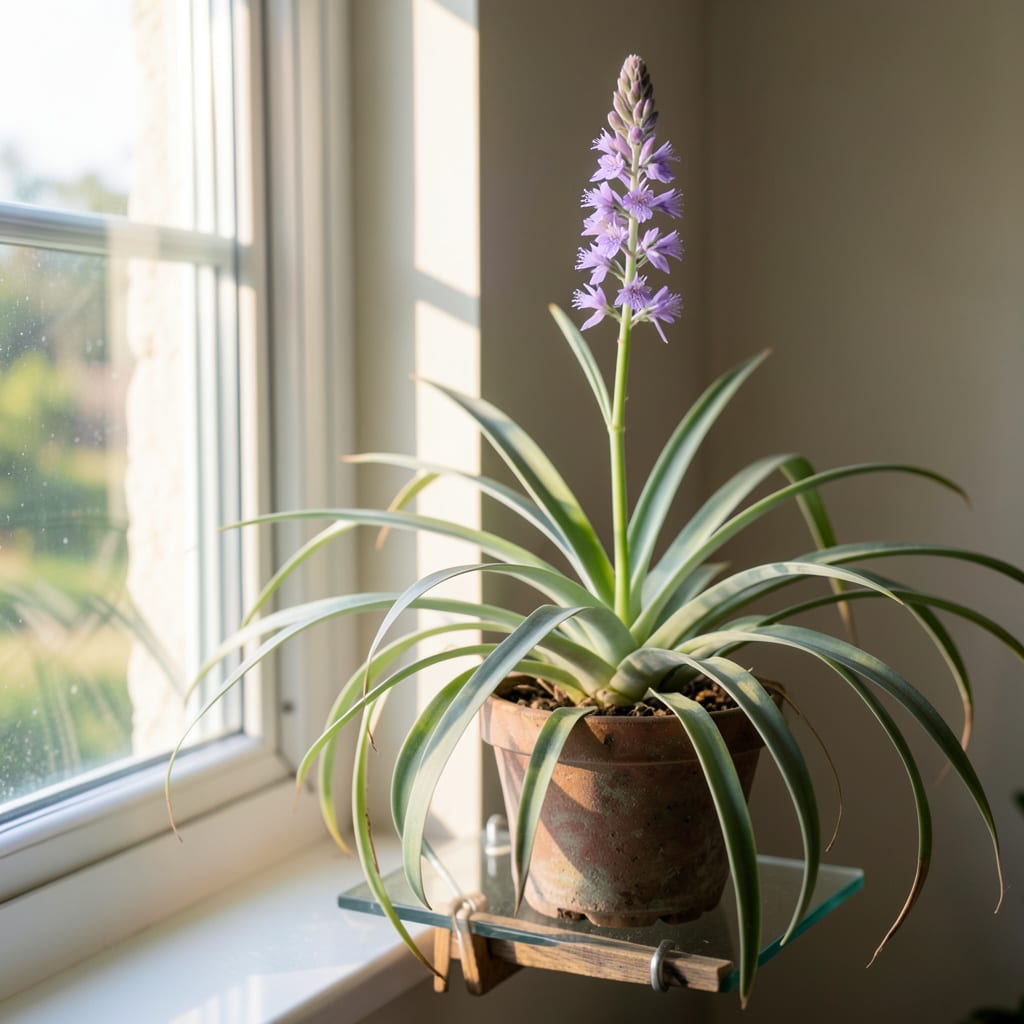
As an Air Plant 🌱 enthusiast, I’ve learned that understanding their light requirements is crucial for their survival. These unique epiphytes thrive in bright indirect light, making them perfect for indoor spaces with the right conditions.
To keep your Air Plant happy and healthy in USDA Zone 6, it needs 4-6 hours of bright, indirect light daily – an east or west-facing window is ideal. Let’s explore how to provide the perfect lighting for your Air Plant.


Air plants require specific light conditions to thrive, and understanding these needs is crucial for their survival. As an epiphyte, air plants don’t need soil, but they do need the right amount of light to photosynthesize and grow.
The ideal light for air plants is bright indirect light, which means they need 4-6 hours of bright, indirect light daily. This can be achieved by placing them near an east or west-facing window, where they can receive gentle, filtered light. Direct sunlight can be too intense and may cause burning, so it’s essential to provide some shade or filter the light.
It’s also important to note that different species of air plants may have varying light requirements. Some species, like Tillandsia xerographica, can tolerate more direct sunlight, while others, like Tillandsia ionantha, prefer shadier conditions.
To ensure your air plant is getting the right amount of light, you can observe its response to the current lighting conditions. If it’s not getting enough light, the leaves may become weak and stretched, while too much light can cause burning and discoloration.
By understanding the specific light requirements of your air plant, you can provide the best conditions for it to thrive. Whether you’re a seasoned gardener or just starting out, paying attention to your air plant’s light needs is essential for its health and growth 🌿.
Air plants are adaptable, but they still need careful consideration when it comes to lighting. In their natural habitat, they’re often found attached to trees or rocks, receiving filtered light through the surrounding foliage.
In indoor settings, replicating this environment is key. Using sheer curtains or shades can help filter direct sunlight, creating a more suitable environment for your air plant.
Some air plant enthusiasts also use artificial lighting, such as LED grow lights, to supplement natural light. This can be especially useful during the winter months when natural light is scarce.
When using artificial lighting, it’s essential to follow the manufacturer’s guidelines for the specific lighting needs of your air plant. Generally, 12-14 hours of artificial light per day can help support healthy growth.
By providing the right amount and type of light, you can enjoy a thriving air plant that adds beauty and interest to your indoor space. With proper care and attention, air plants can be a low-maintenance and rewarding addition to your home or office.
Now that we’ve explored the importance of light for air plants, let’s dive into practical tips for providing optimal lighting. Proper placement and understanding of light conditions can make all the difference in your air plant’s health 🌿.
First and foremost, it’s crucial to understand that bright indirect light is ideal for most air plants. This means they need 4-6 hours of bright, indirect light daily. An east or west-facing window is perfect for this, as it provides gentle, filtered light that won’t cause burning 🔥.
For optimal results, rotate your air plants every 1-2 weeks to ensure even light distribution. This prevents uneven growth and maintains their unique shape.
When placing your air plants, consider the time of day and the season. During peak sun hours (usually between 10 am and 4 pm), it’s best to filter the light using sheer curtains or shades to prevent direct sunlight from causing damage 🌞.
In addition to natural light, many air plant enthusiasts use artificial lighting to supplement their plants’ needs. LED grow lights are a popular choice, as they provide the necessary spectrum for photosynthesis without generating excessive heat 💡.
When using artificial lighting, follow the manufacturer’s guidelines for the specific lighting needs of your air plant. Generally, 12-14 hours of artificial light per day can help support healthy growth, especially during the winter months when natural light is scarce 🌟.
It’s also worth noting that different species of air plants may have varying light requirements. For example, Tillandsia xerographica can tolerate more direct sunlight, while Tillandsia ionantha prefers shadier conditions 🌱.
By providing the right amount and type of light, you can enjoy a thriving air plant that adds beauty and interest to your indoor space. With proper care and attention, air plants can be a low-maintenance and rewarding addition to your home or office 🏠.
To summarize, the key to optimal lighting for air plants is understanding their need for bright indirect light and being mindful of the potential for direct sunlight to cause damage. By following these tips and being attentive to your plant’s needs, you can create an ideal environment for your air plant to flourish 🌿.
Understanding the signs of light-related issues in air plants is crucial for maintaining their health. As an air plant enthusiast, I’ve learned to identify these signs and adjust care routines accordingly.
Air plants that receive insufficient light may exhibit weak and stretched leaves, while those exposed to too much direct sunlight may suffer from burning and discoloration. Recognizing these signs early allows for timely adjustments to their lighting conditions.
Regularly inspect your air plants for signs of light stress and adjust their placement or lighting conditions as needed to ensure optimal health.
To address light-related issues, you can adjust the placement of your air plants or supplement with artificial lighting. LED grow lights are a popular choice for providing the necessary spectrum without excessive heat.
When adjusting lighting conditions, it’s essential to monitor your air plants’ response and make further adjustments as necessary. This may involve rotating plants for even light distribution or changing the duration of artificial lighting.
By being attentive to your air plants’ lighting needs and making adjustments as needed, you can help them thrive and enjoy their unique beauty in your indoor space 🌿.
For optimal results, consider the time of day and seasonal changes when evaluating your air plants’ lighting needs. This will help you make informed decisions about their care.
With proper care and attention to lighting, air plants can be a rewarding and low-maintenance addition to your home or office, adding beauty and interest to your space 🌱.
Air plants can tolerate low light, but they won’t thrive. They need 4-6 hours of bright, indirect light daily to stay healthy. In low light, leaves may become weak and stretched.
Direct sunlight can be too intense for most air plants and may cause burning. It’s best to provide bright indirect light by placing them near an east or west-facing window. Using sheer curtains can help filter intense sunlight.
Yes, you can use artificial lighting, such as LED grow lights, to supplement natural light. Provide 12-14 hours of artificial light daily for healthy growth, especially during winter months when natural light is scarce.
Rotate your air plants every 1-2 weeks to ensure even light distribution. This prevents uneven growth and maintains their unique shape. Regular rotation helps keep your air plants healthy and thriving.
