
Beautiful Plants For Your Interior
Beautiful Plants For Your Interior
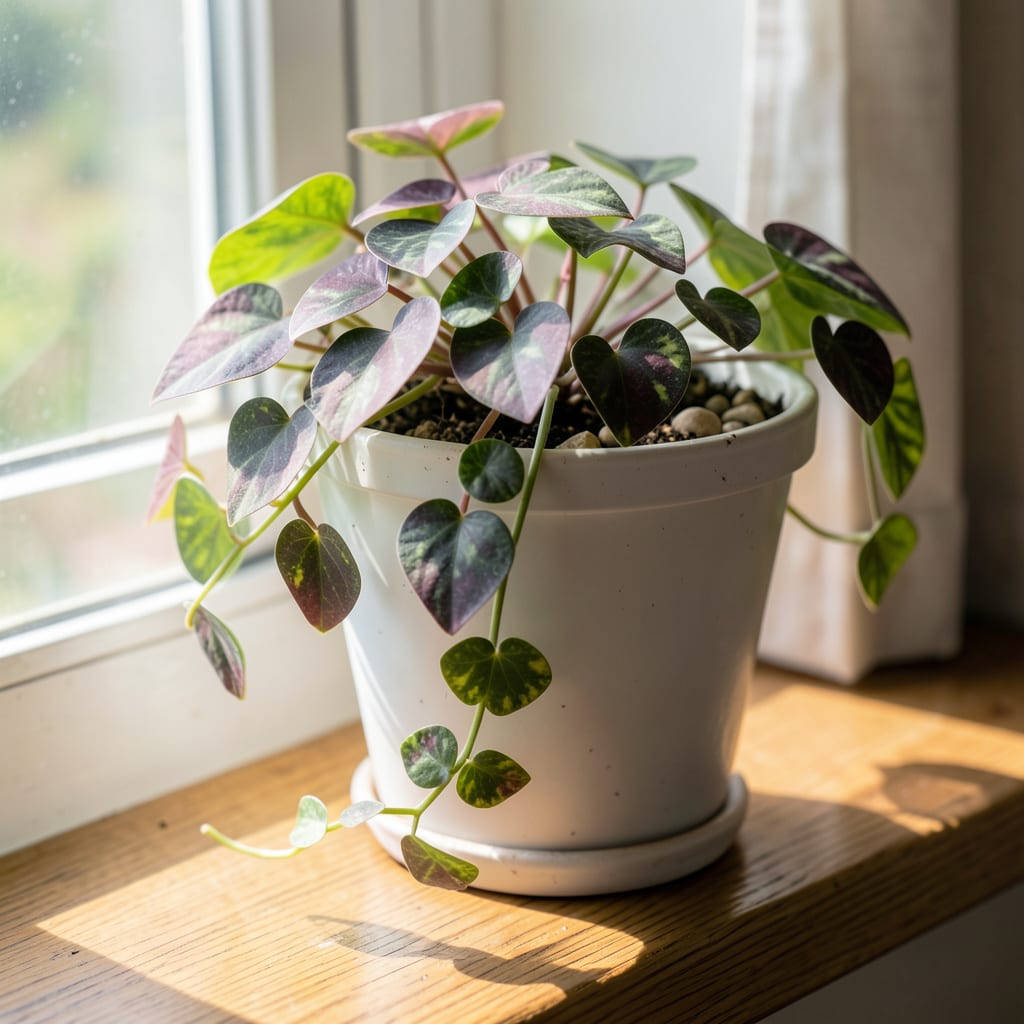
As I care for my Wandering Jew 🌿 plant, I’ve learned that understanding its light requirements is crucial for its health. This beautiful, trailing plant thrives in the right conditions, and I’m excited to share what I’ve discovered.
With its vibrant foliage, the Wandering Jew plant can brighten up any room, but it needs the right amount of light to flourish. Let’s explore how to provide the optimal lighting for this stunning plant in your home or garden in USDA Zone 6a.


I understand that providing the right amount of light is crucial for the health and beauty of my Wandering Jew plant. This popular houseplant is known for its vibrant foliage and trailing growth, making it a great addition to any indoor space 🌿.
The Wandering Jew plant thrives in bright indirect light, but it can also tolerate low light conditions. However, the intensity and duration of light it receives can significantly impact its growth and appearance.
Understanding these lighting requirements is essential for maintaining the health and vibrancy of your Wandering Jew plant. Proper lighting ensures that the plant’s beautiful foliage remains colorful and healthy.
The Wandering Jew plant’s ability to thrive in various lighting conditions makes it a versatile choice for different indoor environments. Whether you have a bright, sunny room or a more subdued space, this plant can adapt and flourish.
To ensure optimal growth, it’s essential to consider not just the type of light but also the duration of light exposure. Most Wandering Jew plants require 4-6 hours of bright indirect light per day.
While the plant can tolerate low light, it may not display its full color potential. In such conditions, the leaves may become more green and less vibrant, losing some of their characteristic coloration.
On the other hand, exposing the Wandering Jew plant to direct sunlight can be harmful. Direct sun can cause the leaves to become scorched, leading to damage and potentially harming the plant’s overall health.
To achieve the perfect balance, placing your Wandering Jew plant near an east or west-facing window is ideal. This orientation provides the right amount of bright indirect light without the harsh effects of direct sun.
In addition to natural light, you can also supplement with grow lights if necessary. This can be particularly useful during the winter months when daylight hours are shorter.
By understanding and meeting the lighting needs of your Wandering Jew plant, you can enjoy its beautiful, trailing growth and vibrant foliage throughout the year.
Regularly monitoring your plant’s response to its lighting conditions and making adjustments as needed will help ensure it remains healthy and thrives in its environment 🌱.
The Wandering Jew plant’s growth and appearance can be significantly affected by different lighting conditions. Understanding these effects is crucial for providing the best care for your plant 🌿.
When exposed to low light conditions, the Wandering Jew plant can survive but may not thrive. The leaves may become more green and less vibrant, losing some of their characteristic coloration.
The comparison table above illustrates how different lighting conditions impact the Wandering Jew plant. As shown, bright indirect light is the most beneficial for maintaining the plant’s vibrant colors and promoting healthy growth.
In low light conditions, while the plant can survive, its appearance may be less vibrant. The leaves may become more green and lose some of their characteristic color patterns.
On the other hand, direct sunlight can be harmful, causing the leaves to become scorched and potentially damaging the plant’s overall health.
To achieve the best results, it’s recommended to place your Wandering Jew plant in a location that receives bright indirect light for 4-6 hours a day.
East or west-facing windows are ideal for providing the right amount of light without the harsh effects of direct sun.
If natural light is insufficient, consider supplementing with grow lights to ensure your plant receives the necessary light for optimal growth.
By understanding how different lighting conditions affect your Wandering Jew plant, you can make informed decisions to provide the best care and enjoy its beautiful, trailing growth throughout the year 🌱.
Regular monitoring and adjustments to the lighting conditions will help maintain the plant’s health and vibrancy.
I understand that providing the right amount of light is crucial for the health and beauty of my Wandering Jew plant. This popular houseplant is known for its vibrant foliage and trailing growth, making it a great addition to any indoor space 🌿.
To ensure your Wandering Jew plant thrives, it’s essential to provide the right lighting conditions. Here are some tips to help you achieve optimal light for your plant.
Place your Wandering Jew plant near an east or west-facing window to provide the right amount of bright indirect light.
One of the most effective ways to provide optimal light is to position your plant near a suitable window. East or west-facing windows are ideal as they provide bright indirect light without the harsh effects of direct sun.
If natural light is insufficient, consider using grow lights to supplement the lighting. This is particularly useful during the winter months when daylight hours are shorter.
It’s also important to monitor your plant’s response to its lighting conditions and make adjustments as needed. If the leaves become too pale or scorched, it may be a sign that the light is too intense or insufficient.
By following these tips and providing the right lighting conditions, you can enjoy your Wandering Jew plant’s beautiful, trailing growth and vibrant foliage throughout the year 🌿.
Regularly checking on your plant and making necessary adjustments will help ensure it remains healthy and thrives in its environment.
With proper care and attention to its lighting needs, your Wandering Jew plant will continue to be a stunning addition to your indoor space.
The Wandering Jew plant thrives in bright indirect light, making it perfect for east or west-facing windows. This type of light promotes healthy growth and vibrant foliage. Avoid direct sunlight as it can cause scorching.
Yes, Wandering Jew plants can tolerate low light conditions, but their colors may become less vibrant and growth may slow. For optimal results, provide 4-6 hours of bright indirect light daily. This balance ensures the best color display and healthy growth.
If natural light is insufficient, consider using grow lights to supplement the lighting. This is particularly useful during winter months when daylight hours are shorter. Position grow lights to provide the necessary light without overexposing the plant.
Regularly monitor your plant’s response to its lighting conditions and make adjustments as needed. Check for signs like pale or scorched leaves, which may indicate too little or too much light. Adjust the plant’s position or lighting setup accordingly to maintain optimal conditions.
