
Beautiful Plants For Your Interior
Beautiful Plants For Your Interior
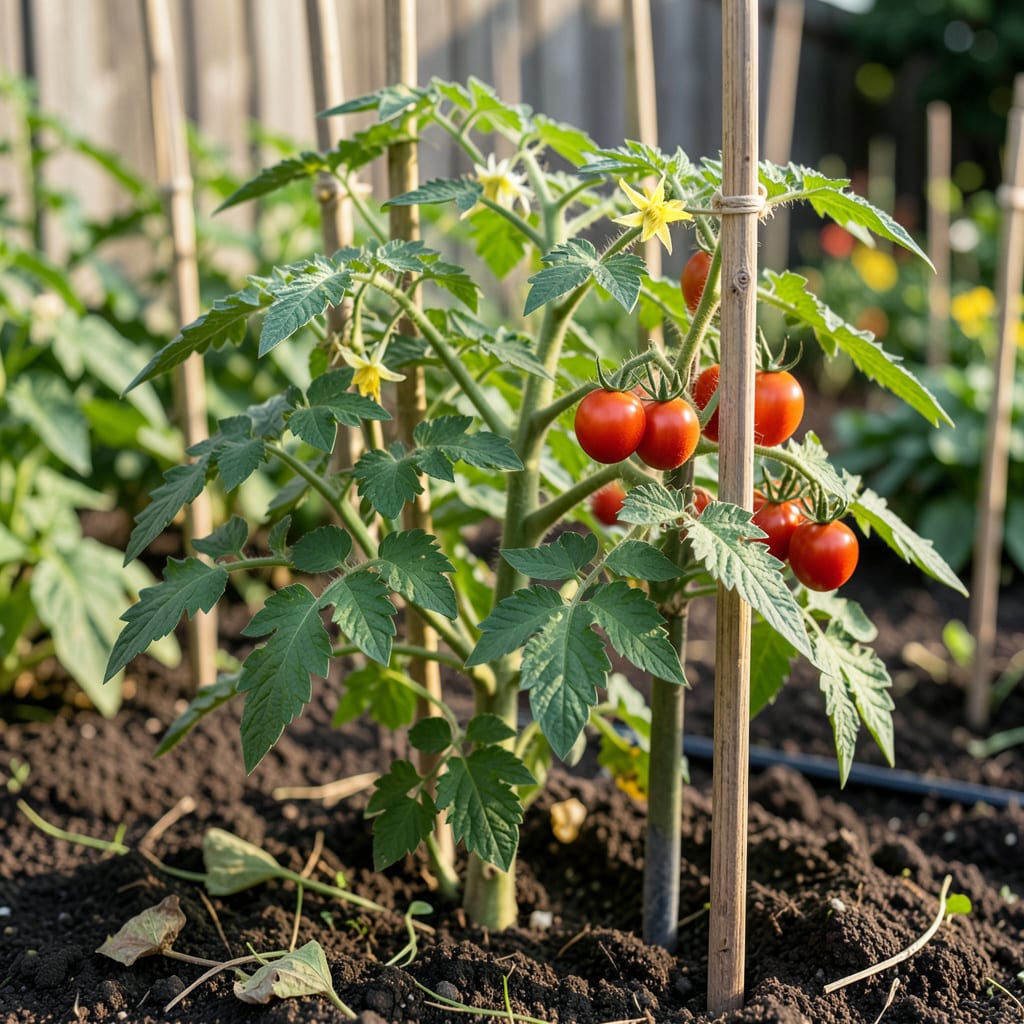
Growing tomato plants 🍅 successfully requires understanding their light requirements. Too little light leads to weak plants, while too much can cause sunscald – getting it just right is crucial for a bountiful harvest.
In USDA Zone 6, tomato plants need 6+ hours of direct sunlight daily. I’ll guide you through the optimal light conditions and practical tips to ensure your tomato plants thrive and produce a delicious crop.

Understanding the specific light needs for different growth stages of tomato plants is crucial for a successful harvest. Tomato plants require different amounts of light at various stages of their growth.
Tomato plants need 6+ hours of direct sunlight daily, making full sun the ideal condition for their growth. In USDA Zone 6, this is particularly important during the spring and summer months when the plants are actively growing and producing fruit 🌞.
The light requirements for tomato plants vary by stage. During the seedling stage, they need 12-14 hours of light per day. As they grow into the vegetative stage, 6-8 hours of direct sunlight is sufficient. Finally, during the fruiting stage, they require 8+ hours of direct sunlight to produce optimally 🌟.
Insufficient light can lead to weak and spindly plants, while excessive light can cause sunscald on the fruit. It’s essential to strike a balance and provide the right amount of light for optimal growth 🌿.
Tomato plants are sun-loving plants that thrive in full sun conditions. They require direct sunlight for a significant part of the day to undergo photosynthesis efficiently. This process is vital for their growth and development.
The ideal light conditions for tomato plants include full sun exposure, which means they should receive 6+ hours of direct sunlight daily. This ensures they get enough light energy to grow and produce fruit abundantly 🌻.
Light intensity also plays a significant role in the growth and development of tomato plants. High light intensity promotes healthy growth and fruit production, while low light intensity can result in weak and spindly plants 🌱.
To maximize natural light, ensure that your tomato plants are placed in a location that receives direct sunlight for the required duration. If growing indoors, consider using supplemental lighting such as grow lights to meet their light needs 💡.
Artificial lighting can be used to supplement natural light when necessary. LED grow lights are a popular choice for indoor gardening as they provide the necessary spectrum and intensity for plant growth without generating excessive heat 🔦.
By understanding and meeting the light requirements of your tomato plants, you can ensure they grow healthily and produce a bountiful harvest. Monitor their response to light and adjust their placement or supplemental lighting as needed to optimize their growth and productivity 📈.
In conclusion, providing the right amount of light is crucial for the successful cultivation of tomato plants. By understanding their light requirements and optimizing their light exposure, you can enjoy a healthy and productive harvest 🌼.
Light intensity plays a crucial role in the growth and development of tomato plants. It affects their overall health, productivity, and fruit quality. Understanding how light intensity impacts tomato plants is essential for optimizing their growth.
Tomato plants require high light intensity to undergo photosynthesis efficiently. This process is vital for their growth and development. Inadequate light intensity can lead to weak and spindly plants, reducing their yield and making them more susceptible to diseases 🌟.
Tomato plants need 6+ hours of direct sunlight daily for optimal growth and fruit production. Proper light exposure is critical for healthy plant development and maximizing yield.
Light intensity affects various aspects of tomato plant growth, including plant height, leaf development, and fruit production. Higher light intensity generally promotes healthier growth and more abundant fruiting 🌿.
Insufficient light can cause tomato plants to become leggy and weak, with reduced fruit production. On the other hand, excessive light can lead to sunscald on the fruit, damaging their quality 🔥.
To optimize light intensity for tomato plants, ensure they are placed in a location that receives direct sunlight for the required duration. If growing indoors, consider using supplemental lighting such as LED grow lights to meet their light needs 💡.
Monitoring light intensity and adjusting the placement of tomato plants accordingly can significantly improve their growth and productivity. By understanding and meeting their light requirements, you can enjoy a healthy and bountiful harvest 📈.
In conclusion, light intensity is a critical factor in the successful cultivation of tomato plants. By optimizing their light exposure, you can promote healthy growth, maximize yield, and enjoy a productive harvest 🌼.
To ensure your tomato plants receive the right amount of light, it’s essential to understand how to maximize both natural and artificial light. Proper light exposure is critical for healthy growth and fruit production.
Tomato plants thrive in full sun conditions, requiring 6+ hours of direct sunlight daily. When growing outdoors, choose a location that receives direct sunlight for the required duration 🌞.
For indoor growing, consider using LED grow lights to supplement natural light. Position them 6-12 inches above the plants and adjust duration according to the growth stage.
When growing indoors, supplemental lighting becomes necessary. LED grow lights are a popular choice as they provide the necessary spectrum and intensity for plant growth without generating excessive heat 🔦.
Artificial lighting can be adjusted based on the growth stage of your tomato plants. During the seedling stage, they require more hours of light, while during the fruiting stage, the focus should be on intensity rather than duration 🌟.
Monitoring light exposure is crucial. Observe your plants’ response to light and adjust their placement or supplemental lighting accordingly. This will help optimize their growth and productivity 📈.
In conclusion, maximizing both natural and artificial light is vital for the successful cultivation of tomato plants. By understanding their light needs and optimizing their light exposure, you can promote healthy growth and enjoy a bountiful harvest 🌼.
Tomato plants need at least 6 hours of direct sunlight daily for optimal growth and fruit production. This duration ensures they get enough light energy to undergo photosynthesis efficiently .
Yes, you can grow tomato plants indoors using artificial lighting. LED grow lights are a popular choice as they provide the necessary spectrum and intensity for plant growth without generating excessive heat .
Light intensity significantly impacts tomato plant growth, affecting their overall health, productivity, and fruit quality. Higher light intensity promotes healthier growth and more abundant fruiting .
Insufficient light can lead to weak and spindly plants, while excessive light can cause sunscald on the fruit. It’s essential to strike a balance and provide the right amount of light for optimal growth .
