
Beautiful Plants For Your Interior
Beautiful Plants For Your Interior
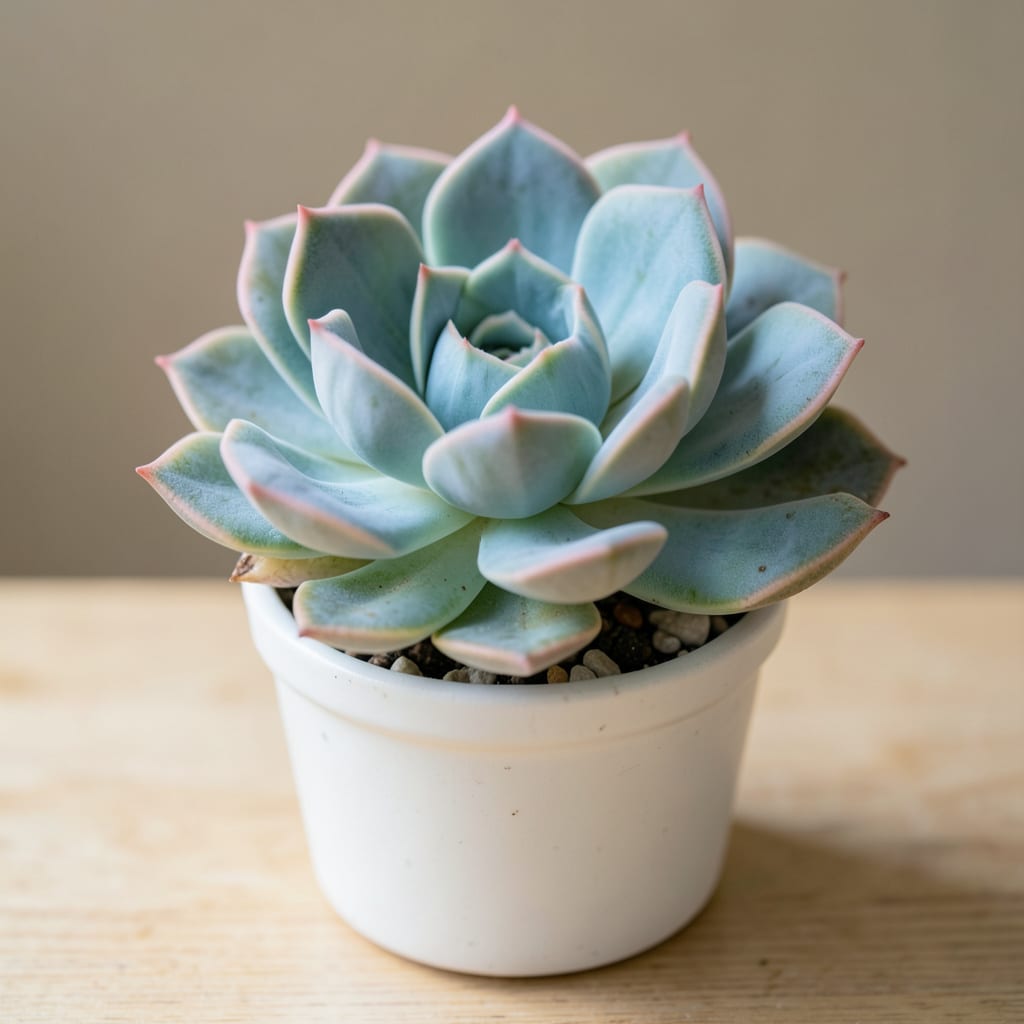
As a succulent enthusiast, I’ve learned that these beautiful plants 🌵 need the right amount of light to thrive. Too little or too much can be detrimental to their health.
In this guide, I’ll share the essential light requirements for succulents in USDA Zone 6, helping you provide the perfect conditions for your plants to flourish. Let’s dive into the details.
 Best Window Placement
Succulents are known for their ability to thrive in bright conditions, but different types have varying light requirements. Understanding these needs is crucial for maintaining their health and beauty 🌵.
I recommend starting with the basics: most succulents need bright, indirect light to photosynthesize effectively. However, some species can tolerate full sun or low light conditions.
The ideal light conditions vary depending on the type of succulent. For example, Aloe vera and Echeveria prefer bright, indirect light, while Cacti can tolerate full sun.
When growing succulents indoors, it’s essential to place them near a south or east-facing window to provide the right amount of light. If you’re using artificial lighting, ensure it’s at least 6-12 inches away from the plants.
Some succulents can adapt to low light conditions, but they may not thrive or produce as many flowers. On the other hand, succulents that receive too much direct sunlight can become scorched or discolored.
To ensure your succulents receive the right amount of light, observe their response to different light conditions. If they’re not getting enough light, they may become leggy or stretched. Conversely, if they’re getting too much light, they may develop sunburn or discoloration.
By understanding the specific light requirements of your succulents, you can provide them with the best conditions to grow and flourish. Whether you’re a seasoned gardener or a beginner, paying attention to light needs is crucial for successful succulent care 🌱.
Different succulent species have unique characteristics that affect their light needs. For instance, succulents with thick, fleshy leaves can generally tolerate more light than those with thin or delicate leaves.
It’s also important to consider the time of year and climate when assessing light requirements. Succulents may need more light during the growing season and less during the dormant season.
By providing your succulents with the right amount of light, you can promote healthy growth and enjoy their beautiful shapes and colors. Remember, the key is to observe and adjust their light exposure accordingly 🔥.
In conclusion, understanding succulent light requirements is vital for their care. By knowing the specific needs of your plants and adjusting their light exposure, you can help them thrive and enjoy their beauty for years to come.
When it comes to succulent care, providing the right amount of light is crucial for their health and beauty. Most succulents need bright, indirect light to thrive, but some can tolerate full sun or low light conditions 🌵.
I recommend starting with the basics: observe your succulents’ response to different light conditions. If they’re not getting enough light, they may become leggy or stretched. Conversely, if they’re getting too much light, they may develop sunburn or discoloration.
Place succulents near a south or east-facing window to provide the right amount of light. If you’re using artificial lighting, ensure it’s at least 6-12 inches away from the plants.
To provide the right amount of light, consider the type of succulent you’re growing. For example, Aloe vera and Echeveria prefer bright, indirect light, while Cacti can tolerate full sun.
When growing succulents indoors, it’s essential to monitor their light exposure and adjust their placement accordingly. If you’re unsure, start with bright, indirect light and adjust as needed.
Some succulents can adapt to low light conditions, but they may not thrive or produce as many flowers. On the other hand, succulents that receive too much direct sunlight can become scorched or discolored.
By understanding the specific light requirements of your succulents and providing the right amount of light, you can promote healthy growth and enjoy their beautiful shapes and colors 🌼.
Remember, the key to successful succulent care is to observe and adjust their light exposure accordingly. With the right amount of light, your succulents will thrive and bring joy to your space.
Understanding the signs of light stress in succulents is crucial for maintaining their health and beauty. As a succulent enthusiast, I’ve learned to recognize these signs and adjust their light exposure accordingly 🌵.
Succulents that receive too little light may become leggy or stretched, while those that get too much light may develop sunburn or discoloration. It’s essential to monitor your succulents’ response to different light conditions and adjust their placement accordingly.
To ensure your succulents thrive, observe their response to light and adjust their placement accordingly. Most succulents need bright, indirect light to photosynthesize effectively.
Some common signs of light stress in succulents include discoloration, scorching, or stretching. If you notice any of these signs, adjust your succulents’ light exposure to promote healthy growth and enjoy their beautiful shapes and colors.
For example, if your succulent is getting too much direct sunlight, consider moving it to a spot with bright, indirect light. On the other hand, if it’s not getting enough light, consider supplementing with artificial lighting or moving it to a brighter location 🔦.
By recognizing the signs of light stress and adjusting your succulents’ light exposure, you can help them thrive and enjoy their beauty for years to come 🌼.
Remember, the key to successful succulent care is to observe and adjust their light exposure accordingly. With the right amount of light, your succulents will thrive and bring joy to your space.
Most succulents need bright, indirect light to thrive. Placing them near a south or east-facing window is ideal. This provides the right amount of light without causing damage.
Some succulents, like Cacti, can tolerate full sun, while others may become scorched. It’s essential to research the specific needs of your succulent variety. If you’re unsure, start with bright, indirect light and adjust as needed.
Watch for signs like discoloration, scorching, or stretching. If your succulent is getting too little light, it may become leggy. Conversely, too much light can cause sunburn. Adjust their placement accordingly to promote healthy growth.
Yes, you can use artificial lighting for your succulents. Ensure it’s at least 6-12 inches away from the plants to prevent burning. This is especially helpful during the dormant season or in low-light environments.
