
Beautiful Plants For Your Interior
Beautiful Plants For Your Interior
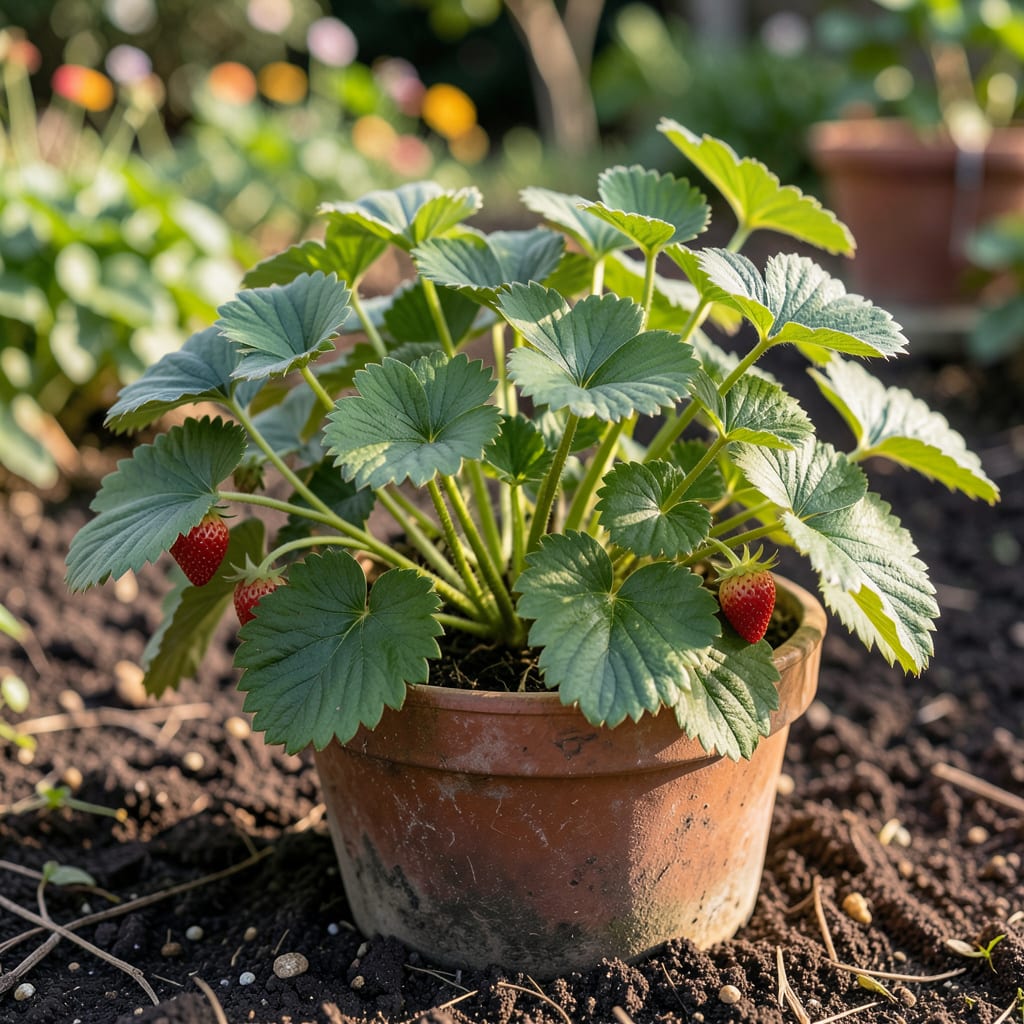
Growing strawberry plants 🍓 can be incredibly rewarding, but getting their light requirements right is crucial. In USDA Zone 6, understanding their needs is key to a successful harvest.
I’ll share the essential light requirements for your strawberry plants to thrive, helping you create the perfect conditions for a bountiful harvest. Let’s explore how to give your plants the right amount of light.

Understanding the light requirements for strawberry plants is crucial for their growth and fruit production. Strawberry plants need full sun to produce the best fruit, which means they require at least 6 hours of direct sunlight daily 🌞.
The amount of light affects not just the quantity but also the quality of the strawberries. Photosynthesis is critical for plant growth, and adequate light ensures that strawberry plants can produce the energy they need to develop healthy leaves, flowers, and fruit 🌿.
When growing strawberry plants, it’s essential to consider their light needs to ensure they receive adequate sunlight. If you’re growing them indoors, placing them near a south-facing window can help maximize their light exposure 🌻.
In outdoor settings, choosing a location that receives full sun is ideal. Avoid shading from trees or other structures that could block sunlight. For container-grown strawberries, you can move them to different locations to optimize sun exposure 📦.
For container gardening, ensure that the pots are not too deep, as this can lead to poor drainage and root rot. Elevating containers can also help improve air circulation and light distribution 🌱.
Grow lights can be a great supplement for indoor strawberry plants, especially during the winter months when natural light is limited. LED grow lights are a popular choice due to their energy efficiency and ability to provide the specific spectrum needed for plant growth 💡.
It’s also worth noting that while strawberry plants need a lot of light, they can be sensitive to extreme temperatures. Providing some shade during the hottest part of the day can help prevent overheating and stress on the plants 🌡️.
By understanding and meeting the light requirements of your strawberry plants, you can enjoy a healthier and more productive harvest. Whether you’re growing them indoors or outdoors, ensuring they get enough light is key to their success 🌼.
Regularly monitoring your plants’ response to light and adjusting their placement as needed can make a significant difference in their overall health and productivity 📈.
In summary, strawberry plants thrive in full sun with at least 6 hours of direct sunlight daily. By providing the right light conditions, you can enjoy a bountiful harvest of delicious strawberries 🍓.
For more detailed information on growing strawberries, including tips on watering, fertilizing, and pest management, be sure to check out our comprehensive gardening guides 📚.
To ensure your strawberry plants receive the right amount of light, it’s essential to position them correctly both indoors and outdoors. When growing indoors, place your plants near a south-facing window to maximize their exposure to natural light 🌞.
If you’re using grow lights, position them about 6-12 inches above your plants. This distance helps prevent overheating while providing sufficient light. LED grow lights are particularly effective as they offer the specific spectrum needed for healthy plant growth 💡.
Rotate your strawberry plants every few days to ensure even light distribution and prevent uneven growth 🌱.
Outdoors, choose a location that receives full sun for at least 6 hours a day. Avoid areas shaded by trees or structures that could block sunlight. For container-grown strawberries, you can move them to different locations to optimize sun exposure 📦.
Container gardening offers the flexibility to adjust your plants’ position throughout the day. Elevating containers can also improve air circulation and light distribution, contributing to healthier plants 🌿.
It’s also worth noting that while strawberry plants need a lot of light, they can be sensitive to extreme temperatures. Providing some shade during the hottest part of the day can help prevent overheating and stress on the plants 🌡️.
By understanding and implementing these strategies, you can maximize the light exposure for your strawberry plants, leading to a more bountiful and healthier harvest 🍓.
Regular monitoring of your plants’ response to light and making necessary adjustments will ensure they thrive in their environment 📈.
When strawberry plants don’t receive enough light, it can significantly impact their health and productivity. Insufficient light leads to weak and spindly growth, reducing the plant’s ability to produce fruit 🌿.
Inadequate light affects the plants’ ability to undergo photosynthesis, which is crucial for their growth and development. This can result in smaller and fewer fruits, making it essential to ensure your plants get enough light 🍓.
Insufficient light can lead to poor fruit production and weak plant health. Ensure your strawberry plants receive adequate sunlight to avoid these issues ⚠️.
To troubleshoot light-related issues, first check if your plants are receiving enough direct sunlight. If not, consider relocating them to a sunnier spot or supplementing with grow lights 💡.
Regularly monitoring your plants’ response to light and making necessary adjustments will help maintain their health and productivity. By understanding the importance of light and taking steps to ensure your strawberry plants receive enough, you can enjoy a healthier and more bountiful harvest 📈.
In summary, inadequate light can have significant negative effects on strawberry plants, including reduced fruit production and poor health. Ensuring they receive sufficient light is crucial for their success 🌞.
For more tips on growing strawberries and addressing common issues, check out our comprehensive gardening guides 📚.
Yes, strawberry plants can suffer from excessive sunlight, especially in warmer climates. While they need full sun, too much direct sunlight during the hottest part of the day can cause leaf scorch and stress. Providing some afternoon shade can help prevent this .
You can use LED grow lights to supplement natural light for indoor strawberry plants. Position them 6-12 inches above the plants to provide the necessary spectrum for healthy growth without overheating .
Insufficient light can cause strawberry plants to become weak and spindly, with reduced fruit production. You may notice smaller leaves and fewer flowers or fruits. Ensuring they receive at least 6 hours of direct sunlight daily can help prevent these issues .
While strawberry plants can tolerate some shade, they won’t produce as much fruit as they would in full sun. If you must grow them in a shaded area, choose a spot that receives morning sun and consider supplementing with grow lights for better results .
