
Beautiful Plants For Your Interior
Beautiful Plants For Your Interior
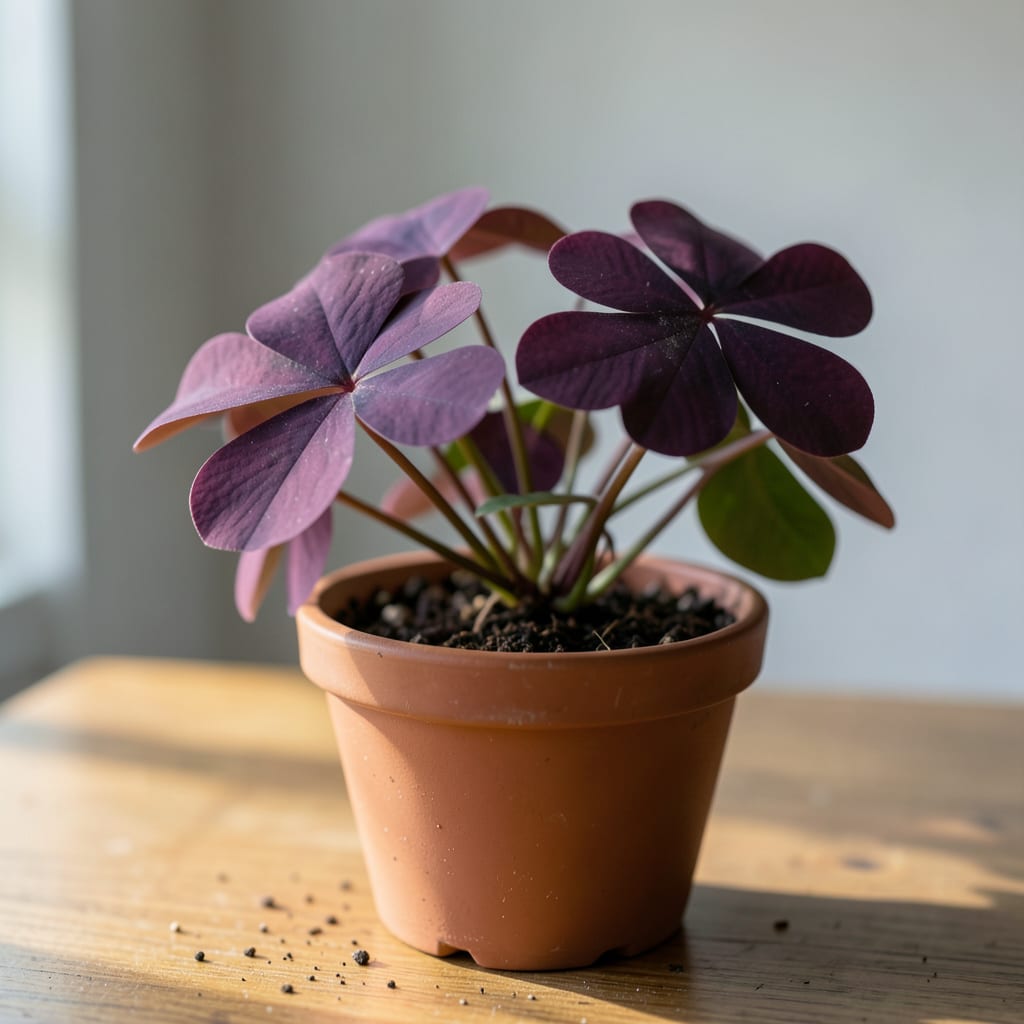
As I gaze at my shamrock plant ☘️, I’m reminded that proper lighting is crucial for its health. Too little light can cause weak growth, while too much can lead to scorching.
So, how much light does it need? Shamrock plants thrive in bright indirect light, making an east or west-facing window ideal. Let’s explore the optimal lighting conditions to keep your shamrock plant happy and thriving.

Shamrock plants require specific lighting conditions to thrive. They need bright indirect light for optimal growth, which typically means 4-6 hours of light per day. Direct sunlight can be too intense and may cause leaf scorch.
An east or west-facing window is ideal for shamrock plants as it provides the right amount of indirect light. Avoid placing them in south-facing windows without a sheer curtain to filter the intense sunlight. ☘️
When it comes to natural light, shamrock plants can also adapt to artificial lighting. Fluorescent lights or LED grow lights can supplement or replace natural light, especially during the winter months when daylight hours are shorter.
It’s essential to be aware of the signs of too little or too much light. If your shamrock plant is receiving too little light, it may become leggy or fail to produce flowers. On the other hand, too much direct sunlight can cause the leaves to become scorched.
To ensure your shamrock plant gets the right amount of light, you can also consider using light-diffusing materials like sheer curtains to filter the sunlight. This can help prevent leaf scorch while still providing enough light for the plant.
In addition to the type and duration of light, the intensity of the light also plays a crucial role. Shamrock plants prefer light that is not too harsh, so a spot with bright, indirect light is perfect.
By providing your shamrock plant with the right lighting conditions, you can enjoy its beautiful three-leaf foliage and vibrant flowers. Remember, the key is to strike a balance between providing enough light for growth and avoiding too much direct sunlight.
Shamrock plants are relatively adaptable to different lighting conditions, but optimal growth occurs in consistent bright indirect light. This makes them a great choice for indoor spaces with suitable window orientations.
For those growing shamrock plants outdoors, it’s crucial to provide them with the right amount of shade, especially in warmer climates. Using shade cloth or planting them under a tree can help achieve the desired light conditions.
In summary, shamrock plants need bright indirect light for 4-6 hours a day, making them suitable for east or west-facing windows. By understanding and providing the optimal lighting conditions, you can keep your shamrock plant healthy and thriving.
By following these guidelines, you can create an ideal environment for your shamrock plant to flourish, enjoying its unique beauty and charm throughout the year 🌿.
Shamrock plants are sensitive to various lighting conditions, and understanding their impact is crucial for maintaining plant health. The right lighting can promote healthy growth and vibrant foliage, while incorrect lighting can lead to issues like leggy growth or leaf scorch. 🌿
Different lighting conditions affect shamrock plants in various ways. For instance, direct sunlight can be too intense and cause damage to the leaves, while low light environments can result in weak and spindly growth. It’s essential to find the right balance to keep your shamrock plant thriving.
In addition to understanding the effects of different lighting conditions, it’s also important to consider the duration of light exposure. Shamrock plants generally require 4-6 hours of bright indirect light per day for optimal health.
Artificial lighting can be a useful supplement, especially during periods with limited natural daylight. Fluorescent or LED grow lights can help maintain the necessary light levels for shamrock plants.
When adjusting lighting conditions, it’s crucial to monitor your plant’s response. Signs of too little light include yellowing leaves or stretched stems, while too much light can cause browning or scorching of the leaves.
By understanding how different lighting conditions affect shamrock plant health, you can make informed decisions to create an optimal environment for your plant. This includes being mindful of the type, intensity, and duration of light your shamrock plant receives.
For shamrock plants placed outdoors, consider using shade cloth to filter intense sunlight, especially in warmer climates. This can help prevent leaf scorch while still providing sufficient light.
Ultimately, the key to maintaining a healthy shamrock plant is finding the right balance in lighting. By providing the appropriate conditions, you can enjoy the beauty and charm of your shamrock plant throughout the year 🌟.
Managing lighting for shamrock plants requires understanding their adaptability to different environments. Whether you’re growing them indoors or outdoors, the key is to provide bright indirect light while avoiding direct sunlight that can cause damage 🌿.
For indoor shamrock plants, use sheer curtains to filter direct sunlight, especially during peak hours. This helps maintain bright indirect light conditions.
When growing shamrock plants outdoors, choose a location with partial shade, especially during the hottest part of the day. This can be under a tree or using a shade cloth to filter the intense sunlight.
Seasonal changes also affect lighting conditions. During winter months, when daylight hours are shorter, consider supplementing with artificial lighting like LED grow lights to maintain the required 4-6 hours of bright indirect light.
In summer, be cautious of the intense sunlight. Move plants further from windows or use light-diffusing materials to prevent leaf scorch. Shamrock plants generally require consistent bright indirect light throughout the year.
For indoor cultivation, an east or west-facing window is ideal as it provides the right amount of indirect light without the harsh direct sunlight that can cause damage.
Monitoring your shamrock plant’s response to lighting conditions is crucial. Signs of too little light include yellowing leaves or leggy growth, while too much light can cause leaf scorch or browning.
By adjusting lighting conditions according to the environment and season, you can create an optimal setting for your shamrock plant to thrive. This includes being mindful of the type, intensity, and duration of light your plant receives 🌟.
Ultimately, understanding and managing the lighting for your shamrock plant is key to its health and vitality. With the right approach, you can enjoy the beauty of your shamrock plant throughout the year.
An east or west-facing window is perfect for shamrock plants as it provides bright indirect light without harsh direct sunlight. This orientation helps maintain optimal growth and prevents leaf scorch.
No, shamrock plants are sensitive to direct sunlight which can cause leaf scorch. It’s best to filter the sunlight using sheer curtains or place the plant near an east or west-facing window. This helps maintain the right light intensity.
Shamrock plants require 4-6 hours of bright indirect light per day for optimal health and growth. You can supplement with artificial lighting during winter months when natural daylight is limited.
Yes, shamrock plants can thrive under artificial lighting. Fluorescent or LED grow lights are excellent options, especially during periods with limited natural daylight. This helps maintain consistent light levels and promotes healthy growth.
