
Beautiful Plants For Your Interior
Beautiful Plants For Your Interior
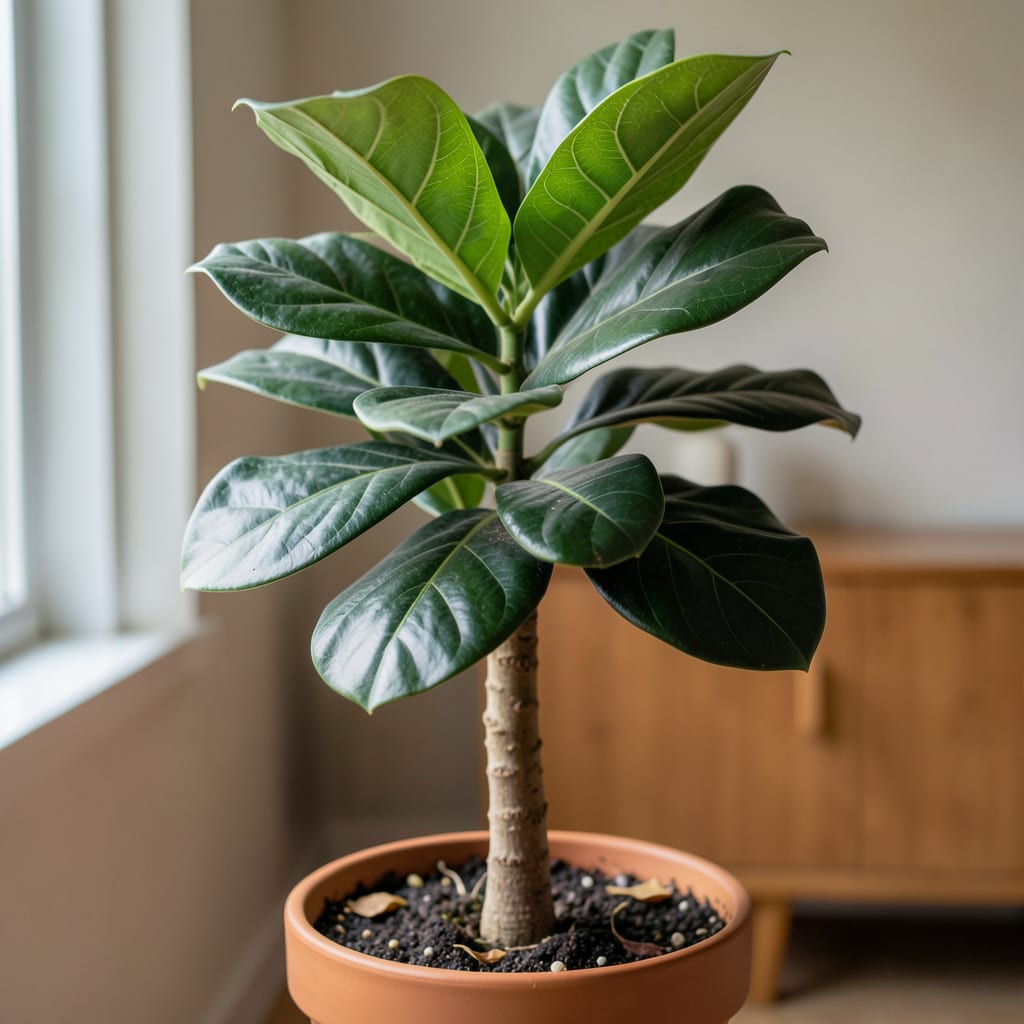
If you’ve ever watched your tomatoes struggle in what you thought was a sunny spot or seen your hostas crisp in the afternoon heat, you know light is everything. Plants aren’t just picky—they’re biologically programmed to thrive under specific light conditions. Get this wrong, and you’ll battle leggy stems, yellow leaves, or zero flowers all season.
The secret? Understanding that “full sun” doesn’t mean the same thing in Arizona as it does in Oregon, and that “partial shade” is a moving target as seasons change. Let’s break down what these terms actually mean for your plants—and how to match them to your garden’s unique conditions. ☀️
Here’s where most gardeners go wrong: assuming “full sun” means any 6 hours of sunlight. But 10AM-4PM sun is far more intense than 6AM-12PM sun. I learned this the hard way when my pepper plants fried in July despite getting “6 hours” of afternoon sun. Now I use the hand shadow test—if my shadow is crisp at noon, that spot is too intense for most plants.
For indoor plants, that “bright indirect light” label is deceptive. A south-facing window in winter might only give 2 hours of direct light, while the same spot in summer could hit 8+ hours. I keep a sunlight journal for a week each season, noting when sun hits my plants and for how long. It’s the only way to nail those partial shade requirements.
Geography changes everything too. My gardening friend in Portland grows full-sun lavender in spots where I’d only plant partial-shade impatiens in Phoenix. If you’re in the Southwest, subtract 2 hours from the “full sun” recommendation. In the Pacific Northwest, you might need to add 1-2 hours to compensate for weaker sunlight.
Don’t forget about seasonal shifts. That perfect partial shade spot under your maple tree in June becomes a full sun death trap by August when the leaves thin out. I use a cheap light meter app (like Lux Light Meter) to track changes. When my hydrangeas started getting crispy edges in late summer, the app showed their light exposure had doubled!
Container gardeners, listen up: Pots heat up faster than ground soil
If you’ve ever wondered why your indoor basil looks sad while your outdoor tomatoes thrive, the answer often boils down to light. Measuring light accurately is the first step to fixing common issues like leggy growth or scorched leaves. I’ll show you simple tricks to assess light levels without fancy tools.
For outdoor plants, the hand shadow test works wonders: if your shadow is crisp at noon, you’ve got full sun; if it’s fuzzy, it’s partial shade. Indoor growers can use free smartphone apps like Lux Light Meter to measure brightness in foot-candles or lumens.
Adjusting light for indoor plants is often easier than you think. If your snake plant or ZZ plant isn’t getting enough light, try moving it closer to a south-facing window or adding a grow light for 12-14 hours/day. For outdoor plants, shade cloth (30-50% density) can protect lettuce or spinach from harsh afternoon sun.
One mistake I see often? Assuming “bright indirect light” means the same for all plants. A monstera thrives in bright, filtered light, while a peperomia prefers gentler conditions. Rotate pots quarter-turn weekly to ensure even growth—this prevents plants from leaning toward the light source.
For outdoor gardens, pay attention to microclimates. A spot near a white fence reflects extra light, while areas under tree canopies create dappled shade. If your tomatoes aren’t ripening, they might need more direct sun. Conversely, hostas or ferns will crisp up in full afternoon exposure.
If you’re using artificial lights, remember: LEDs are energy-efficient and cool, while fluorescents work well for seedlings. Set timers for consistency—plants rely on predictable light cycles. And don’t forget, dusty leaves block light absorption, so wipe them gently with a damp cloth every few weeks.
Finally, track changes over 7-10 days after adjusting light. Look for new growth, darker green leaves, or flowers forming—these are signs you’ve nailed the exposure. If problems persist, reassess and tweak. Gardening is all about observation and adaptation! ☀️
When your houseplants or garden favorites start looking sad, light is often the culprit. I’ve seen leggy stems stretch toward windows and crispy leaves after a heatwave—both clear SOS signals. The key is recognizing these visual symptoms early before they stunt growth or kill your plants.
For example, tomato plants with pale yellow leaves might need more sun, while succulents turning brown likely got too much. Even low-light lovers like pothos can suffer if conditions are too dim. Let’s decode what your plants are telling you—and how to respond.
I always check my plant tags for light requirements, but real-world conditions vary. A south-facing window might fry a fern that thrives in my bathroom’s low light. Use the hand shadow test: sharp shadows mean full sun, soft edges indicate partial shade.
For outdoor plants, watch the sun’s path through seasons. My pepper plants loved summer sun but needed afternoon shade by August. Container gardens are easier—just move pots! With in-ground plants, try companion planting (tall crops like corn can shade lettuce).
Pro tip: Rotate potted plants weekly so all sides get equal light. I mark my calendar to turn my fiddle-leaf fig every Sunday. And remember—artificial light works too! A $20 LED grow bulb saved my herb garden last winter when daylight dipped below 10 hours. 🌱
If you’re still unsure, grab a lux meter app (I use Light Meter on Android). Most vegetables need 10,000+ lux, while snake plants thrive at 1,000 lux. When in doubt, mimic a plant’s native habitat—desert cacti want sun, forest floor plants prefer shade. ✅
Check for new growth and vibrant leaf color. If stems look leggy or leaves appear pale, it’s likely not getting enough. Use the hand shadow test—sharp shadows mean strong light, while fuzzy edges indicate weaker exposure.
Look for brown, crispy edges or bleached spots on leaves. These are signs of sunburn. Move sensitive plants to partial shade or use 30% shade cloth during peak afternoon hours.
Direct light means unfiltered sunlight hitting the plant, like near a south-facing window. Indirect light is bright but diffused, such as through a sheer curtain. Most houseplants thrive in bright indirect light.
Use LED grow lights placed 12-18 inches above plants for 12-16 hours/day. Rotate pots weekly for even exposure. A simple $20 bulb can make a big difference for herbs or seedlings.
Yes! Winter light is 30-50% weaker, so plants may need moving closer to windows or supplemental lighting. In summer, watch for intense afternoon sun that can scorch leaves. Adjust placements seasonally for best results.
