
Beautiful Plants For Your Interior
Beautiful Plants For Your Interior
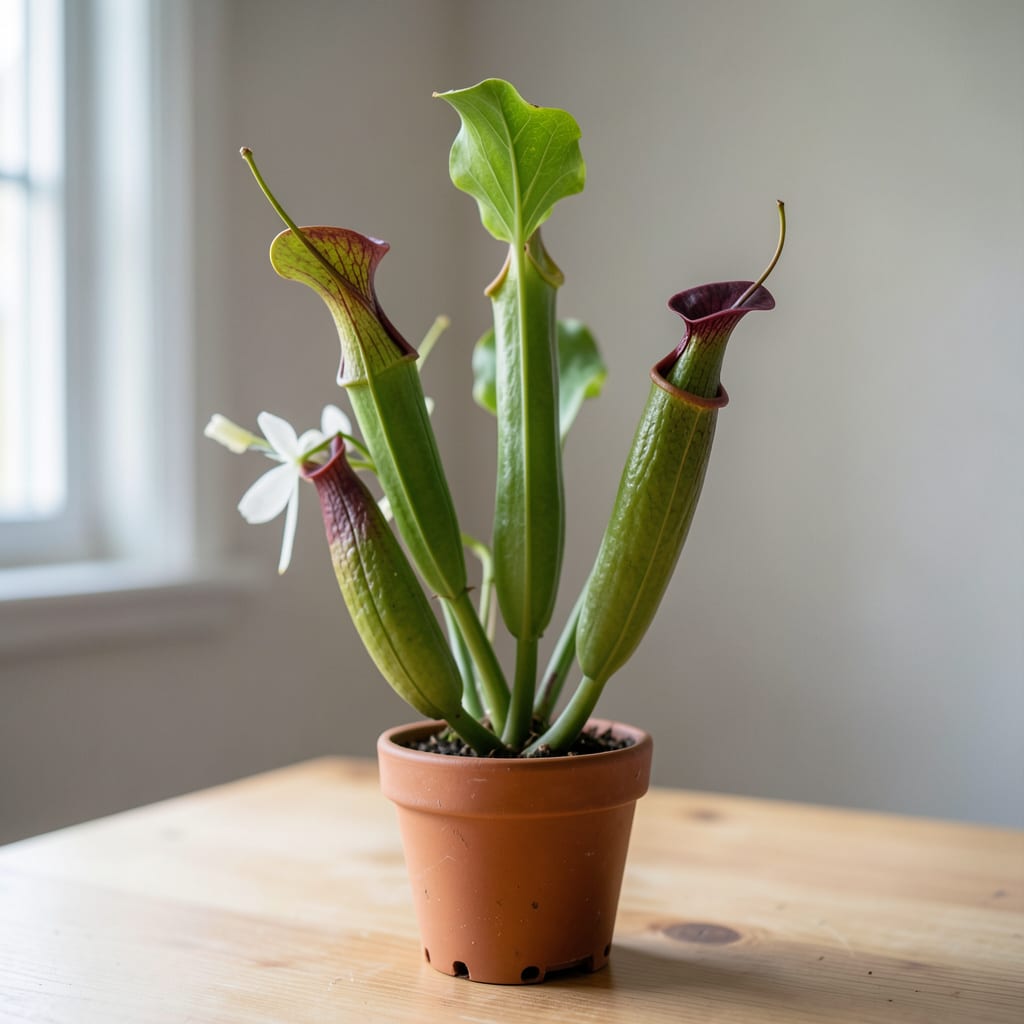
As I care for my Pitcher Plant 🌱, I’ve learned that lighting is crucial for its survival. In USDA Zone 6, providing the right amount of light can be challenging, but it’s essential for this fascinating carnivorous plant to thrive.
So, how much light does your Pitcher Plant 🌱 actually need? Let’s explore the ideal lighting conditions and how to achieve them to keep your plant healthy and happy.


When it comes to caring for Pitcher Plants 🌱, understanding their light requirements is crucial. These fascinating carnivorous plants thrive in specific lighting conditions, and providing the right amount of light is essential for their optimal growth and health.
Pitcher Plants typically require bright, indirect light to photosynthesize and capture prey effectively. In their natural habitats, they often grow in boggy areas with partial shade, receiving filtered sunlight throughout the day 🌿.
Pitcher Plants are adapted to thrive in low-nutrient environments, and their light requirements reflect this adaptation. While they need sufficient light to support photosynthesis, direct sunlight can be detrimental, causing damage to their delicate leaves 🔍.
The ideal light intensity for Pitcher Plants is often compared to that of a partially shaded area. In indoor settings, placing them near east or west-facing windows can provide the right balance of light without the harsh direct rays of the sun 🌞.
It’s also worth noting that Pitcher Plants can tolerate some variation in light conditions. However, consistency is key to maintaining their health and promoting vigorous growth 🌱.
For those using grow lights, it’s essential to mimic the natural light spectrum and duration. A fluorescent or LED grow light set to provide 12-14 hours of light per day can be an effective supplement, especially during the shorter days of winter 🌟.
When adjusting the lighting for your Pitcher Plant, observe its response closely. If the plant is not receiving enough light, it may become leggy or produce fewer pitchers. Conversely, too much light can cause the leaves to become scorched or discolored ⚠️.
Maintaining the right balance of light is a critical aspect of Pitcher Plant care. By understanding and meeting their light requirements, you can enjoy the unique beauty and fascinating carnivorous habits of these plants for years to come 🌿.
In summary, Pitcher Plants require careful consideration of their lighting needs to thrive. By providing bright, indirect light for 4-6 hours daily, you can create an optimal environment for these remarkable plants to flourish 🌟.
By following these guidelines and being mindful of your Pitcher Plant’s response to its lighting conditions, you can ensure it remains healthy and continues to captivate with its unique characteristics 🌱.
Now that we’ve covered the basic light requirements for Pitcher Plants 🌱, let’s dive into the practical aspects of providing the right amount of light for your plant. Proper placement and understanding of light conditions are crucial for maintaining your plant’s health 🌿.
First, it’s essential to understand that Pitcher Plants thrive in bright, indirect light. This means they need 4-6 hours of light that is not directly hitting their leaves. Direct sunlight can cause damage, so it’s crucial to filter the light or use a window that provides indirect sunlight 🌞.
For optimal growth, place your Pitcher Plant near an east or west-facing window. This provides the right balance of bright, indirect light without the harsh direct rays of the sun 🌟.
When placing your Pitcher Plant, consider the window orientation. East or west-facing windows are ideal as they provide gentle, indirect light for the required 4-6 hours daily. Avoid south-facing windows unless you can filter the light, as they can be too intense 🔍.
If natural light is limited, you can supplement with grow lights. Use fluorescent or LED grow lights set to provide 12-14 hours of light per day. This is especially helpful during the shorter days of winter when natural light is scarce 🌟.
It’s also important to monitor your plant’s response to its lighting conditions. If it’s not getting enough light, it may become leggy or produce fewer pitchers. On the other hand, too much light can cause the leaves to become scorched or discolored ⚠️.
By understanding and adjusting the lighting for your Pitcher Plant, you can create an optimal environment for it to thrive. Remember, consistency is key to maintaining its health and promoting vigorous growth 🌱.
In summary, providing the right amount of light involves understanding the ideal light type and duration, choosing the right window orientation, and being prepared to supplement with grow lights if necessary 🌿.
By following these guidelines, you can ensure your Pitcher Plant receives the light it needs to flourish, allowing you to enjoy its unique beauty and fascinating carnivorous habits for years to come 🌟.
Understanding the effects of light on Pitcher Plant health is crucial for their successful cultivation. Both insufficient and excessive light can have significant impacts on these fascinating carnivorous plants 🌿.
Insufficient light can lead to several negative consequences for Pitcher Plants. When these plants don’t receive enough light, they may become leggy or produce fewer pitchers, which are essential for their carnivorous habits 🔍.
On the other hand, excessive light, particularly direct sunlight, can cause leaf scorch and damage to the plant’s delicate leaves. This can weaken the plant and make it more susceptible to pests and diseases ⚠️.
To maintain optimal health, it’s essential to strike a balance. Bright, indirect light for 4-6 hours daily is generally recommended. Monitoring your plant’s response to its lighting conditions and making adjustments as necessary is key to ensuring its well-being 🌱.
By being aware of the potential impacts of both insufficient and excessive light, you can take steps to provide your Pitcher Plant with the optimal lighting conditions it needs to thrive 🌟.
In summary, understanding the effects of light on Pitcher Plant health allows you to create a nurturing environment that supports their unique needs and promotes their overall health and vitality 🌿.
By following these guidelines and being mindful of your plant’s lighting needs, you can enjoy the fascinating characteristics of your Pitcher Plant for years to come 🌟.
No, Pitcher Plants should not be kept in direct sunlight as it can cause leaf scorch and damage. They require bright, indirect light for 4-6 hours daily. Place them near east or west-facing windows for optimal light conditions.
If your Pitcher Plant is not getting enough light, it may become leggy or produce fewer pitchers. On the other hand, too much light can cause leaves to become scorched. Monitor your plant’s response and adjust its lighting accordingly.
Yes, you can use fluorescent or LED grow lights to supplement natural light, especially during winter months. Set them to provide 12-14 hours of light per day to mimic natural conditions. This helps maintain your plant’s health and promotes vigorous growth.
If your Pitcher Plant gets too little light, it may become leggy and produce fewer pitchers, affecting its overall health and carnivorous abilities. Ensure it receives bright, indirect light for the recommended duration.
