
Beautiful Plants For Your Interior
Beautiful Plants For Your Interior
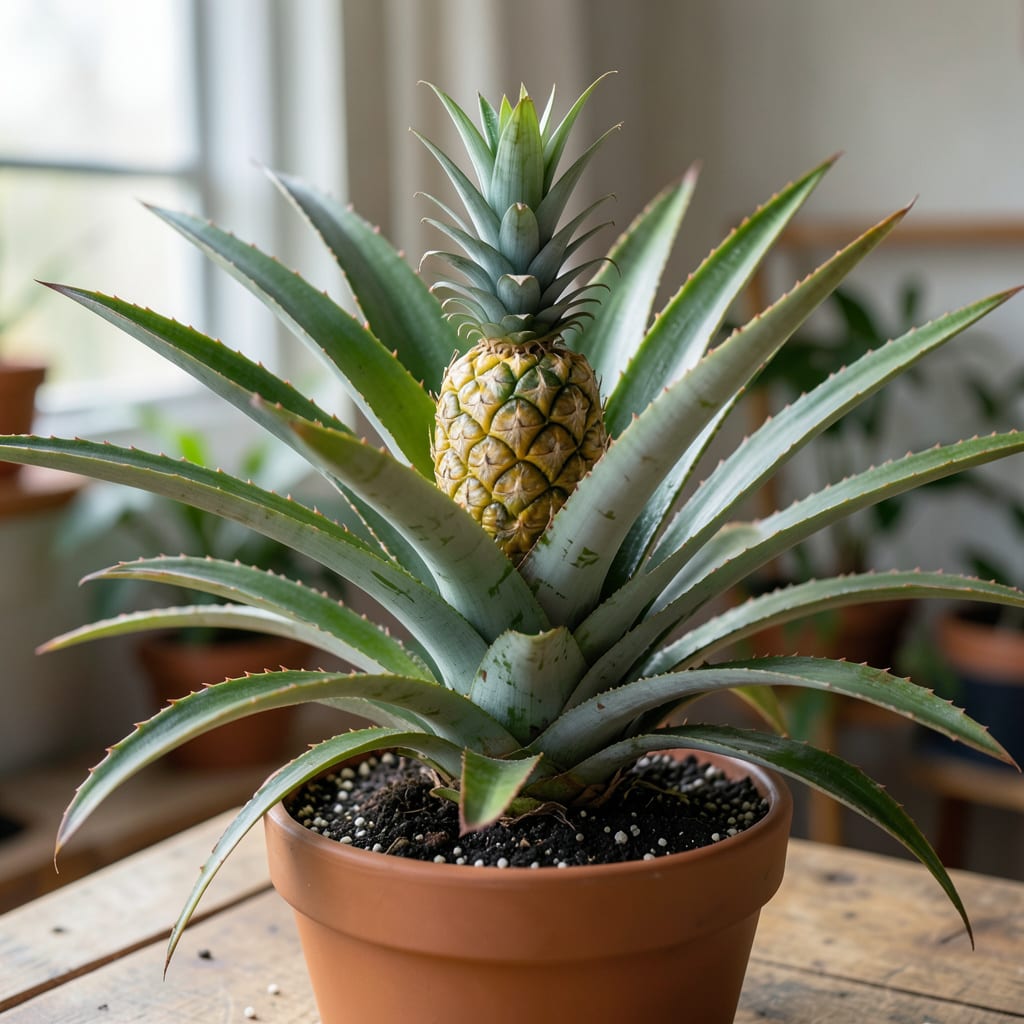
Ever dreamed of growing your own tropical pineapple at home, only to end up with a sad, leggy plant? The secret isn’t just warm weather—it’s nailing that perfect sunlight balance that mimics Hawaii’s golden rays.
I’ve seen too many gardeners struggle with this exact issue, watching their 🍍 pineapple plants either scorch in harsh sun or stretch weakly toward dim windows. Let’s cut through the confusion and get your plant the light it craves—without the guesswork.

If you want your pineapple plant to thrive—and eventually produce fruit—you’ll need to replicate its native tropical environment. That means 6-8 hours of direct sunlight daily, but the exact amount shifts as your plant grows. Young plants need gentle acclimation, while mature ones crave intense rays.
In tropical zones (USDA Zones 10-12), outdoor pineapples can handle full sun year-round. But if you’re growing in cooler climates or indoors, you’ll need to adjust. The golden rule? Morning sun is safer than harsh afternoon rays, which can scorch leaves in dry regions.
| Growth Stage | Daily Sunlight | Light Type | Key Adjustments |
|---|---|---|---|
| Juvenile (0-6 months) | 4-6 hours | Bright, indirect | Acclimate gradually to direct sun |
| Established (6-12 months) | 6-8 hours | Direct sun | Protect from afternoon heatwaves |
| Fruiting (12+ months) | 8+ hours | Full sun | Rotate pot weekly for even exposure |
| Indoor (All Stages) | 12-14 hours | Grow lights | LED or fluorescent, 6-12″ above plant |
☀️ Note: Reduce light by 20% in winter or if temperatures exceed 95°F (35°C).
For outdoor pineapples in non-tropical zones, aim for a south-facing spot with afternoon shade. In desert climates, use 30% shade cloth during peak summer months. I’ve found that container-grown plants benefit from being moved to follow the sun’s path—east in the morning, west by afternoon.
Indoor growers, listen up: A sunny windowsill won’t cut it long-term. Pineapples need intense light to fruit, so invest in a full-spectrum LED grow light (12-14 hours/day). Place it 6-12 inches above the plant and raise it as your pineapple grows to prevent leggy growth.
Here’s a pro tip I swear by: Rotate your pineapple plant every 3-4 days if it’s indoors or in a fixed outdoor spot. This ensures even light distribution and prevents the plant from growing lopsided. Trust me, your future fruit will thank you for this simple step!
If you’re in a humid climate, your pineapple can handle more direct sun. But in arid regions, watch for leaf scorch—those brown, crispy tips mean your plant is getting too much harsh light. A quick fix? Move it to dappled shade or add a sheer curtain for indoor plants.
Remember, light needs change with seasons. In winter (even in tropical zones), supplement with grow lights if days are shorter than 8 hours. Come summer, monitor for overheating—pineapples love warmth but hate being baked like a desert cactus!
For those growing pineapples as houseplants, here’s my go-to setup: A south-facing window paired with a 12-hour grow light timer. I use a 24W LED bulb (equivalent to 150W incandescent) and keep it on a shelf where the plant gets both natural and artificial light.
Finally, don’t forget that light intensity matters as much as duration. A pineapple under weak window light for 8 hours won’t thrive like one getting direct tropical sun for 6 hours. When in doubt, err on the side of more light—just watch for stress signs like yellowing or browning leaves.
With the right light balance, your pineapple plant will reward you with vibrant growth and—if you’re patient—sweet, homegrown fruit. Now go give that spiky beauty the sunshine it deserves! ☀️🌱
If you want your pineapple plant to thrive—and eventually produce fruit—you’ll need to replicate its native tropical sunlight. In Hawaii, pineapples bask in 6-8 hours of direct sun daily. But here’s the catch: young plants and indoor growers need a slightly different approach.
For juvenile plants (first 6 months), aim for 4-6 hours of morning sun to avoid scorching tender leaves. Once mature, they’ll crave that full 8-hour sunbath. In scorching climates like Arizona, provide afternoon shade to prevent leaf burn. ☀️
| Growth Stage | Sunlight Needs | Key Adjustments |
|---|---|---|
| Seedling (0-6 months) | 4-6 hours morning sun | Use 30% shade cloth in hot climates |
| Juvenile (6-12 months) | 6-8 hours direct sun | Gradually increase exposure to prevent shock |
| Mature (12+ months) | 8+ hours full sun | Watch for leaf scorch in desert summers |
| Fruiting Stage | 8-10 hours maximum sun | Ensure even light distribution for sweet fruit |
| Indoor Plants | 12-14 hours grow lights | Use LED full-spectrum bulbs, 12″ above plant |
Here’s a pro tip: Rotate your pineapple pot weekly if growing indoors. This ensures all sides get equal light, preventing that awkward one-sided lean toward the window. For outdoor plants in USDA Zones 9-11, plant on the south or west side of your garden for optimal exposure.
If you’re in a cooler climate (Zones 4-8), don’t despair! Move pots outside for summer, then transition to a sunny windowsill or grow light setup in winter. I’ve seen pineapples fruit beautifully in Michigan basements with the right 14-hour light schedule. 🌱
Watch for seasonal shifts. In summer, your pineapple might need light filtering during peak afternoon hours (12-3 PM). Come winter, supplement with grow lights if natural daylight dips below 6 hours. A simple timer can automate this—no guesswork needed!
Remember, pineapples are slow growers (18-36 months to fruit!). Consistency is key—sudden light changes can stress the plant and delay fruiting. If you notice pale leaves or stunted growth, it’s likely begging for more sun. We’ll cover those warning signs in detail next. ✅
One last thing: if you’re growing from a store-bought pineapple top, give it bright indirect light for the first month while roots establish. This gentle start prevents transplant shock and sets your plant up for sun-loving success. 🪴
Growing a pineapple plant indoors? You’ll quickly realize that even the sunniest windowsill won’t cut it. These tropical beauties need intense light—think Hawaii-level brightness—to thrive and eventually fruit. Without proper supplementation, your plant will grow leggy and weak, with little hope of producing that coveted pineapple.
Here’s the good news: With the right grow light setup, you can successfully grow pineapples indoors, even in dim apartments. The key is mimicking the 12-14 hours of bright light they’d get in their natural habitat. I’ve tested multiple setups, and the difference between a sad, stretching plant and a vibrant, fruit-bearing one comes down to light quality and consistency.
| Light Type | Wattage | Distance from Plant | Daily Duration | Pros | Cons |
|---|---|---|---|---|---|
| LED Full-Spectrum | 20-30W | 6-12 inches | 12-14 hours | Energy-efficient, long lifespan, customizable spectrum | Higher upfront cost |
| Fluorescent T5 | 40-50W | 4-6 inches | 14-16 hours | Affordable, good coverage, low heat | Bulbs need replacing every 1-2 years |
| Incandescent | 60-100W | 12-18 inches | 8-10 hours | Cheap and accessible | High heat output, poor spectrum |
| Sunny Window + Supplement | 10-20W LED | 12-24 inches | 6-8 hours natural + 6 artificial | Balanced, mimics natural light | Requires monitoring and adjustment |
💡 Tip: Use a timer to maintain consistent light cycles—pineapples thrive on routine!
For best results, I recommend starting with a 24W LED grow light placed 8-12 inches above your plant. This setup provides the full-spectrum light pineapples need without the excessive heat of older bulb types. Set your timer for 12-14 hours daily, and adjust the height as your plant grows to maintain that ideal distance.
If you’re on a budget, a combination of natural light and supplemental LED works well. Place your pineapple in a south-facing window and add a small grow light for the remaining hours. Just remember: west-facing windows can get too hot in summer, while north-facing often don’t provide enough intensity. East-facing windows are gentler but may require more supplemental light.
Watch for these signs that your light setup needs adjustment: pale or yellowing leaves (too little light), brown, crispy tips (too close to the bulb), or leggy growth (stretching toward the light source). If you notice any of these, tweak your setup immediately. I’ve found that raising the light or adding a second bulb often solves the issue without major changes.
Here’s my favorite trick for indoor growers: Use reflective surfaces around your plant. A simple white poster board or aluminum foil on nearby walls can bounce light back onto your pineapple, effectively doubling its exposure. This is especially helpful in small spaces where you can’t add more lights. Just be sure to keep the reflectors clean for maximum efficiency!
Young pineapple plants can tolerate 4-6 hours of bright, indirect light during their first 6 months. However, mature plants need 6-8 hours of direct sun daily to thrive and produce fruit. Without enough direct light, growth slows dramatically.
Insufficient light causes leggy growth, pale or yellowing leaves, and weak fruit development. Indoor plants may stretch toward windows, becoming unstable. The fix? Move to brighter light or add a full-spectrum grow light for 12-14 hours daily.
In summer, protect plants from intense afternoon sun (especially in desert climates). Winter often requires supplemental grow lights if daylight drops below 8 hours. A simple timer helps maintain consistent exposure year-round.
Regular lamps won’t provide the intensity or spectrum pineapples need. Instead, use a 20-30W LED grow light placed 6-12 inches above the plant. This mimics tropical sunlight and promotes healthy growth without excessive heat.
Watch for brown, crispy leaf tips or bleached patches—classic signs of sunburn. In extreme heat, leaves may curl or develop dry edges. The solution? Move to dappled shade or use 30% shade cloth during peak afternoon hours.
