
Beautiful Plants For Your Interior
Beautiful Plants For Your Interior
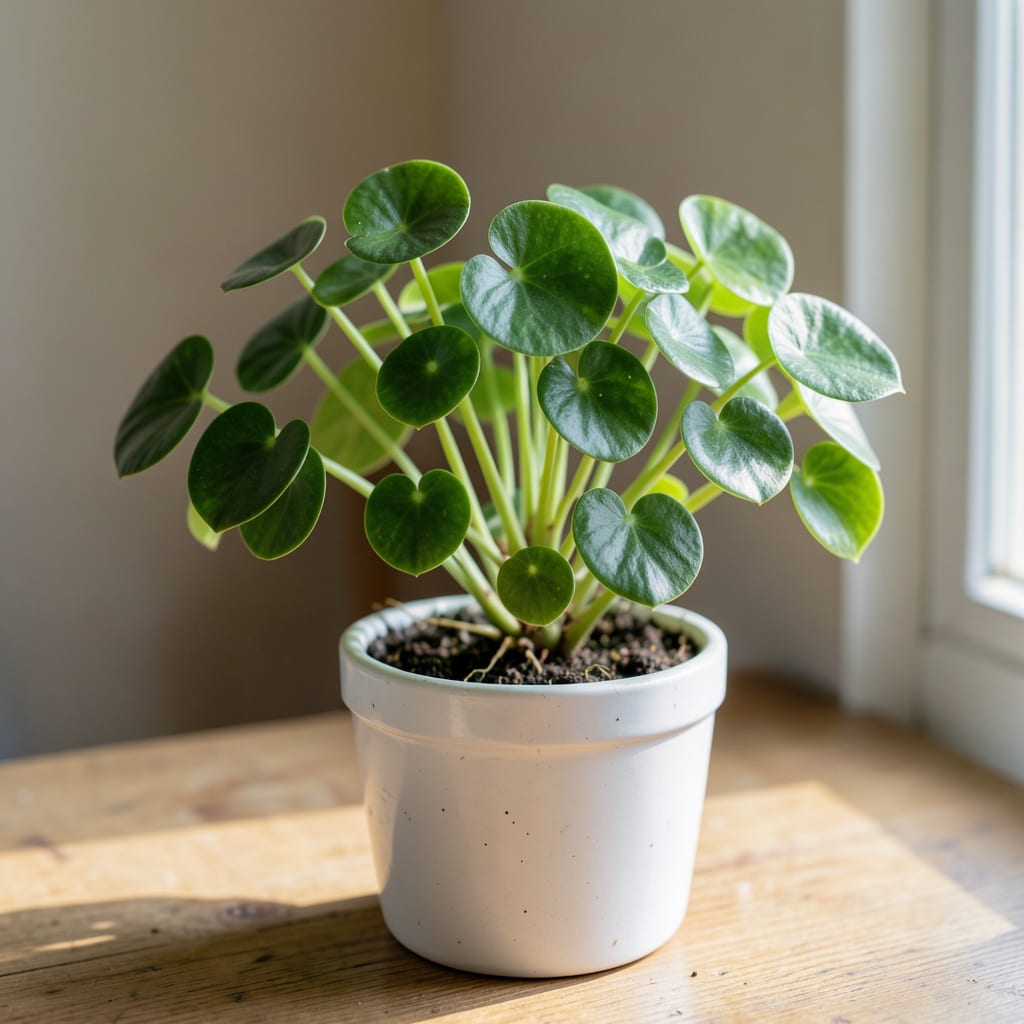
I’ve always been fascinated by the Pilea 🪴 plant’s unique appearance and relatively easy care. To keep this charming plant thriving in USDA Zone 6, understanding its lighting needs is crucial.
Let’s explore the ideal light conditions for your Pilea and how to provide the right amount of light for healthy growth.

Pilea plants are native to tropical regions, where they grow under the canopy of larger plants, receiving filtered, indirect light. This natural habitat influences their lighting needs, making bright, indirect light ideal for their growth 🌱.
In indoor settings, Pilea plants can thrive in various lighting conditions, but understanding their optimal light requirements is crucial for maintaining their health and appearance. Let’s dive into the specifics of how much light Pilea needs and how to provide it 🌿.
The Pilea’s natural habitat under the canopy influences its preference for bright, indirect light. In homes, this translates to placing Pilea near east or west-facing windows where it can receive 4-6 hours of filtered sunlight daily 🌞.
While Pilea can tolerate low light conditions, its growth may slow, and the vibrant colors of its leaves might fade. On the other hand, direct sunlight can cause leaf scorch, so it’s essential to filter the light through a sheer curtain if placing it in a south-facing window 🔥.
Monitoring your Pilea’s response to light is key to providing the right conditions. If the leaves become pale or stretched out, it may need more light. Conversely, if the leaves show signs of burning or discoloration, it might be receiving too much direct sunlight 🌟.
Adjusting the lighting conditions based on your Pilea’s response will help maintain its health and promote optimal growth. This might involve moving the plant to a different location or using grow lights to supplement natural light 💡.
Using grow lights can be particularly beneficial during the winter months when natural light is scarce. Position the grow lights at an appropriate distance to avoid overheating or stressing the plant 🔍.
Maintaining the right balance of light is crucial for your Pilea’s overall well-being. By understanding and meeting its lighting needs, you can enjoy a thriving, healthy plant that adds beauty to your indoor space 🏠.
Regularly checking your Pilea’s condition and adjusting its environment as needed will ensure it remains a vibrant and attractive addition to your home 🌿.
In summary, providing the right amount of light is fundamental to caring for your Pilea. By understanding its preferences and making necessary adjustments, you can help your Pilea flourish and enjoy its unique beauty for years to come 🌸.
To keep your Pilea thriving, it’s essential to provide the right amount of light. Pilea plants prefer bright, indirect light, which can be achieved by placing them near east or west-facing windows 🌞.
When placing your Pilea, consider the window orientation and the duration of light exposure. East or west-facing windows are ideal as they provide gentle, indirect light for 4-6 hours a day 🌟.
Use sheer curtains to filter direct sunlight and prevent leaf scorch. Consider rotating your Pilea every few days to ensure even light distribution 🌿.
If you don’t have an east or west-facing window, you can still grow Pilea using grow lights. Position the grow lights at a suitable distance to avoid overheating the plant 🔍.
Monitoring your Pilea’s response to light is crucial. If the leaves become pale or stretched out, it may need more light. Conversely, if the leaves show signs of burning or discoloration, it might be receiving too much direct sunlight 🌟.
Adjusting the lighting conditions based on your Pilea’s response will help maintain its health and promote optimal growth. This might involve moving the plant to a different location or adjusting the duration of grow light exposure 💡.
By understanding and meeting your Pilea’s lighting needs, you can enjoy a thriving, healthy plant that adds beauty to your indoor space 🏠.
Regularly checking your Pilea’s condition and making necessary adjustments will ensure it remains a vibrant and attractive addition to your home 🌿.
I’ve found that many Pilea owners struggle with providing the right amount of light for their plants. To help you avoid common mistakes, let’s explore the signs of too much or too little light and how to adjust accordingly 🔍.
Too little light can cause Pilea plants to become leggy and lose their vibrant colors. If you notice the leaves are pale or stretched out, it may be a sign that your Pilea needs more light 🌟.
On the other hand, too much direct sunlight can cause leaf scorch and damage. If you notice burn marks or discoloration on the leaves, it’s likely receiving too much direct light 🔥.
To fix these issues, you can adjust the lighting conditions by moving the plant to a different location or using sheer curtains to filter the sunlight 🌿.
Monitoring your Pilea’s response to light is crucial to providing the right conditions. By understanding the signs of too much or too little light, you can make necessary adjustments to promote healthy growth and maintain your plant’s vibrant appearance 🌟.
By being aware of these common lighting mistakes and taking steps to correct them, you can help your Pilea thrive and enjoy its unique beauty for years to come 🌸.
Pilea plants thrive best near east or west-facing windows where they receive 4-6 hours of gentle, indirect light daily. This orientation provides the perfect balance for their growth without causing leaf scorch .
Yes, Pilea can tolerate low light conditions, but their growth may slow, and the vibrant colors of their leaves might fade. For optimal health, it’s best to provide them with bright, indirect light whenever possible .
If your Pilea’s leaves become pale or stretched out, it may need more light. Conversely, if the leaves show signs of burning or discoloration, it’s likely receiving too much direct sunlight. Adjust the lighting conditions accordingly to maintain optimal health .
Yes, you can use grow lights to supplement natural light, especially during winter months when daylight is scarce. Position the grow lights at an appropriate distance to avoid overheating or stressing the plant, ensuring your Pilea receives the right amount of light .
