
Beautiful Plants For Your Interior
Beautiful Plants For Your Interior
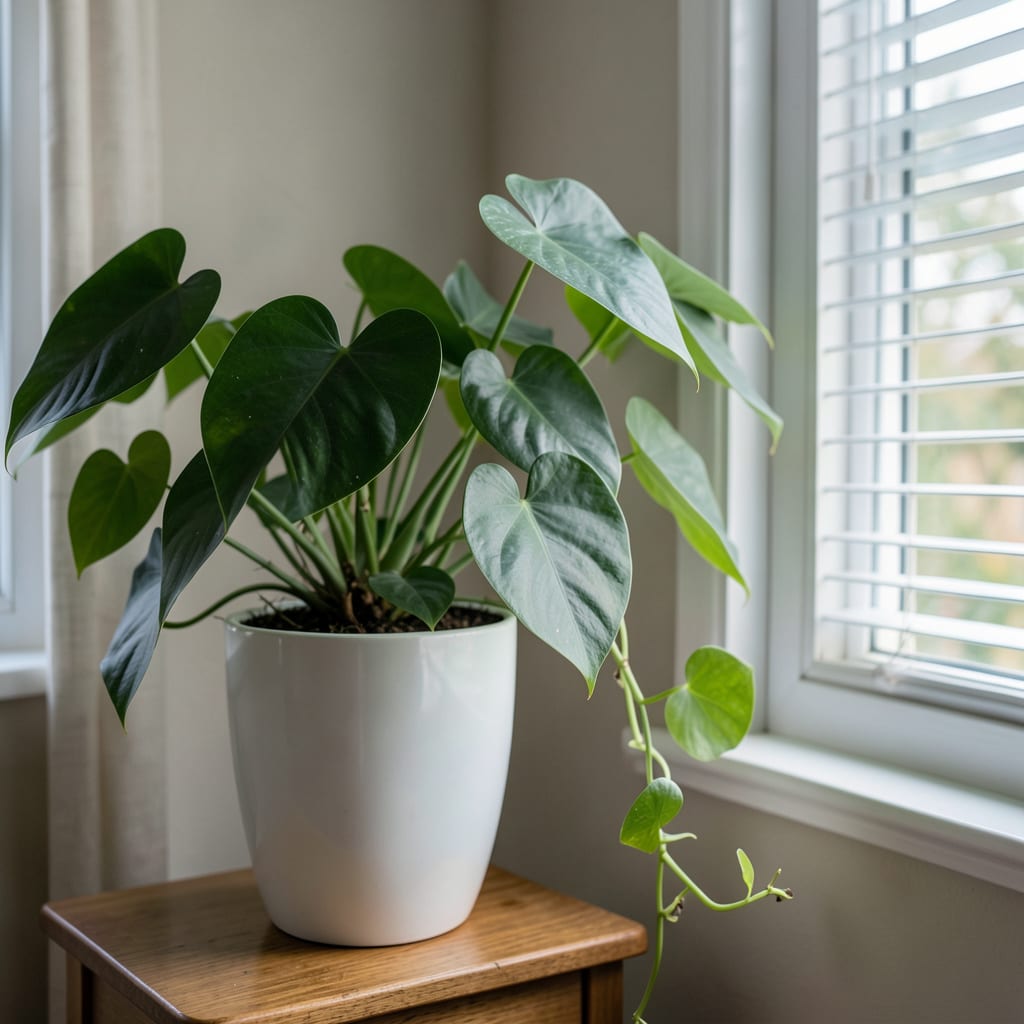
I’ve always been fascinated by how a simple change in lighting can transform my Philodendron 🌱 care routine. In my experience, getting the light just right is crucial for these beautiful plants to thrive.
Philodendron plants need bright indirect light to grow their best – typically 4-6 hours daily near an east or west window. Understanding their light requirements is key to keeping them healthy and happy in USDA Zone 6 and beyond.


Philodendron plants are known for their beautiful foliage and relatively easy care, but getting their light requirements right is crucial for their health and growth 🌱.
I’ve found that understanding the light needs of your Philodendron is key to keeping it thriving. In my experience, these plants prefer bright indirect light, which typically means 4-6 hours of light per day.
When it comes to light, Philodendrons are quite adaptable, but they do have their preferences. In their natural habitat, they’re often found growing under the canopy of larger plants, receiving dappled, indirect light. This environment helps them develop their characteristic large, green leaves 🌿.
In my experience, placing your Philodendron near an east- or west-facing window is ideal. These windows provide the right amount of bright, indirect light without the harsh direct rays that can damage the leaves. If you only have a south-facing window, consider using a sheer curtain to filter the light and prevent scorching 🔥.
It’s also worth noting that different varieties of Philodendron may have slightly different light requirements. For example, varieties with more colorful or variegated leaves may need a bit more light to maintain their coloration, while those with solid green leaves can tolerate lower light conditions.
To ensure your Philodendron gets the right amount of light, you can also observe its behavior. If it’s not getting enough light, the leaves may become more spaced out on the stem, or the plant may lean towards the light source 🌟.
Key factors to consider: light intensity, duration, and direction. By paying attention to these factors, you can create an optimal lighting environment for your Philodendron to flourish.
For more specific guidance on providing optimal lighting, consider factors like your home’s orientation and the time of year. During winter months, for example, you may need to supplement with grow lights to maintain the desired light levels 💡.
Understanding your Philodendron’s light needs is just the first step in creating a thriving environment. By combining proper lighting with other care elements, you’ll be well on your way to enjoying a healthy, beautiful plant for years to come 🌿.
In summary, Philodendrons need bright indirect light for optimal growth. By understanding and meeting their light requirements, you can help your plant thrive and enjoy its beautiful foliage to the fullest.
I’ve found that providing the right lighting for your Philodendron is crucial for its health and growth 🌱. To give your plant the best chance to thrive, it’s essential to understand how to provide optimal lighting.
First, let’s talk about the importance of window placement. As I mentioned earlier, east- or west-facing windows are ideal for Philodendrons. These windows provide bright indirect light without the harsh direct rays that can damage the leaves 🔥.
For optimal growth, place your Philodendron near an east- or west-facing window to provide 4-6 hours of bright indirect light daily.
In addition to window placement, you may need to consider using grow lights to supplement the natural light, especially during the winter months when the days are shorter 💡. This will help maintain the desired light levels and keep your Philodendron healthy.
When using grow lights,
It’s also important to be mindful of the potential risks of too much light. If your Philodendron is exposed to direct sunlight for too long, the leaves can become scorched, leading to leaf damage and potentially harming the plant’s overall health 🔥.
To avoid this, you can use a sheer curtain to filter the light and prevent scorching. This is especially important if you have a south-facing window that receives direct sunlight for most of the day 🌞.
By providing optimal lighting for your Philodendron, you’ll be able to enjoy its beautiful foliage and promote healthy growth.
In summary, providing optimal lighting for your Philodendron requires careful consideration of window placement, supplemental lighting, and potential risks. By following these tips, you’ll be well on your way to creating a thriving environment for your plant 🌿.
I’ve noticed that Philodendron plants can be quite sensitive to light conditions, and it’s essential to recognize the signs of too much or too little light to keep them healthy 🌱.
When it comes to light, Philodendrons can suffer from both extremes. Too little light can cause leggy growth and smaller leaves, while too much light can lead to leaf scorch and faded color 🔥.
To adjust the lighting for your Philodendron, you can start by observing its behavior. If it’s not getting enough light, consider moving it to a brighter location or supplementing with grow lights 💡.
If your Philodendron is getting too much light, you can use a sheer curtain to filter the light and prevent scorching. This is especially important if you have a south-facing window that receives direct sunlight for most of the day 🌞.
By recognizing the signs of too much or too little light and making adjustments accordingly, you can help your Philodendron thrive and enjoy its beautiful foliage to the fullest 🌿.
In summary, keeping an eye on your Philodendron’s response to light and making necessary adjustments is crucial for its health and growth. By providing the right amount of light, you’ll be able to enjoy a thriving and beautiful plant 🌟.
East- or west-facing windows are ideal as they provide bright indirect light without harsh direct rays that can damage the leaves. This typically means 4-6 hours of light per day.
No, Philodendron plants prefer bright indirect light. Direct sunlight can cause leaf scorch and damage the plant. If you only have a south-facing window, consider using a sheer curtain to filter the light.
Watch for signs like leggy growth or smaller leaves (too little light), or leaf scorch and faded color (too much light). Adjust the lighting accordingly to keep your plant healthy.
Yes, using grow lights can help supplement natural light during winter months when days are shorter. This will maintain the desired light levels and keep your Philodendron healthy.
