
Beautiful Plants For Your Interior
Beautiful Plants For Your Interior
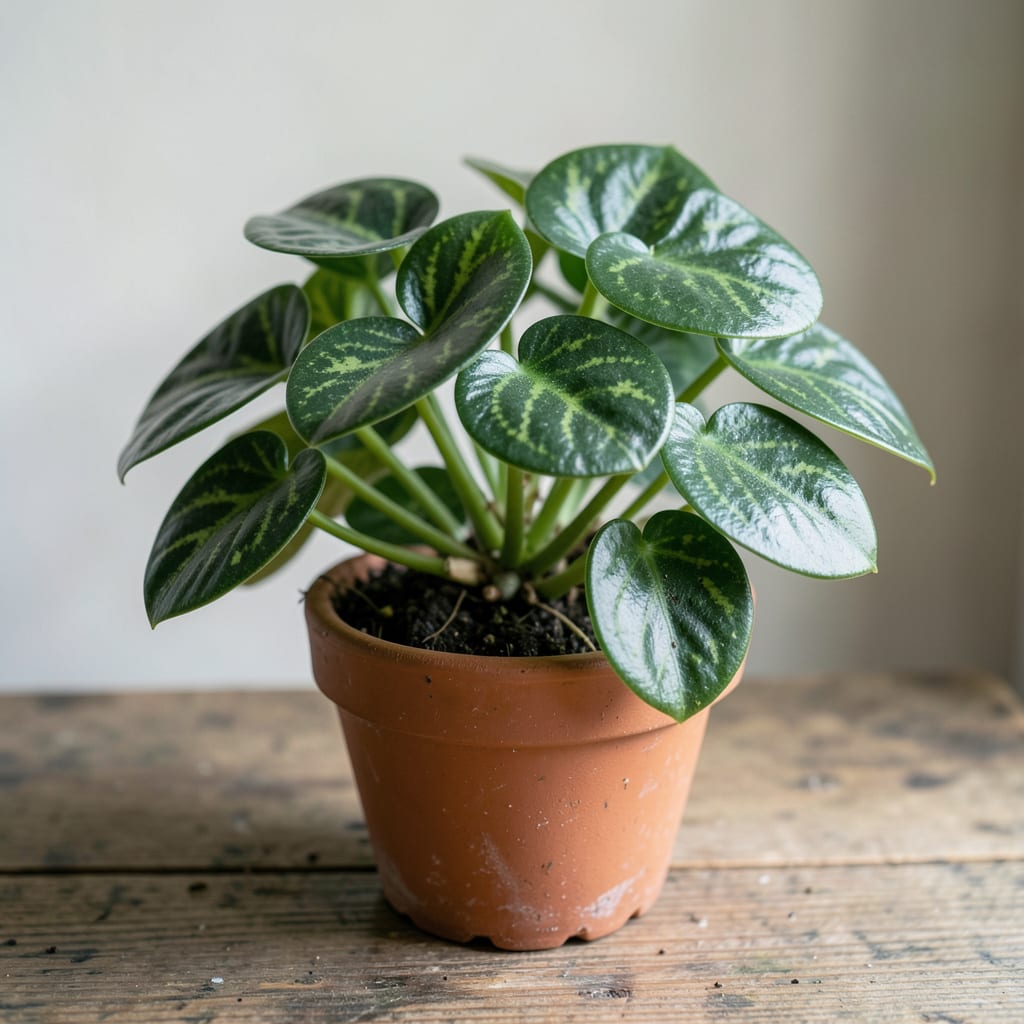
I’ve always been fascinated by the low-maintenance beauty of Peperomia 🌱 plants. These charming houseplants can thrive in various conditions, but getting their light requirements right is crucial for their survival.
So, how much light does your Peperomia really need to flourish? Let’s explore the ideal lighting conditions for these lovely plants and discover how to keep them happy and healthy in your home.

I’ve found that Peperomia plants are quite adaptable when it comes to lighting, but they do have specific needs to thrive. The key is understanding that these plants naturally grow on the forest floor, so they’re accustomed to low to moderate indirect light. Direct sunlight can be too harsh for them, potentially causing leaf scorch 🔥.
Most Peperomia varieties prefer bright, indirect light, making them perfect for rooms with limited direct sunlight. A north-facing window is ideal, as it provides gentle, indirect light throughout the day 🌞.
Different Peperomia varieties have slightly different lighting needs. For example, Peperomia obtusifolia can tolerate lower light conditions than some of the more colorful varieties like Peperomia caperata. Understanding these nuances helps in choosing the right spot for your plant 🌿.
Signs of improper lighting are crucial to recognize. If your Peperomia is getting too little light, it may develop leggy stems or lose its vibrant color. Conversely, too much light can cause leaf scorch or fading of the leaves’ natural patterns 🔍.
To ensure your Peperomia gets the right amount of light, observe your plant’s response to its current lighting conditions. Adjust its position accordingly, and consider using supplemental grow lights if natural light is insufficient 💡.
It’s worth noting that while Peperomia plants can adapt to various lighting conditions, their growth rate and leaf production may vary. In optimal lighting conditions, they’ll generally grow more vigorously and produce more leaves 🌱.
For those with multiple Peperomia plants, experimenting with different locations can help determine the optimal lighting for each variety. This hands-on approach can provide valuable insights into your plants’ specific needs 📊.
By providing the right lighting conditions, you’re setting your Peperomia up for success. With proper care and attention to their lighting needs, these beautiful plants can thrive and become a stunning addition to your indoor space 🏠.
Remember, patience is key when adjusting your Peperomia to new lighting conditions. It may take some time for the plant to adapt, so monitor its progress and make adjustments as needed 🔄.
In conclusion, understanding and meeting your Peperomia’s lighting requirements is a crucial step in ensuring its health and vitality. By following these guidelines and observing your plant’s response, you can create an optimal environment for your Peperomia to flourish 🌟.
I’ve found that providing the right amount of light for your Peperomia is crucial for its health and vitality. To achieve this, it’s essential to understand the different lighting options available and how to use them effectively 🌞.
First, let’s consider natural lighting. As mentioned earlier, a north-facing window is ideal for Peperomia plants. If that’s not possible, an east-facing window can also provide the right amount of gentle, indirect light 🌟.
For optimal results, keep your Peperomia 2-3 feet away from the window to filter the light further. This distance helps prevent direct sunlight from damaging the leaves 🔍.
If natural light is limited in your space, don’t worry! Artificial lighting can be a great supplement. I recommend using LED grow lights, which provide the necessary spectrum for plant growth without generating excessive heat 💡.
When using artificial lighting, keep in mind that Peperomia plants typically require 12-14 hours of light per day. You can set up a timer to ensure consistency, which is key for maintaining your plant’s health 🕰️.
Adjusting to new lighting conditions should be done gradually. If you’re moving your Peperomia to a brighter location or introducing artificial lighting, do it gradually over a week or two to prevent shocking the plant 🌱.
It’s also important to monitor your plant’s response to its lighting conditions. If you notice signs of too little light, such as leggy stems or faded colors, consider adjusting its position or supplementing with grow lights 🔄.
For those with multiple Peperomia plants, experimenting with different locations and lighting setups can help you determine the optimal conditions for each variety. This approach allows you to tailor your care to the specific needs of each plant 📊.
By following these guidelines and paying attention to your Peperomia’s needs, you can create an optimal lighting environment that promotes healthy growth and vibrant foliage 🌿.
Remember, the key to successful Peperomia care is observation and adjustment. With the right lighting, your Peperomia will thrive and become a beautiful addition to your indoor space 🏠.
In summary, providing the right amount of light for your Peperomia involves understanding its natural preferences, utilizing appropriate lighting options, and monitoring its response to create an optimal environment 🌟.
I’ve seen many well-meaning plant owners make critical lighting mistakes that can harm their Peperomia plants. One of the most common errors is placing them in direct sunlight, which can cause leaf scorch and damage 🔥.
Another mistake is not providing enough light, resulting in leggy growth and loss of vibrant colors. Peperomia plants need bright, indirect light to maintain their beautiful foliage 🌿.
Avoid placing Peperomia plants in direct sunlight or extremely low light conditions. Both can cause damage to the plant’s leaves and overall health 🔍.
To avoid these mistakes, it’s essential to monitor your plant’s response to its lighting conditions. If you notice any signs of stress, such as yellowing leaves or leggy stems, adjust its position accordingly 🔄.
Using artificial lighting can be beneficial, but it’s crucial to use the right type and duration. LED grow lights are an excellent option, providing the necessary spectrum for plant growth without generating excessive heat 💡.
When using artificial lighting, ensure your Peperomia receives 12-14 hours of light per day. You can set up a timer to maintain consistency, which is vital for the plant’s health 🕰️.
By being aware of these common lighting mistakes and taking steps to avoid them, you can create an optimal environment for your Peperomia to thrive 🌟.
Remember, the key to successful Peperomia care is observation and adjustment. With the right lighting, your Peperomia will flourish and become a stunning addition to your indoor space 🏠.
In summary, avoiding common lighting mistakes with Peperomia plants involves understanding their lighting needs, monitoring their response, and making adjustments as necessary 🌿.
Yes, Peperomia plants can thrive in low light conditions, making them perfect for rooms with limited natural light. However, they still need some indirect light to maintain their health and vibrant colors.
Peperomia plants typically require 12-14 hours of indirect light per day. You can supplement with LED grow lights if natural light is insufficient. Using a timer can help maintain consistency.
A north-facing window is ideal for Peperomia plants as it provides gentle, indirect light. East-facing windows are also suitable, offering soft morning light that’s perfect for these plants.
Yes, you can use artificial lighting, especially LED grow lights, to supplement natural light. This is particularly useful in spaces with limited natural light, ensuring your Peperomia receives the necessary light spectrum for healthy growth.
