
Beautiful Plants For Your Interior
Beautiful Plants For Your Interior
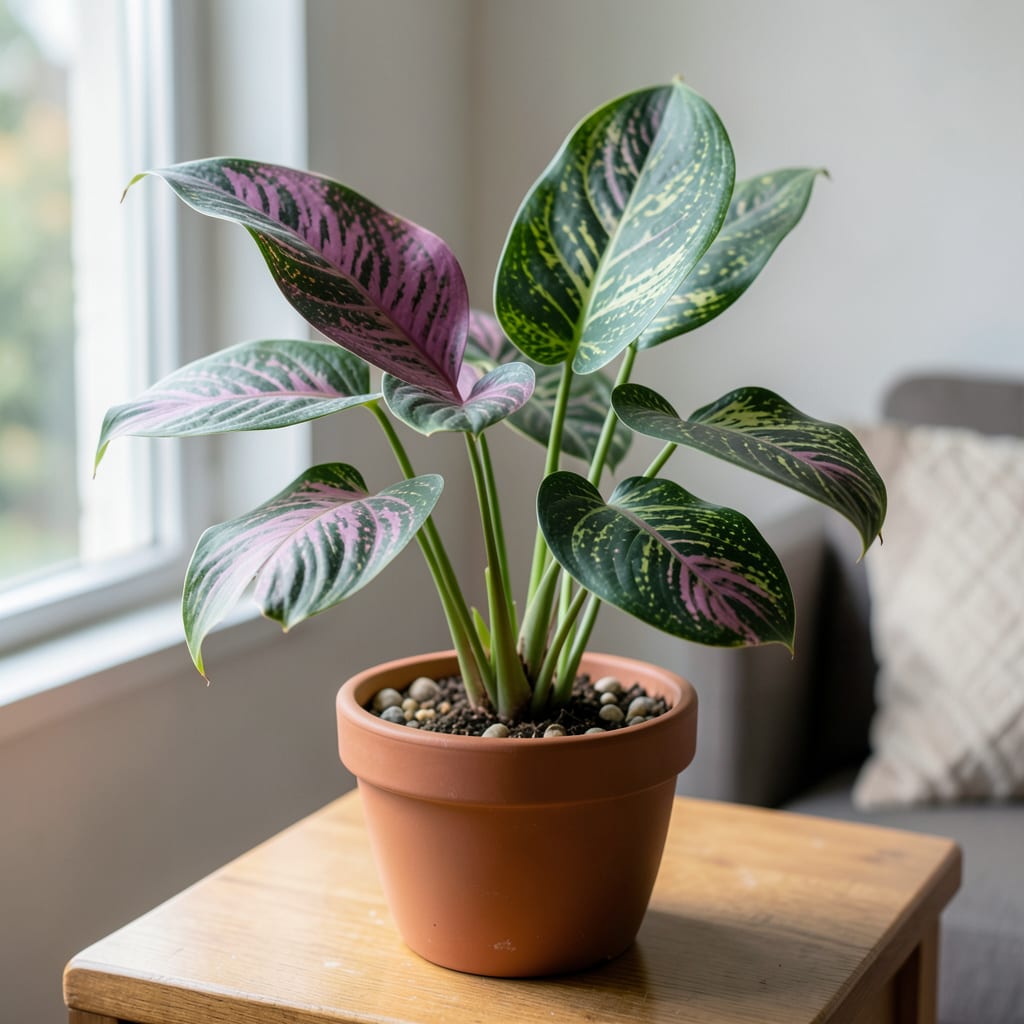
I’ve always been fascinated by the stunning foliage of the Peacock Plant 🌱. To keep this beauty thriving, understanding its light requirements is crucial. Too little or too much light can significantly impact its health and appearance.
Let’s dive into the ideal lighting conditions for your Peacock Plant in USDA Zone 6. By getting this right, you’ll be on your way to enjoying its vibrant beauty all season long.

I’ve found that understanding the light requirements of your Peacock Plant is crucial for its health and vibrancy. The ideal lighting conditions can make a significant difference in maintaining its stunning foliage and overall well-being 🌿.
Peacock Plants thrive in bright, indirect light, making them perfect for rooms with east- or west-facing windows. This type of lighting provides the necessary light intensity without causing damage to the leaves 🔥.
The ideal light intensity for Peacock Plants is between 2-4 hours of indirect light daily. This can be achieved by placing the plant near an east- or west-facing window, where it can receive the right amount of light without being exposed to direct sunlight 🌞.
Too much direct sunlight can cause the leaves to become scorched, losing their vibrant colors and potentially leading to damage. On the other hand, too little light can result in leggy growth and a loss of the plant’s characteristic foliage patterns 🌱.
To ensure your Peacock Plant receives the right amount of light, you can also use artificial lighting, such as LED grow lights, to supplement natural light, especially during the winter months when daylight hours are shorter 💡.
Understanding these light requirements is key to maintaining the health and beauty of your Peacock Plant. By providing the right lighting conditions, you can enjoy its stunning foliage and vibrant colors throughout the year 🌟.
For more specific guidance on providing optimal lighting for your Peacock Plant, including practical tips and common mistakes to avoid, continue reading the next sections 📚.
By mastering the art of lighting for your Peacock Plant, you’ll be well on your way to becoming a skilled plant parent and enjoying the many rewards of growing this beautiful plant 🌿.
Now that we’ve covered the basics of Peacock Plant light requirements, let’s explore some practical tips for providing optimal lighting in different environments 🌞.
Now that we understand the ideal lighting conditions for Peacock Plants, let’s explore some practical tips for providing optimal lighting in different environments. Proper positioning is key to ensuring your plant receives the right amount of light 🌞.
First, consider the direction of your windows. East- or west-facing windows are ideal for Peacock Plants as they provide bright, indirect light for 2-4 hours daily. This natural light is perfect for promoting healthy growth and vibrant foliage 🌿.
For rooms with limited natural light, consider using LED grow lights to supplement the available light. This will help maintain the health and vibrancy of your Peacock Plant 💡.
When using artificial lighting, ensure it’s not too intense, as this can cause damage to the leaves. A good rule of thumb is to keep the lights at least 12-18 inches away from the plant to avoid overheating 🔥.
Another important factor is the duration of light exposure. Peacock Plants benefit from consistent light patterns, so try to maintain a regular day-night cycle. This can be achieved by using timers for your artificial lights, ensuring your plant receives the right amount of light daily 🕰️.
In addition to the type and duration of light, the quality of light also matters. Bright, indirect light is preferred, as it promotes healthy growth without causing leaf scorch. You can achieve this by placing your Peacock Plant near a window with a sheer curtain to filter the direct sunlight 🌟.
By following these practical tips and being mindful of your Peacock Plant’s lighting needs, you can create an optimal environment for it to thrive. Remember, the right lighting conditions are crucial for maintaining its stunning foliage and overall health 🌱.
For more information on common lighting mistakes to avoid with Peacock Plants, check out the next section 📚.
By providing the right lighting conditions and avoiding common mistakes, you’ll be well on your way to becoming a skilled Peacock Plant parent and enjoying the many rewards of growing this beautiful plant 🌿.
I’ve seen many plant enthusiasts struggle with providing the right lighting for their Peacock Plants. One of the most common mistakes is placing them in areas with direct sunlight, which can cause leaf scorch and damage 🌞.
Another mistake is not providing enough light, resulting in leggy growth and faded colors. Peacock Plants need bright, indirect light to thrive, so it’s essential to find a balance 🌱.
Be cautious of placing your Peacock Plant in low-light areas for extended periods, as this can lead to weak and spindly growth. If you notice your plant stretching towards the light or losing its vibrant colors, it’s time to adjust its placement 🔥.
To avoid these common mistakes,
By being aware of these common lighting mistakes and taking steps to avoid them, you can help your Peacock Plant thrive and enjoy its stunning foliage and vibrant colors throughout the year 🌟.
For more information on providing optimal care for your Peacock Plant, including tips on watering and fertilization, check out our other resources 📚.
By following these guidelines and being mindful of your Peacock Plant’s needs, you’ll be well on your way to becoming a skilled plant parent and enjoying the many rewards of growing this beautiful plant 🌱.
East- or west-facing windows are perfect for Peacock Plants as they provide bright, indirect light for 2-4 hours daily. This natural light promotes healthy growth and vibrant foliage.
Yes, you can use LED grow lights to supplement natural light, especially during winter months when daylight hours are shorter. Keep the lights at least 12-18 inches away from the plant to avoid overheating.
If your Peacock Plant is getting too much direct sunlight, the leaves may become scorched. Too little light can cause leggy growth and faded colors. Adjust the plant’s position to achieve a balance of bright, indirect light.
It’s not recommended to place Peacock Plants in low-light areas for extended periods as this can lead to weak and spindly growth. If you notice your plant stretching towards the light or losing its vibrant colors, it’s time to adjust its placement.
