
Beautiful Plants For Your Interior
Beautiful Plants For Your Interior
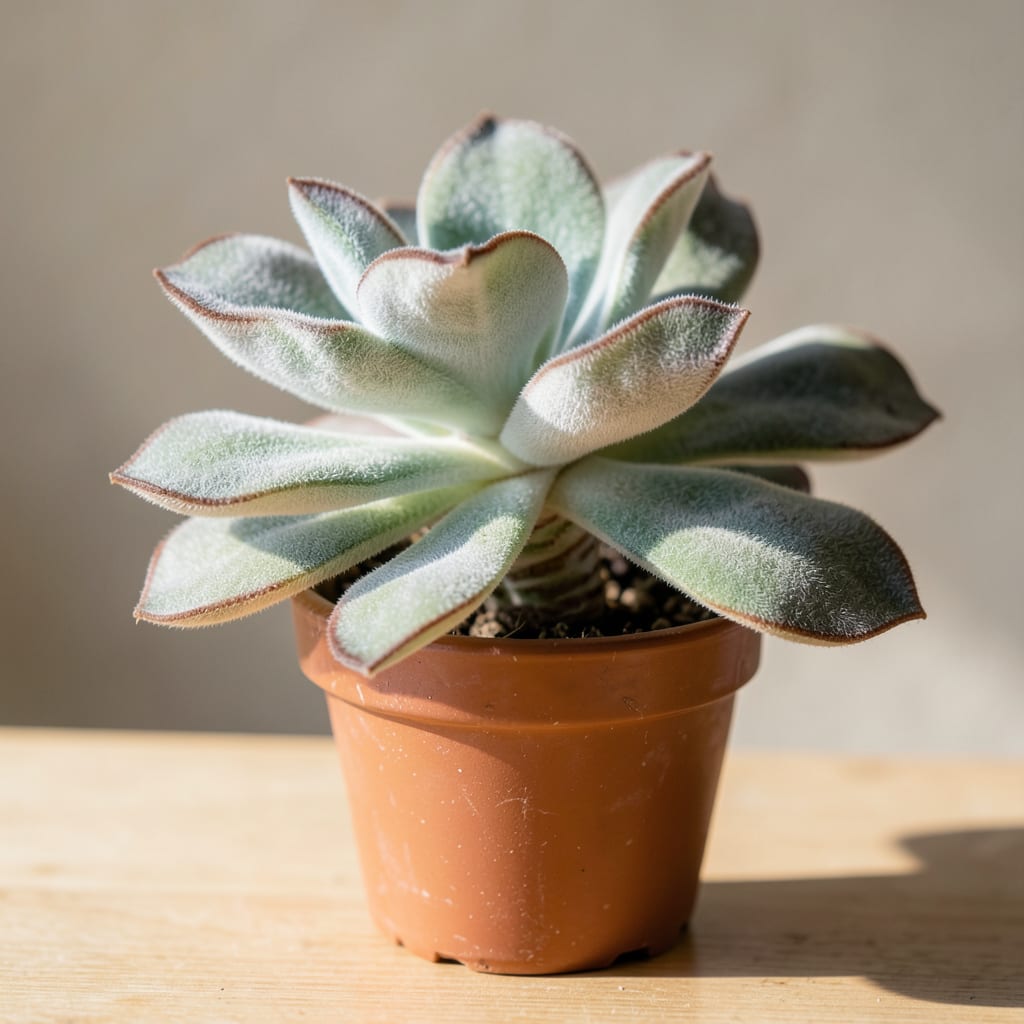
As a succulent enthusiast, I’ve learned that proper lighting is crucial for Panda Plant 🌱 care. Too little or too much light can significantly impact its health and appearance.
Living in zone 9b, I’ve found that providing the right amount of light is key to maintaining this beautiful plant’s fuzzy leaves and striking appearance. Let’s explore the optimal lighting conditions for your Panda Plant to thrive.


The Panda Plant (Kalanchoe tomentosa) is a unique succulent that requires specific lighting conditions to thrive. Understanding its light requirements is crucial for maintaining its health and beauty 🌱.
In my experience, Panda Plants prefer bright, indirect light for optimal growth. This means they need 4-6 hours of bright, filtered light per day, making an east or west-facing window ideal 🌞.
To achieve the best results, I recommend placing your Panda Plant near an east or west-facing window. This orientation provides the right amount of indirect sunlight without the harsh effects of direct sun ☀️.
Direct sunlight can cause the leaves to become scorched, while low light conditions can lead to leggy growth and weak health. It’s essential to strike a balance and provide the right amount of light for your Panda Plant 🌿.
If you’re unsure about the lighting conditions in your home, you can use a light meter to measure the intensity of the light. This will help you determine the best spot for your Panda Plant 📊.
In addition to natural light, you can also supplement with artificial lighting if necessary. LED grow lights are a great option as they provide the necessary spectrum for plant growth without generating excessive heat 💡.
When using artificial lighting,
It’s also important to note that Panda Plants can adapt to different lighting conditions, but consistent lighting is key to maintaining their health and appearance 🔄.
By providing the right amount of light, you’ll be able to enjoy your Panda Plant’s beautiful, fuzzy leaves and striking appearance for years to come 🌸.
To summarize, Panda Plants require bright, indirect light for optimal growth. By understanding their specific light requirements and providing the right conditions, you’ll be able to keep your Panda Plant happy and thriving 🌟.
Now that we’ve covered the optimal lighting conditions for Panda Plant growth, let’s dive into practical tips on how to provide the right amount of light for your plant 🌞.
First, I recommend placing your Panda Plant near an east or west-facing window. This orientation provides the ideal amount of bright, indirect light without the harsh effects of direct sun 🌟.
Use sheer curtains to filter direct sunlight and prevent scorching. For low-light areas, consider supplementing with LED grow lights to provide the necessary spectrum for healthy growth 💡.
If you’re using artificial lighting,
It’s also essential to rotate your plant regularly to ensure even growth and prevent it from leaning towards the light source 🔄.
By following these tips, you’ll be able to provide your Panda Plant with the right amount of light it needs to thrive 🌿.
To further enhance your Panda Plant’s growth, consider monitoring the light intensity and adjusting its position accordingly 📊.
By providing the right amount of light and following these simple tips, you’ll be able to enjoy your Panda Plant’s beautiful, fuzzy leaves and striking appearance for years to come 🌸.
In summary, providing the right amount of light for your Panda Plant requires attention to its specific needs and adjusting its environment accordingly 🌟.
When caring for Panda Plants, it’s essential to be aware of common lighting mistakes that can harm these beautiful succulents 🌿.
One of the most significant errors is exposing Panda Plants to direct sunlight for extended periods. While they need bright light, direct sun can cause leaf scorch and damage the plant’s appearance 🔥.
Avoid placing Panda Plants in low-light areas as this can lead to leggy growth and weak health. Ensure they receive 4-6 hours of bright, indirect light daily ⚠️.
Another mistake is not adjusting the plant’s position according to the seasonal changes in natural light. As the sun’s path changes throughout the year, you may need to adjust the distance between the plant and the window 🔄.
Insufficient light rotation can also cause issues, as Panda Plants can become lopsided if they lean too much towards the light source. Regular rotation ensures even growth and maintains the plant’s aesthetic appeal 🌱.
To avoid these common mistakes, monitor your Panda Plant’s response to its lighting conditions and make adjustments as necessary 📊.
By being mindful of these potential pitfalls and taking steps to avoid them, you can help your Panda Plant thrive and enjoy its beautiful, fuzzy leaves for years to come 🌸.
In summary, being aware of common lighting mistakes and taking corrective action will help ensure your Panda Plant remains healthy and visually appealing 🌟.
East or west-facing windows are perfect for Panda Plants as they provide bright, indirect light without direct sun exposure. This orientation helps prevent leaf scorch and promotes healthy growth .
Yes, you can supplement natural light with LED grow lights. They provide the necessary spectrum for plant growth without generating excessive heat, making them ideal for low-light areas .
Rotate your Panda Plant regularly to ensure even growth and prevent it from leaning towards the light source. This maintains the plant’s aesthetic appeal and promotes balanced development .
Too much direct sunlight can cause leaf scorch, damaging the plant’s appearance. Use sheer curtains to filter the sunlight and prevent this issue .
