
Beautiful Plants For Your Interior
Beautiful Plants For Your Interior
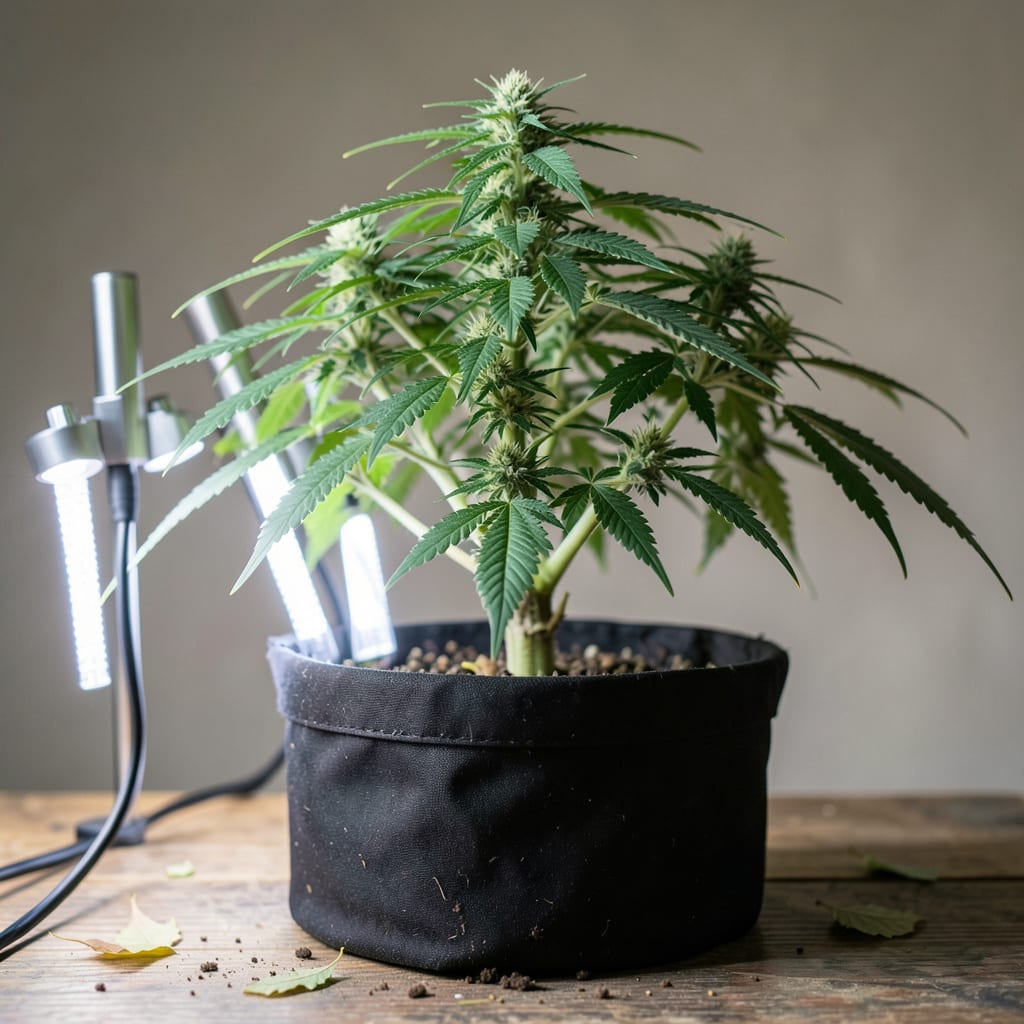
When growing a healthy 🌱 Mother Plant in USDA Zone 6, light is crucial. Too little light can lead to weak growth, while too much can cause stress.
So, how much light does your Mother Plant need to thrive? Understanding the ideal light requirements is key to successful cloning and propagation. Let’s explore the optimal lighting conditions for your Mother Plant.

When it comes to growing healthy mother plants, one of the most critical factors is providing the right amount of light. Mother plants need sufficient light to maintain their vigor and support successful cloning and propagation 🌱.
The ideal light requirements for mother plants vary based on the species, growth stage, and cultivation environment. Understanding these specific needs is crucial for optimizing plant health and maximizing cloning success.
The daily light duration for mother plants typically ranges from 18 to 24 hours. This extended photoperiod helps maintain the plant’s vegetative state, promoting healthy growth and development. For most species, 18 hours of light is sufficient, but some may require more or less depending on their specific needs 🔥.
Light intensity is another critical factor. Mother plants generally thrive under moderate to high light intensity, typically between 40 to 60 watts per square meter. This range supports robust growth without causing stress to the plant.
The light spectrum also plays a vital role in mother plant health. A full spectrum light with an emphasis on the blue spectrum (400-500nm) is ideal, as it promotes vegetative growth and helps maintain the plant’s overall health.
Different plant species may have varying light requirements. For example, indica and sativa plants have different optimal light conditions. Understanding these differences is key to providing the best care for your mother plants.
Monitoring plant response to light is essential. Signs of too little light include leggy growth and weak stems, while too much light can cause stress and bleaching. Adjusting light conditions based on plant response helps optimize growth.
To ensure optimal light conditions, regularly check your plants and adjust lighting as needed. This proactive approach helps maintain healthy mother plants and supports successful cloning and propagation 🌱.
By understanding and meeting the specific light needs of your mother plants, you can promote healthy growth and maximize your cloning success. This attention to detail is crucial for any gardener looking to propagate plants effectively.
Optimal lighting is just one aspect of caring for mother plants. Combining the right light with proper watering, nutrition, and environmental conditions will help you achieve the best results in your gardening endeavors.
For more detailed information on caring for mother plants, including tips on lighting setup and adjustment strategies, continue exploring our gardening guide resources.
When growing mother plants, understanding how light intensity impacts their health and cloning success is crucial. Light intensity directly affects plant vigor and the development of cuttings 🌱.
The impact of light intensity on mother plants is significant. Proper light intensity promotes healthy growth and maximizes cloning success. Let’s explore how different light intensities affect mother plant health and cloning.
Mother plants require 40-60 watts per square meter of light intensity for optimal health and cloning success.
Low light intensity can lead to weak and leggy growth in mother plants. This condition makes them less ideal for cloning as cuttings may struggle to develop strong roots.
On the other hand, high light intensity can cause stress and potentially damage the plants if not managed properly. It’s essential to find the right balance for your mother plants 🔥.
Optimal light intensity varies by plant species. For example, some plants may thrive in lower light conditions, while others require more intense light. Understanding the specific needs of your plants is key.
Monitoring plant response to light intensity is vital. Look for signs of stress or insufficient light, such as discoloration or slow growth, and adjust lighting accordingly.
By adjusting light intensity to meet the needs of your mother plants, you can promote healthy growth and improve cloning success rates. This attention to detail is crucial for successful propagation.
Proper lighting is just one aspect of caring for mother plants. Combining the right light intensity with appropriate watering and nutrition will help you achieve the best results in your gardening endeavors 🌱.
For more detailed information on managing light exposure and other aspects of mother plant care, continue exploring our gardening guide resources.
To ensure your mother plants receive the right amount of light, it’s essential to understand how to manage their light exposure effectively. Proper light management is crucial for maintaining healthy plants and supporting successful cloning and propagation 🌱.
One of the key aspects of managing light exposure is understanding the positioning of your plants. Placing mother plants near an east- or west-facing window can provide them with the ideal amount of bright, indirect light. This orientation helps avoid the intense direct sunlight that can cause stress to the plants 🔥.
For optimal results, maintain a consistent light duration of 18-24 hours for your mother plants. This can be achieved using supplemental grow lights during periods of low natural light.
Light duration is another critical factor. Most mother plants benefit from 18-24 hours of light per day. Using grow lights can help maintain this duration, especially during the shorter days of winter or in low-light environments.
The spectrum of light is also important. Mother plants generally thrive under full spectrum lighting with an emphasis on the blue spectrum. This type of lighting supports vegetative growth and helps maintain overall plant health.
Adjusting light conditions based on the specific needs of your plants is vital. Some plants may require more or less light depending on their species and growth stage. Regularly monitoring your plants’ response to light and making necessary adjustments will help optimize their health and cloning success 🌱.
By implementing these practical tips for managing light exposure, you can create an optimal environment for your mother plants. This will not only promote healthy growth but also enhance your chances of successful cloning and propagation.
For more detailed guidance on managing light for mother plants and other aspects of plant care, continue exploring our comprehensive gardening resources.
Mother plants typically require 18-24 hours of light per day for optimal health and cloning success. This extended photoperiod maintains their vegetative state and promotes healthy growth. Using supplemental grow lights can help achieve this duration, especially during winter months.
Light intensity significantly impacts mother plant health. Most plants thrive under 40-60 watts per square meter of light intensity. Too little light can lead to weak and leggy growth, while too much can cause stress and damage.
A full spectrum light with an emphasis on the blue spectrum (400-500nm) is ideal for mother plants. This spectrum promotes vegetative growth and maintains overall plant health. Blue light is particularly important for developing strong stems and leaves.
Yes, natural light can be used for mother plants, especially when they’re placed near an east- or west-facing window. This provides bright, indirect light that’s ideal for most plants. However, supplemental grow lights may be necessary during periods of low natural light.
