
Beautiful Plants For Your Interior
Beautiful Plants For Your Interior
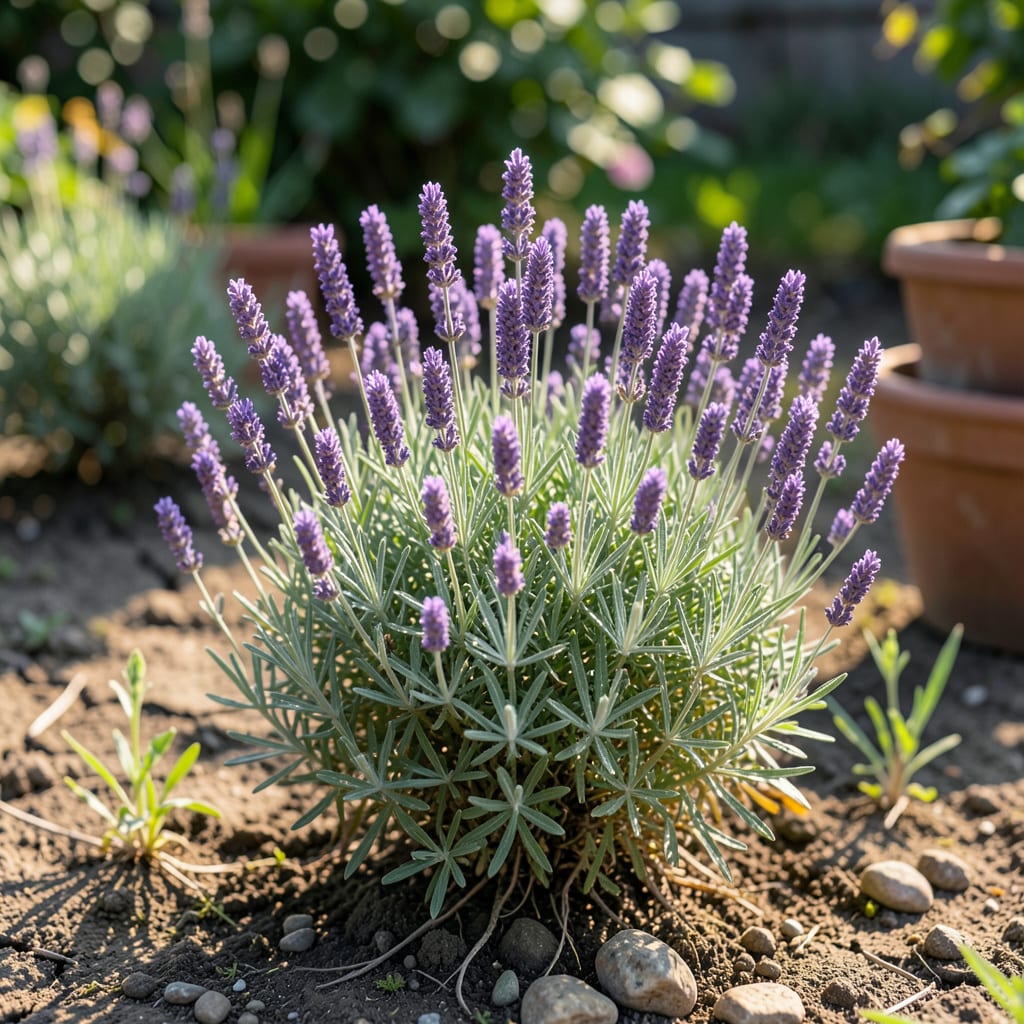
Growing Lavender 💜 successfully requires understanding its light needs. Too little or too much light can affect its growth and flowering.
In USDA Zone 6, Lavender thrives in full sun, needing 6+ hours of direct sunlight daily. I’ll share tips on how to ensure your Lavender gets the right amount of light to flourish.

Lavender plants are known for their beauty and fragrance, but their lighting needs can be confusing for many gardeners. To grow lavender successfully, it’s crucial to understand its light requirements. 🌼
In USDA Zone 6, lavender thrives in full sun, which means it needs 6+ hours of direct sunlight daily. The amount of light lavender receives directly impacts its growth and flowering. 💜
The light level significantly affects lavender’s growth. In full sun, lavender plants produce more flowers and have a healthier appearance. In contrast, insufficient light can lead to leggy growth and fewer blooms. 🌻
Lavender’s native habitat is typically sunny and dry, which is why it thrives in bright light. The right amount of light ensures that the plant grows strong and healthy, with a compact shape and abundant flowering. 🌞
To ensure your lavender gets enough light, consider its placement carefully. Whether you’re growing it in a garden or in a pot, make sure it’s positioned to receive maximum sunlight. For indoor plants, a south-facing window is ideal. 🌟
It’s also important to note that while lavender loves sunlight, excessive heat can sometimes be a problem. In very hot climates, some afternoon shade can be beneficial to prevent scorching. 🔥
Understanding and providing the right light conditions is key to growing healthy and fragrant lavender. By ensuring your plants receive adequate sunlight, you’ll be rewarded with beautiful blooms and a lovely fragrance. 🌸
In summary, lavender needs full sun to thrive, requiring at least 6 hours of direct sunlight daily. Proper light exposure is crucial for its growth, flowering, and overall health. By providing the right light conditions, you can enjoy a flourishing lavender plant. 🌼
For more specific guidance on optimizing light exposure for your lavender plants, including tips on positioning and seasonal adjustments, continue reading the next section. 🔍
To grow lavender successfully, it’s essential to optimize its light exposure. Lavender plants require full sun to thrive, which means they need 6+ hours of direct sunlight daily. 🌞
Proper placement is crucial for maximizing light exposure. When growing lavender in a garden, choose a location that receives direct sunlight for most of the day. For indoor plants, a south-facing window is ideal as it provides the necessary direct sunlight. 🌟
Rotate potted lavender plants every week to ensure even light distribution and prevent uneven growth.
Seasonal adjustments are also important for optimizing light exposure. During summer months, lavender plants can tolerate full sun without issues. However, in extremely hot climates, some afternoon shade can help prevent scorching. 🔥
In winter, when days are shorter and sunlight is weaker, lavender plants may require additional care. If growing indoors, consider moving plants to a brighter location or supplementing with grow lights to maintain adequate light levels. 💡
For outdoor plants, ensure they are not shaded by nearby structures or vegetation. Prune surrounding plants or adjust the placement of your lavender to maximize sunlight exposure. 🌿
By following these tips and ensuring your lavender receives the right amount of light, you’ll be able to enjoy healthy growth and abundant flowering. 🌼
To learn about the consequences of insufficient or excessive light on lavender, including the effects on its health and flowering, continue reading the next section. 🔍
Lavender plants require specific light conditions to thrive. Understanding the consequences of insufficient or excessive light is crucial for maintaining their health and promoting flowering 🌼.
Insufficient light can lead to leggy growth and reduced flowering. Lavender plants need 6+ hours of direct sunlight daily to produce abundant blooms 💜.
Excessive light, on the other hand, can cause scorching in extremely hot climates. Providing some afternoon shade can help prevent this issue 🔥.
To ensure optimal light exposure, consider the placement of your lavender plants carefully. For indoor plants, a south-facing window is ideal. For outdoor plants, choose a location that receives direct sunlight for most of the day 🌞.
Seasonal adjustments may be necessary to optimize light exposure. During winter months, consider supplementing with grow lights if natural light is insufficient 💡.
By understanding the consequences of different light conditions, you can take steps to provide your lavender plants with the right amount of light, ensuring they remain healthy and productive 🌼.
Lavender plants prefer full sun and can tolerate some shade, but too much shade can lead to leggy growth and reduced flowering. For optimal growth, provide at least 6 hours of direct sunlight daily.
While lavender loves sunlight, excessive heat can cause scorching in extremely hot climates. Providing some afternoon shade can help prevent this issue. Monitor your plant’s condition and adjust its placement if necessary.
Rotate potted lavender plants every week to ensure even light distribution and prevent uneven growth. This simple technique promotes healthy growth and abundant flowering.
Yes, you can grow lavender indoors with limited natural light. Consider supplementing with grow lights to maintain adequate light levels, especially during winter months when natural light is weaker.
