
Beautiful Plants For Your Interior
Beautiful Plants For Your Interior
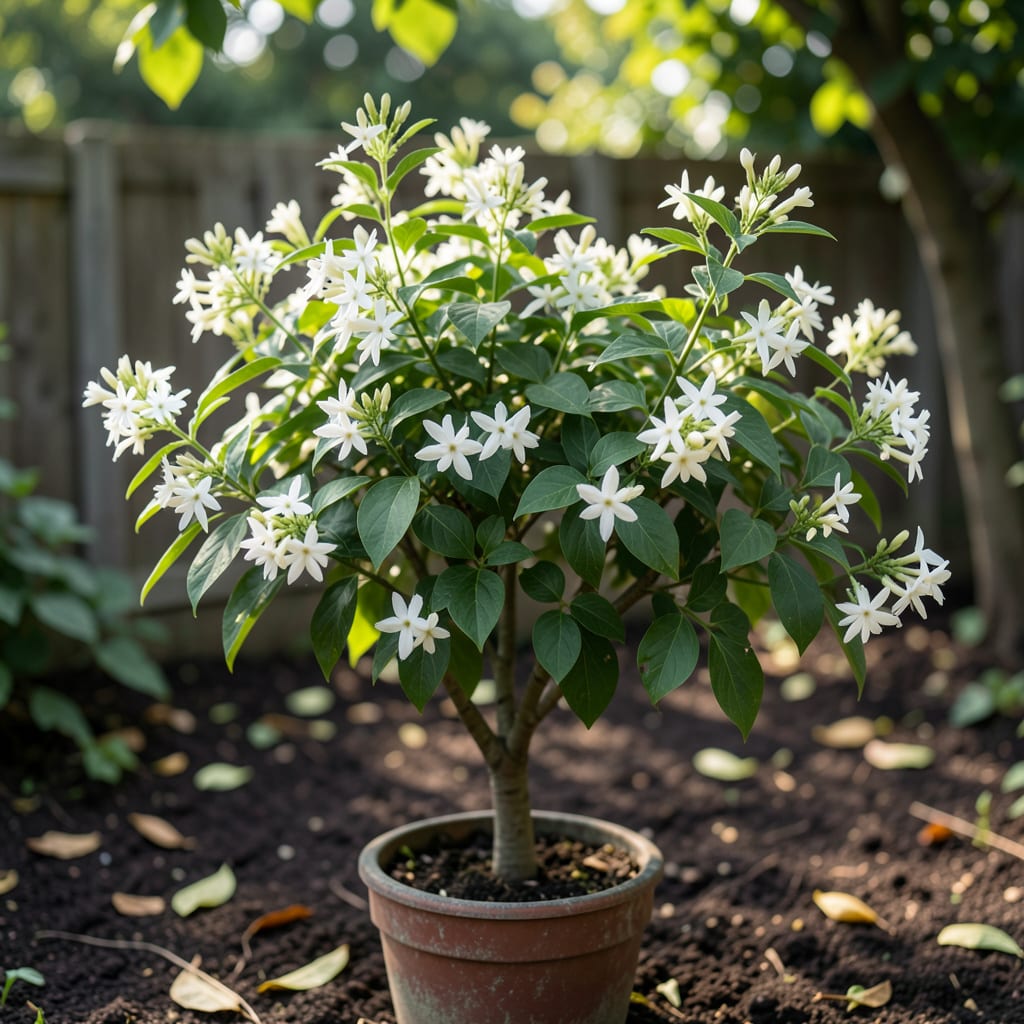
Growing Jasmine 💐 successfully requires understanding its light needs. In USDA Zone 6, these beautiful flowering vines thrive with the right amount of sunlight.
I’ll share the essential light requirements for your Jasmine plant to flourish, including ideal placement and tips for optimal growth during the spring planting season.
 Best Window Placement
Jasmine plants require bright, indirect light to thrive. In their natural habitat, they often grow under the canopy of other plants, receiving filtered sunlight 🌿.
The ideal light condition for jasmine plants is 4-6 hours of indirect sunlight daily. This can be achieved by placing them near an east or west-facing window where they receive gentle, indirect light 💡.
It’s essential to note that jasmine plants can tolerate some direct sunlight, especially during the morning or late afternoon. However, prolonged exposure to direct midday sun can be harmful 🔥.
To ensure optimal growth, jasmine plants should be placed in a location that receives bright, indirect light for most of the day. This can be achieved by using sheer curtains or shades to filter the sunlight 🌞.
In addition to the type of light, the duration of light exposure is also crucial. Jasmine plants require a minimum of 4 hours of bright, indirect light daily to produce plenty of flowers 🌼.
If you’re growing jasmine in a container, you can move it to different locations to adjust the light exposure according to the season. For example, during the summer months, you can move the container to a spot that receives morning sun and afternoon shade 🌻.
In regions with intense sunlight, it’s recommended to provide some shade for jasmine plants during the hottest part of the day. This can be done using shades or by placing the plant under a tree with a loose canopy 🌳.
While jasmine plants prefer bright, indirect light, they can adapt to different light conditions. However, their flowering may be affected by the intensity and duration of light they receive 💐.
To summarize, jasmine plants need 4-6 hours of bright, indirect light daily to thrive. By providing the right light conditions and adjusting for seasonal changes, you can enjoy the beautiful flowers and fragrance of your jasmine plant 🌺.
By understanding and meeting the light requirements of your jasmine plant, you can promote healthy growth and abundant flowering, making it a beautiful addition to your garden or indoor space 🌿.
The amount and type of light jasmine plants receive significantly impacts their growth and flowering. Light intensity and duration play crucial roles in determining the health and productivity of these plants 🌿.
Jasmine plants grown in bright, indirect light tend to produce more flowers and have healthier foliage compared to those in low light conditions. The ideal light setup encourages robust growth and abundant flowering 💐.
Jasmine plants require 4-6 hours of bright, indirect light daily for optimal growth and flowering. Proper light exposure is essential for their overall health and productivity.
Insufficient light can lead to leggy growth and reduced flowering. On the other hand, excessive direct sunlight can cause leaf scorch and damage the plant 🔥.
To optimize light conditions, jasmine plants should be placed near east or west-facing windows where they receive gentle, indirect light. Using sheer curtains or shades can help filter intense sunlight and prevent damage 🌞.
The duration of light exposure is also critical. Jasmine plants need a minimum of 4 hours of bright, indirect light daily to produce plenty of flowers. Adjusting the plant’s position according to the season can help maintain optimal light conditions 🌻.
In summary, providing the right amount and type of light is crucial for the healthy growth and flowering of jasmine plants. By understanding their light requirements, you can create an optimal environment for your jasmine to thrive 💐.
By following these guidelines and adjusting for seasonal changes, you can enjoy the beautiful flowers and fragrance of your jasmine plant throughout the growing season 🌺.
To ensure your jasmine plant thrives, it’s essential to provide the right amount and type of light 🌿. I recommend placing your jasmine near an east or west-facing window where it can receive 4-6 hours of bright, indirect light daily.
Use sheer curtains or shades to filter intense sunlight and prevent leaf scorch. Adjust your jasmine’s position seasonally to maintain optimal light conditions 🌞.
If you’re growing jasmine in a container, you can move it to different locations to adjust the light exposure according to the season 🌻. During summer months, place the container in a spot that receives morning sun and afternoon shade.
In regions with intense sunlight, consider providing some shade for your jasmine during the hottest part of the day. You can use shades or place the plant under a tree with a loose canopy 🌳.
While jasmine plants prefer bright, indirect light, they can adapt to different light conditions. However, their flowering may be affected by the intensity and duration of light they receive 💐.
To summarize, providing the right light conditions is crucial for the healthy growth and flowering of jasmine plants. By following these tips and adjusting for seasonal changes, you can enjoy your jasmine’s beautiful flowers and fragrance 🌺.
By understanding and meeting your jasmine plant’s light requirements, you can promote healthy growth and abundant flowering, making it a beautiful addition to your garden or indoor space 🌿.
Jasmine plants thrive best near east or west-facing windows where they receive 4-6 hours of bright, indirect light daily. This direction provides gentle morning or afternoon sun that’s perfect for their growth .
Jasmine plants can tolerate some direct sunlight, especially during morning or late afternoon. However, prolonged exposure to direct midday sun can cause leaf scorch and damage .
For container-grown jasmine, adjust its position seasonally. During summer months, place it in a spot with morning sun and afternoon shade to prevent overheating .
Insufficient light can lead to leggy growth and reduced flowering. Jasmine needs a minimum of 4 hours of bright, indirect light daily to produce plenty of flowers .
